
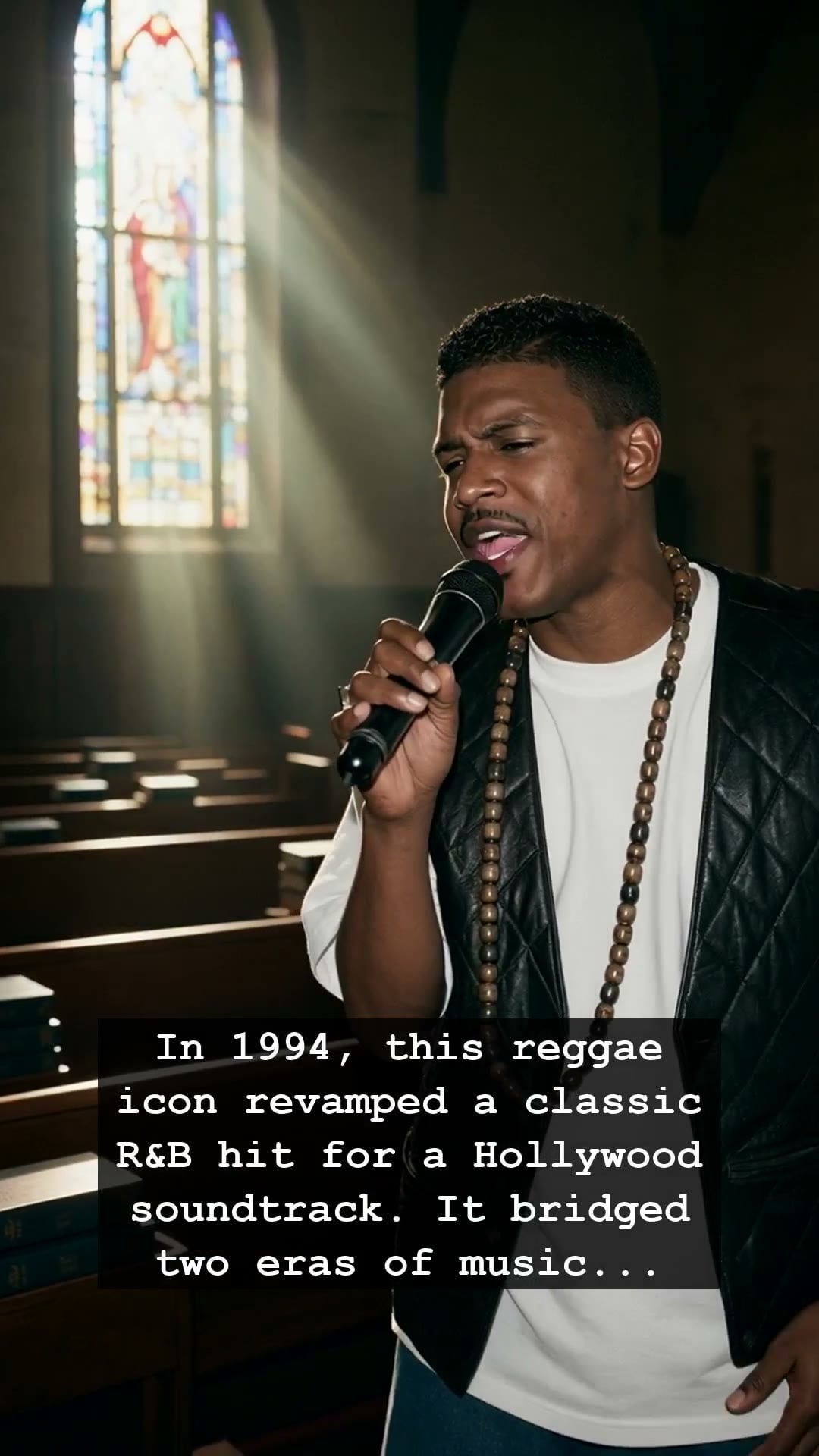
It was 1994, an era defined by the visual revolution of MTV and the fading echoes of the synth-pop explosion. While the world was busy discovering the gritty textures of early alternative rock, a seismic shift in music history arrived from an unlikely source. The man at the center of this storm was Super Cat, a reggae and dancehall titan whose raspy, commanding vocals carried the heat of Jamaica directly into the polished, high-budget studios of Hollywood. When he decided to overhaul a classic 1960s New Orleans R&B hit, he didn’t just record a cover; he bridged two distinct musical universes and left an indelible mark on the charts.
The song in question was a bold reimagining, a heavy-hitting dancehall remix that felt like a bolt of lightning hitting the airwaves. Super Cat brought a raw, street-level authenticity to a nostalgic melody, effectively introducing the dancehall movement to a massive, mainstream American audience that had previously only associated the genre with island beaches. It was a risky gamble, yet as soon as the remix began spinning, it was clear that the vibrant pulse of reggae could stand toe-to-toe with the glossy production standards of the mid-nineties. The tension between the soulful, vintage backbone of the original track and the aggressive, syncopated rhythm of Super Cat’s performance created a friction that was impossible to ignore.
Behind the scenes, this moment was far more than a simple soundtrack inclusion; it was a cultural collision. Super Cat was a force of nature, known for his ability to weave complex lyrical narratives over deep, booming basslines. In a year dominated by the rise of the Walkman and the ubiquity of music videos, seeing Super Cat on MTV felt like a glimpse into a wider, more inclusive musical future. This remix wasn’t just a gimmick to sell a movie ticket; it was a testament to the versatility of classic soul and the undeniable magnetism of a performer who refused to be boxed into a single genre. The drama of the era often focused on manufactured pop rivalries, but in the studio, Super Cat was busy expanding the sonic landscape.
This crossover resonated because it touched on a deep, universal truth about music history: the best songs are never truly finished. By pulling a forgotten gem from the golden age of R&B and infusing it with the rebellious energy of 1990s dancehall, Super Cat proved that quality transcends decades. It was a bridge built for listeners who missed the warmth of the sixties but craved the urgency of modern beats. For those of us who spent our weekends glued to the TV, waiting for our favorite tracks to loop on countdown shows, this performance remains a hallmark of a transitional time.
Today, we look back at this 1994 moment as a pivotal spark in the globalization of Caribbean sounds. Super Cat didn’t just perform a song; he commanded a cultural exchange that paved the way for the dancehall-influenced pop hits that rule our airwaves today. Whether you were hearing that unmistakable rhythm in a smoky club or through the speakers of your living room, the impact was visceral. It reminds us that music is a living, breathing entity, always shifting, always colliding, and always waiting for an icon to come along and give it new life. Do you remember the first time you heard that remix and felt the floor shake?