
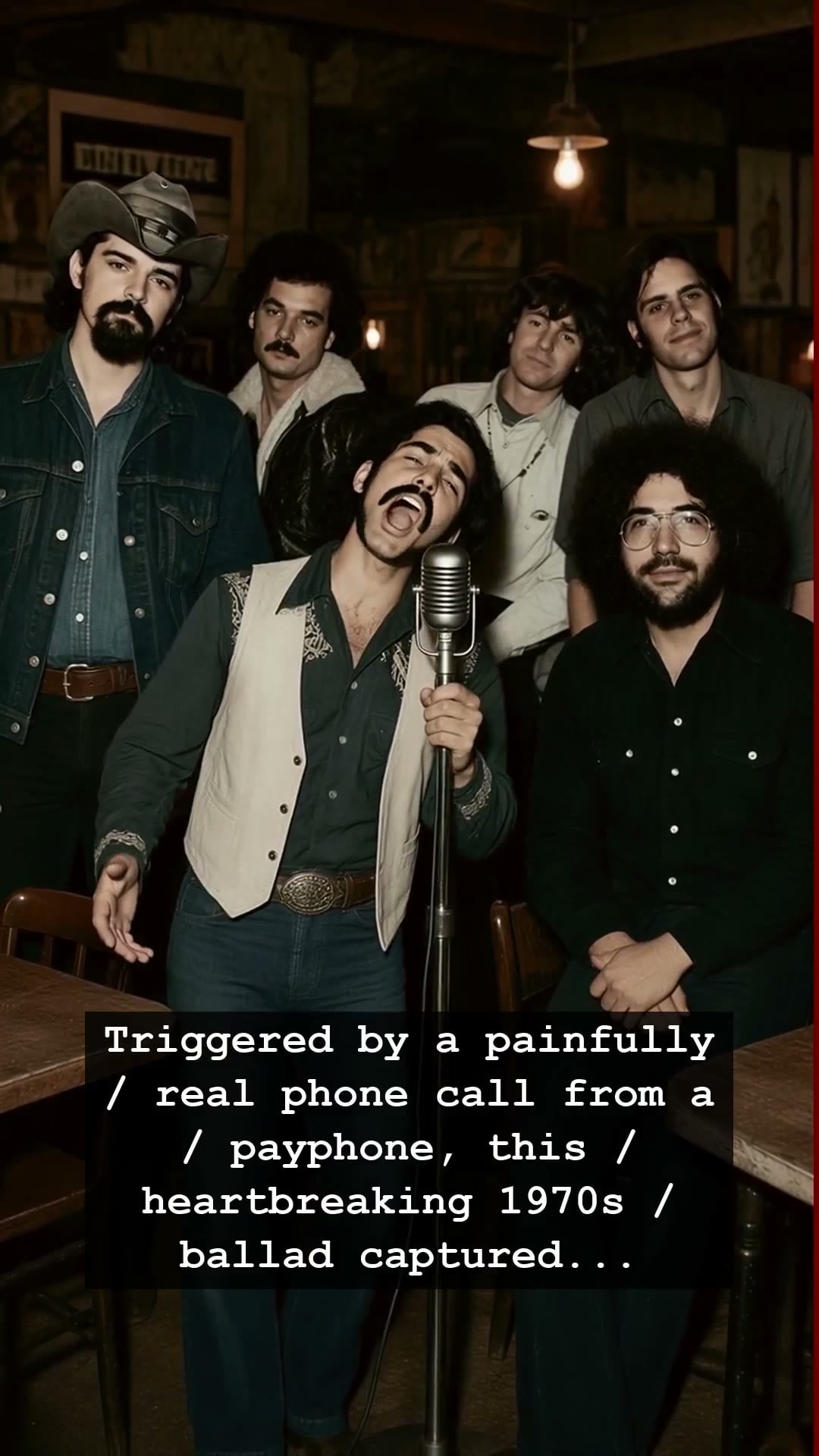
It was 1972, and for millions, life was measured in the rhythmic clicks of a payphone and the crackle of AM radio. Ray Sawyer, the iconic eye-patched frontman of Dr. Hook and the Medicine Show, understood the specific, agonizing geometry of heartbreak better than anyone. Before the era of digital privacy and instant messaging, the trauma of a lost love wasn’t a text notification; it was a desperate, quarter-draining conversation in a public booth. That is exactly where the legend of the hit ballad Sylvia’s Mother was born, capturing a moment of pure, unadulterated human devastation that still cuts deep today.
The song was not just a hit; it was a visceral diary entry set to music. Ray Sawyer and his bandmates delivered a performance so raw that listeners felt like voyeurs, eavesdropping on a conversation that was never meant for the public. The lyrics detail a man calling his former lover, only to be blocked by an uncompromising, cold-hearted mother. As the operator counts down the minutes on the payphone, the tension rises, reflecting the frantic, helpless desperation of a man watching his last chance at reconciliation slip away into the wires. It was the ultimate tragedy of the seventies, a decade defined by both the glitz of disco and these intimate, acoustic-driven moments of despair.
What many listeners didn’t realize at the time was that the song was rooted in the real-life struggles of songwriter Shel Silverstein, who gave the track to Ray Sawyer to bring to life. Ray Sawyer, with his unmistakable voice and magnetic stage presence, transformed that phone call into an anthem for the heartbroken. His delivery was never polished or overly produced; it was rugged, weary, and startlingly authentic. When you listen to it now, you can almost hear the hum of the busy street outside the booth and the cold, clicking sound of the operator signaling the end of the line. It captures a lost time when communication was tangible and silence was the cruelest ending possible.
Looking back at the music of that era, from the smoky lounges where Dr. Hook performed to the living rooms where families huddled around the stereo, the impact of the song is undeniable. It reminds us of a time when pop music had the courage to be painfully vulnerable. Ray Sawyer became a cult icon not just for his appearance, but for his ability to embody these flawed, desperate characters who were struggling to find their place in a changing world. It remains a masterclass in storytelling, proving that a single, devastating phone call can resonate across decades.
Does the sound of a telephone ringing still make you pause, wondering if you missed a chance to say what truly mattered? Even in our modern, hyper-connected world, the agony captured by Ray Sawyer in this classic ballad remains timeless. It serves as a haunting reminder of the fragility of love and the endurance of a well-told story. If you find yourself yearning for the unfiltered emotion of the seventies, take a moment to listen to the song again. It is a haunting, beautiful bridge to a past that never really leaves us.