
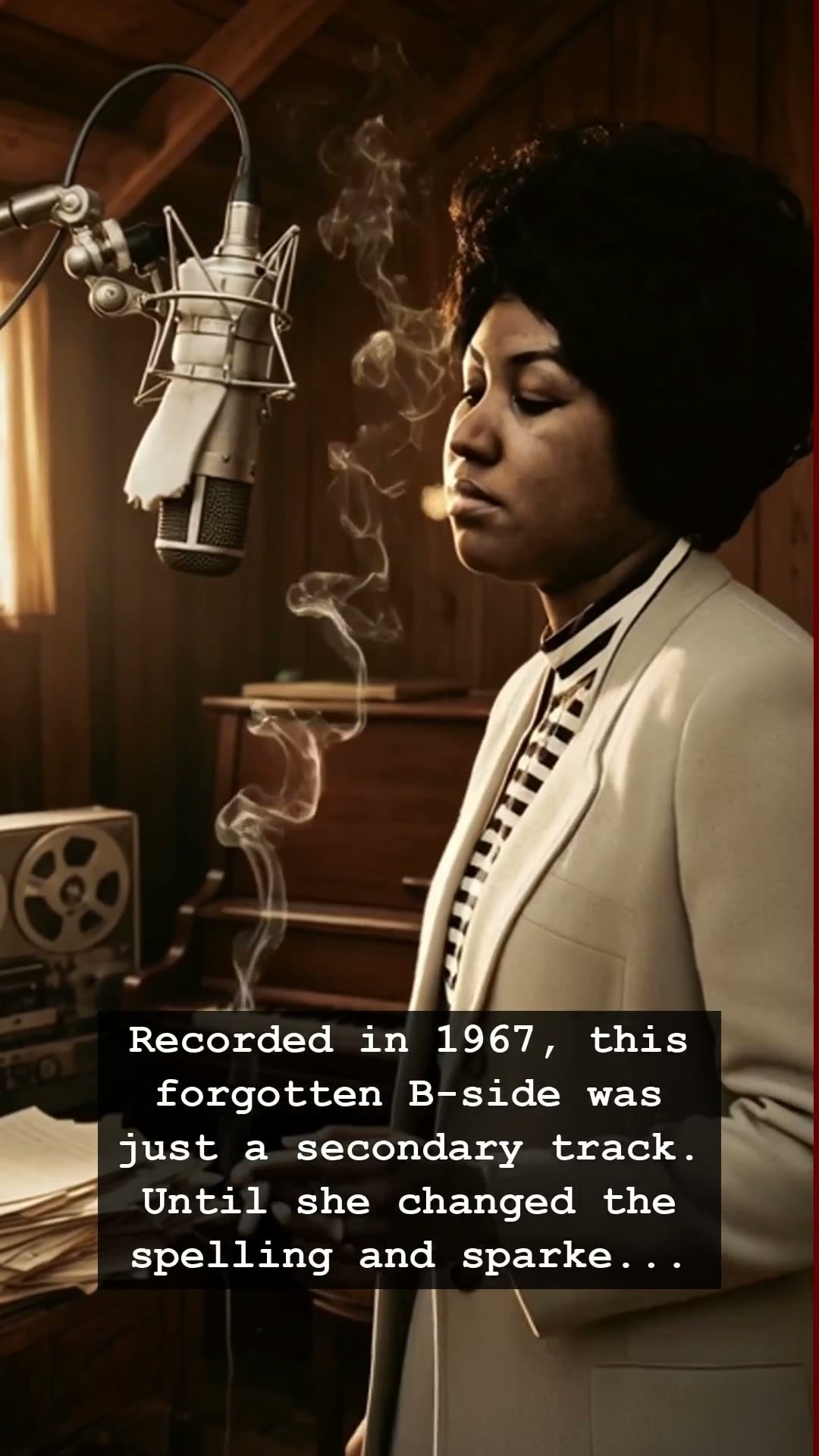
Imagine a humid summer night in 1967. The air is thick with the scent of vinyl records and the restless energy of a nation on the brink of cultural upheaval. In a dimly lit recording studio, Aretha Franklin is poised before the microphone, ready to transform a song that had been gathering dust as a mere B-side. Otis Redding had written Respect, but when the Queen of Soul stepped into the booth, she didn’t just sing the words; she weaponized them. With a few structural tweaks and a bold, iconic spelling change, she reclaimed the narrative, turning a man’s plea into an unstoppable, earth-shattering demand for dignity that would echo through the decades.
At the time, the airwaves were dominated by the polished sounds of the Motown machine and the burgeoning rebellion of the counterculture. Yet, Aretha Franklin possessed a voice that cut through the noise with the raw, guttural intensity of the gospel church. When she added that fierce R-E-S-P-E-C-T, she wasn’t just spelling out a word; she was creating a manifesto. This wasn’t the polite, passive music of the early sixties. This was the sound of a woman asserting her place in a world that consistently tried to overlook her. The shift was seismic, turning a forgotten track into the definitive anthem of the civil rights and feminist movements.
Behind the scenes, the atmosphere was electric and deeply personal. Aretha Franklin brought a lived-in experience to the lyrics that Otis Redding simply could not touch. While Redding’s version was about a man wanting his wife to acknowledge his work, Aretha flipped the script entirely, framing it as the collective voice of every marginalized soul yearning for recognition. She took the song from the jukeboxes of local diners and placed it on the pedestal of history. It was a moment of sheer artistic alchemy, where the pressure of the era met the brilliance of a generational talent, resulting in a timeless masterpiece that defined the late sixties.
As the golden age of soul transitioned into the gritty, experimental sounds of the seventies, this song remained a constant, flickering beacon of empowerment. It was played on portable transistors and heavy floor-standing speakers alike, finding a home in the hearts of those walking through the smoky haze of the era. The genius of Aretha Franklin lay in her ability to bridge the gap between the sacred and the profane, between the intimate struggles of the home and the wide-reaching battle for human rights. She didn’t just record a hit; she crafted a permanent cultural artifact.
Even now, decades after the vinyl stopped spinning in those legendary studio sessions, the legacy of Aretha Franklin endures. Whenever those opening chords strike, there is an immediate, visceral recognition—a reminder of a time when music could truly change the world. It is a testament to her power that a simple B-side could become the loudest cry for equality in American history. As you listen today, remember that the Queen didn’t just ask for respect; she taught the entire world how to spell it.