
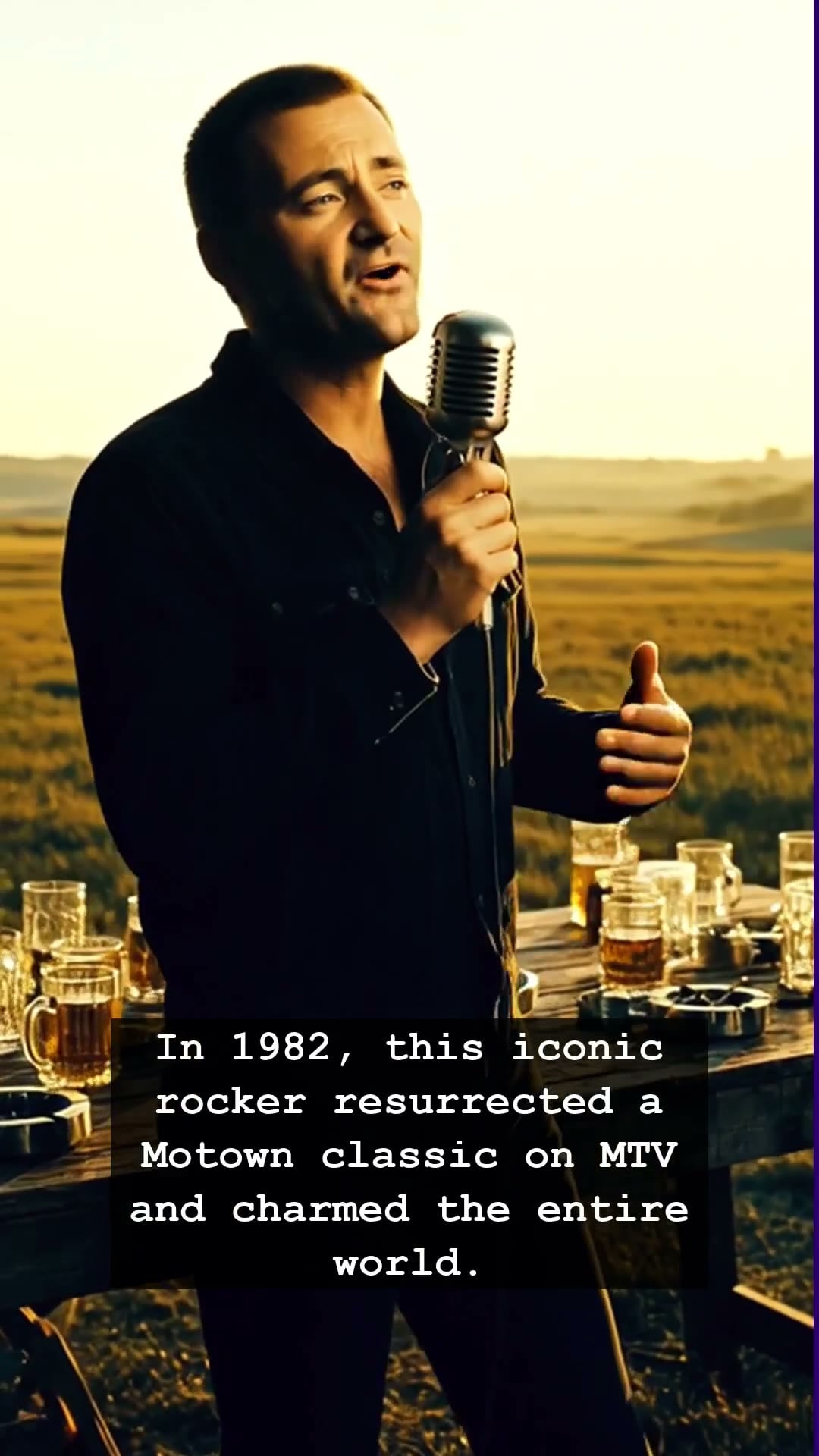
It was 1982, a year defined by the neon glow of the nascent MTV era and the clunky, revolutionary weight of the portable Walkman. While the airwaves were crowded with synthesized pop and stadium anthems, a singular, unlikely figure decided to reach back into the archives of soul music. Phil Collins, the powerhouse drummer and burgeoning frontman of Genesis, stepped into a spotlight that would redefine his career. He did not opt for the arena rock bravado of his contemporaries; instead, he donned a crisp, retro-inspired suit and breathed new life into the Supremes classic You Can’t Hurry Love, delivering a performance that felt like a bridge between the polished sheen of the eighties and the soulful honesty of the mid-sixties Motown sound.
At the time, Phil Collins was navigating a tumultuous transition in his personal life, using the studio as a sanctuary from the heartbreak that would eventually fuel his most poignant lyrics. Behind the scenes, the music industry was obsessed with cutting-edge production, yet Phil Collins found comfort in the simplicity of a beat that had defined an entire generation. By choosing a Motown staple, he wasn’t just paying homage; he was challenging the status quo of pop radio. When the music video hit the small screen, it wasn’t just another clip; it was a masterclass in charm, featuring the iconic rocker dancing with a playful, disarming ease that stood in stark contrast to the brooding personas dominating the charts.
This wasn’t merely a successful cover; it was a cultural pivot point. As Phil Collins twirled his way through the song, he transformed from a serious percussionist into a bona fide global pop star. The success of this track served as a defiant reminder that great music transcends temporal boundaries. While critics were busy debating the merits of the emerging synth-pop landscape, Phil Collins proved that the raw, infectious energy of a classic melody could still conquer the world. It was a rare moment of levity during a decade often marked by excessive vanity and cold technological shifts.
Looking back, the legacy of this 1982 moment remains deeply tied to the nostalgia of the era. It speaks to a time when artists were beginning to fully grasp the visual power of the music video, utilizing it not just for spectacle, but to project character and vulnerability. Phil Collins turned that charm into a career-defining asset, proving that the man behind the drum kit possessed an undeniable magnetism that resonated far beyond the stage of a concert hall. He took a piece of history and turned it into the defining soundtrack of our collective memory.
Even now, when we hear that familiar, bouncy bassline, we are transported back to the days of living rooms lit by the flicker of early music television. The brilliance of Phil Collins during this period wasn’t just his technical skill, but his uncanny ability to make us feel connected to a history that felt both distant and incredibly present. As we look back at the milestones of the eighties, his whimsical, soulful venture stands out as a genuine, heartwarming tribute. Perhaps it is time to press play, turn up the volume, and let the echoes of that Motown magic take you back once more.