
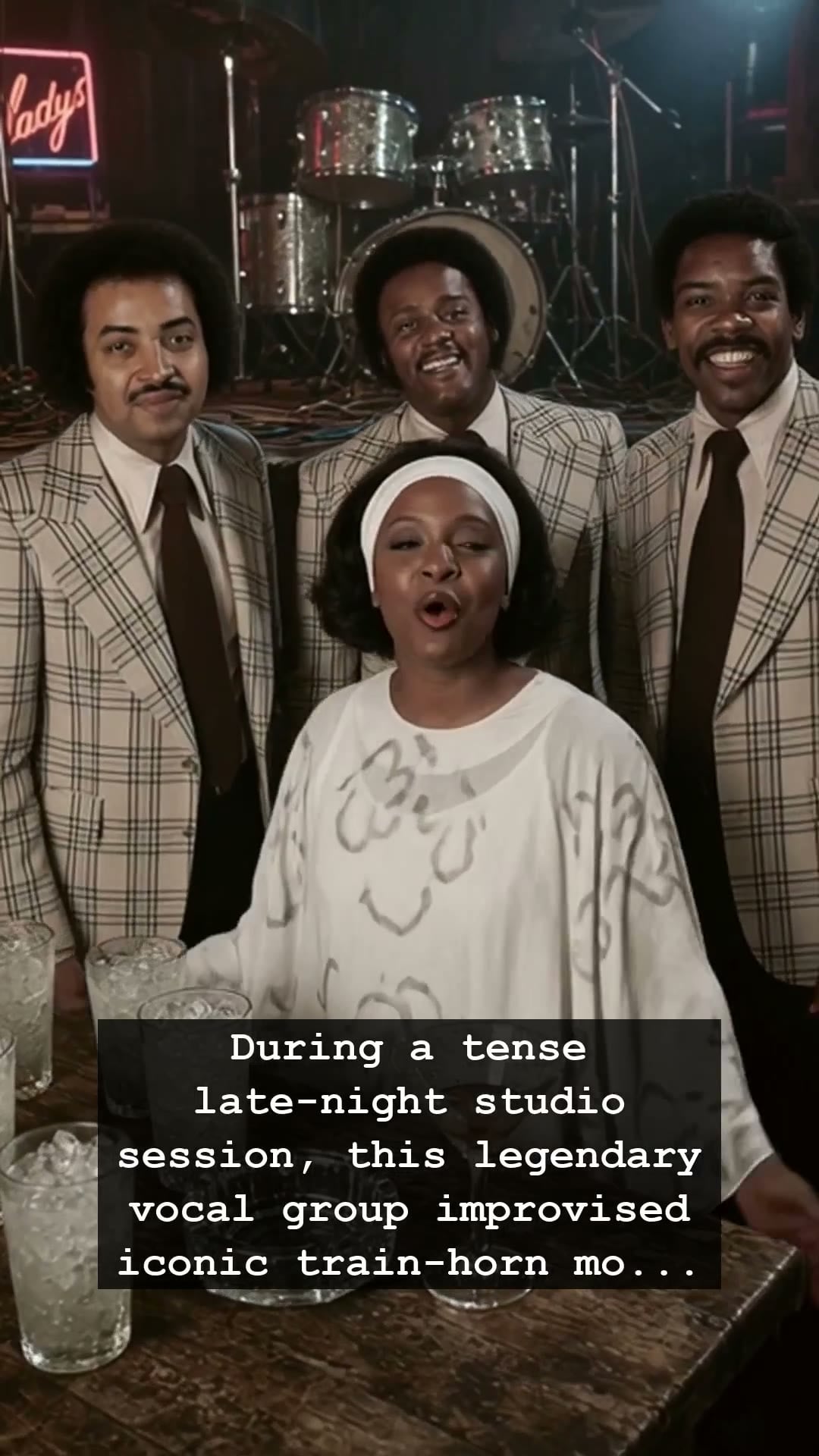
It was long past midnight in the dimly lit corners of a smoke-filled studio, the air thick with the smell of cheap coffee and the palpable tension of creative exhaustion. The year was 1973, and Gladys Knight and the Pips were wrestling with a track that felt like it was missing its soul. For hours, they had been chasing perfection, but the energy remained static. Then, something inexplicable happened. In a moment of pure, unscripted spontaneity, the group began to move. It was not a choreographed routine; it was a rhythmic, collective impulse. As they belted out the harmonies for Midnight Train to Georgia, the Pips began mimicking the mechanical chug of a locomotive with their arms and bodies, their voices locking into a syncopated, driving force that hit the producer like a lightning strike. It was an accidental birth of an icon, a moment of raw human electricity that changed the trajectory of American soul forever.
To understand the magic of Gladys Knight and the Pips, one must look at the landscape of the early 1970s. This was an era defined by the rise of the Motown sound, the dominance of the Jukebox in every corner bar, and a cultural shift where soul music was transitioning from simple radio hits to deep, storytelling masterpieces. Gladys Knight, often called the Empress of Soul, possessed a voice that could crack a heart wide open, but it was the synergy with the Pips—her brother Merald and cousins William and Edward—that created a unique vocal alchemy. They were more than just backup singers; they were a precision-tooled unit of harmony and rhythm that transformed every session into a theatrical performance.
That night, the studio floor became a stage. The producer had expected a standard take, but the band delivered a cinematic experience. By incorporating those spontaneous train-horn arm motions and the rhythmic vocal textures that echoed the relentless hum of a midnight locomotive, they captured the loneliness and the desperation of the song’s lyrics in a way that defied explanation. It was a gamble of creative intuition, a flicker of lightning in a bottle. As the final notes faded, the silence in the room was deafening; everyone realized they had just captured a piece of history that would transcend the airwaves of their time.
Decades later, the resonance of Gladys Knight and the Pips remains untouched by the passage of time. In an age of digital perfection and over-produced tracks, the humanity found in those early, gritty recordings serves as a reminder of what music used to be. It was about the sweat, the late nights, and the risks taken in the pursuit of something real. When we listen to that classic track today, we are not just hearing a song; we are listening to a specific moment of midnight creative genius that defines the golden age of American soul.
Do you recall where you were the first time that chorus pulled you in? Whether you were dancing in a living room, driving down a long highway, or hearing it hum through the static of a car radio, that sound carries the weight of a bygone era. Gladys Knight and the Pips didn’t just record a song that night; they etched a permanent memory into our collective consciousness, proving that sometimes, the greatest art happens when you stop trying to be perfect and start being human.