
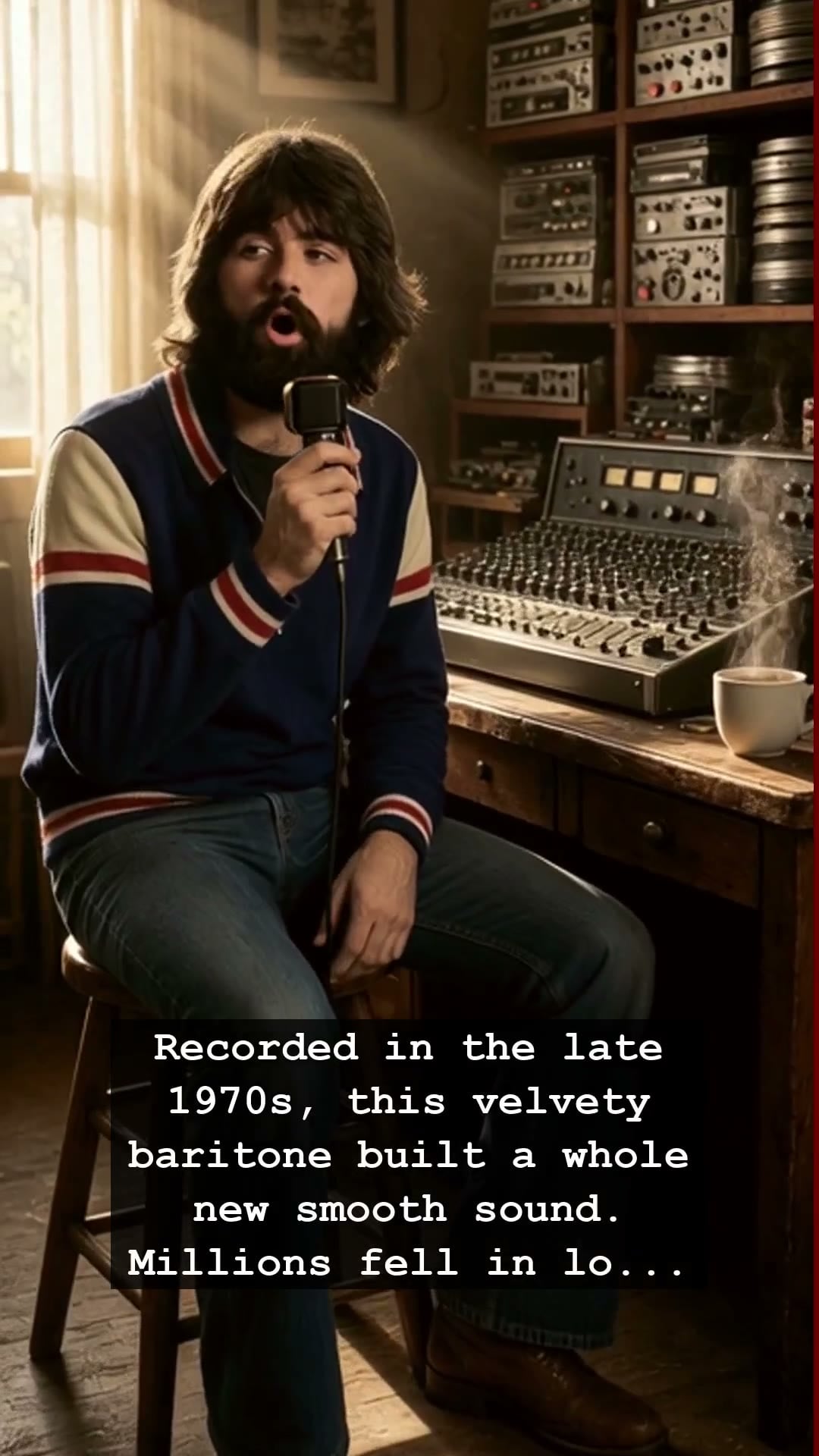
It was the late 1970s, a time when the FM airwaves were dominated by the heavy, distorted riffs of arena rock, yet something subtle and seismic was brewing in the sun-drenched studios of Los Angeles. A young, bearded session player walked into a recording room, sat down at a Rhodes piano, and with a single, soulful phrase, changed the trajectory of pop history. That voice belonged to Michael McDonald, a baritone so thick and velvety that it seemed to drape over the listener like a warm California breeze. Millions of people fell in love with this sound, though many didn’t even know the name of the man behind the keys.
Before he became the architect of the sophisticated yacht rock aesthetic, Michael McDonald was a journeyman musician navigating the volatile landscape of the music industry. His tenure with the Doobie Brothers marked a pivotal turning point that sent shockwaves through the band’s original fan base. Critics were baffled; executives didn’t know how to label this hybrid of blue-eyed soul, jazz-inflected chords, and rock instrumentation. Yet, as the decade transitioned into the neon-soaked era of the early 1980s, that distinctive, growling vocal style became the definitive sonic texture of the time. It was the sound of sunset drives and high-end studio precision, bridging the gap between gritty rhythm and blues and polished pop perfection.
Behind the smooth harmonies lay a grueling life of touring and the suffocating pressure of being an accidental icon. Michael McDonald brought a level of technical mastery that few peers could match, infusing every track with complex, gospel-tinged harmonies that became his signature. The magic was in the tension between his raw, earthy vocal delivery and the pristine, clinical production values of the late seventies. It was an era where the Jukebox was still king in local diners, and his voice was the constant, comforting background noise to a generation coming of age amidst economic uncertainty and cultural transition.
There was a certain mystery to the way Michael McDonald operated. He was never the typical flamboyant rock star; he was the humble craftsman who happened to be everywhere at once. Whether he was lending his vocal prowess to Steely Dan or crafting massive hits that would dominate the charts for years, he remained a figure of quiet intensity. This authenticity is precisely why his music resonates today. When we hear those distinct, rich keyboard chords today, it acts as an immediate time machine, transporting us back to a world of analog tapes, high-fidelity sound, and the genuine pursuit of artistic soul.
The legacy of Michael McDonald remains etched in the collective consciousness of those who lived through the era. He proved that you didn’t need to fit into a pre-defined genre box to capture the hearts of millions. His career serves as a poignant reminder that even in the music business, where drama and conflict often dominate the headlines, pure musicality and a unique, unmistakable voice can endure long after the trends have faded into history. Do you still remember that velvet sound when it hits the airwaves?