
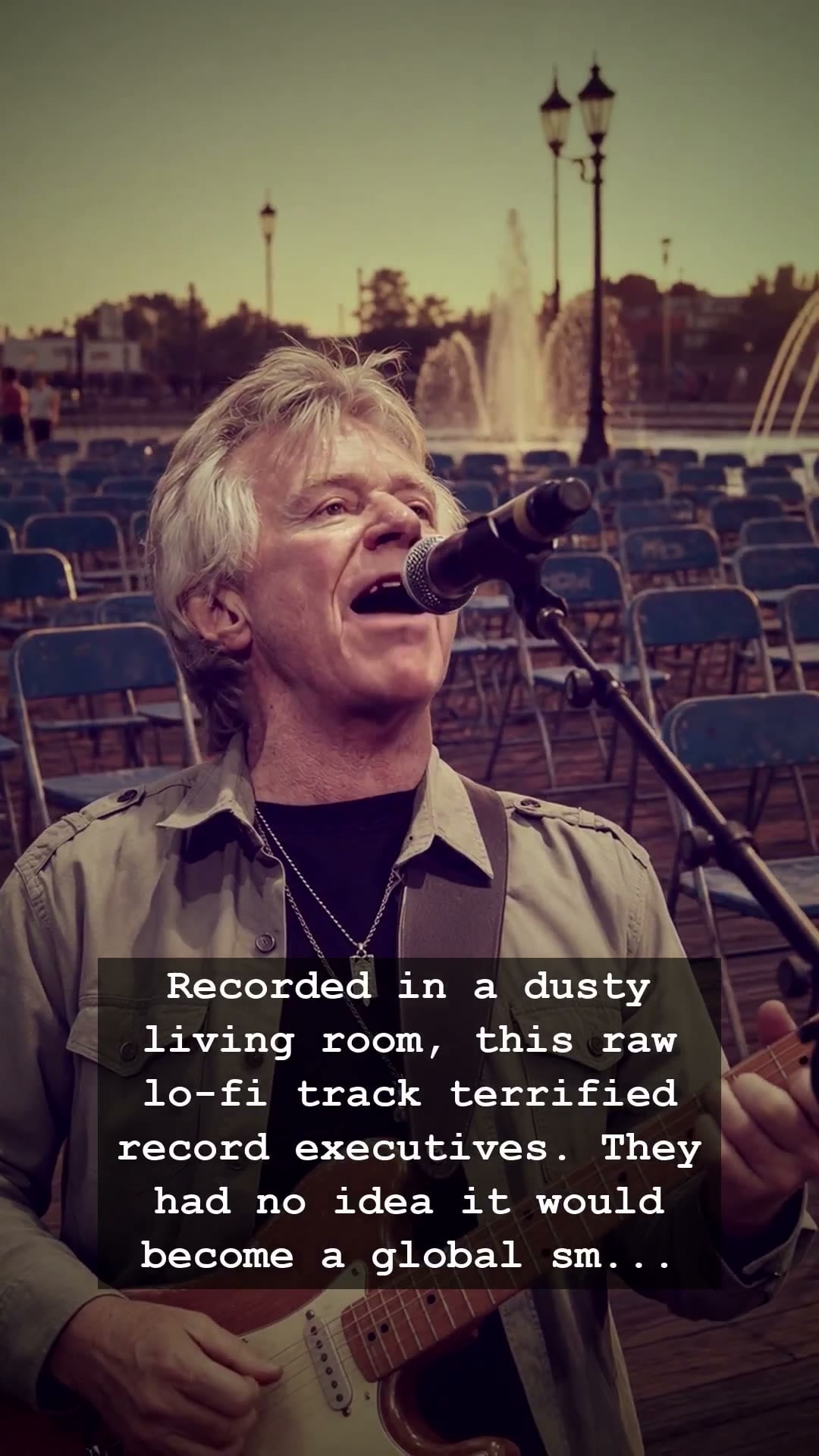
In the polished, ego-driven music industry of 1970, perfection was the currency of the realm. Studio executives were obsessed with pristine multi-track recordings and the shimmering clarity of expensive microphones. Into this controlled environment stumbled Dave Edmunds with a recording so raw, so unrefined, and so incredibly lo-fi that it sent shockwaves of genuine terror through the mahogany-paneled boardrooms of London. This was not the sleek production listeners expected; it was the visceral, unfiltered sound of a man creating art in a dusty living room with nothing but his instincts and a primitive home setup.
Dave Edmunds had always been an outlier, a sonic architect who preferred the grit of rockabilly and the punch of early rock and roll over the bloated progressive trends of the era. When he began recording what would eventually become the global smash hit I Hear You Knocking, the industry insiders were convinced it was a disaster. To them, the lack of professional studio gloss sounded like a mistake, a low-budget failure that would never find a place on the radio or in the iconic jukeboxes that defined the decade. They didn’t understand the magnetic power of his minimalism.
Yet, the public heard something that the suits had completely missed: the soul of the music. Dave Edmunds captured a lightning-in-a-bottle energy that felt dangerous and immediate. By stripping away the layers of over-production, he laid bare the beating heart of a song that simply refused to be ignored. When the track finally hit the airwaves, the skepticism of the record executives evaporated, replaced by the sheer, undeniable reality of a chart-topping masterpiece that resonated with millions of people living their lives in the haze of the post-sixties transition.
This moment in music history serves as a poignant reminder of the tension between commercial polish and creative integrity. Dave Edmunds proved that a great song does not require a million-dollar studio or a battalion of sound engineers. It only requires a singular vision and the courage to ignore the conventional wisdom of the day. For those of us who grew up with the crackle of vinyl and the hiss of tape, this story represents the beauty of the unexpected, a time when a dusty living room could serve as the birthplace of a cultural phenomenon that would outlast the very executives who feared it.
Decades later, the legacy of Dave Edmunds remains as potent as it was in 1970. His ability to craft something so primal and infectious reminds us that the best music often comes from the most unlikely places. Whether you are listening on a vintage stereo or through modern speakers, the raw truth of that original recording still cuts through the noise. It stands as a testament to the fact that when music is authentic, it never truly fades away, inviting us all to revisit the golden, grit-filled days of our musical past.