
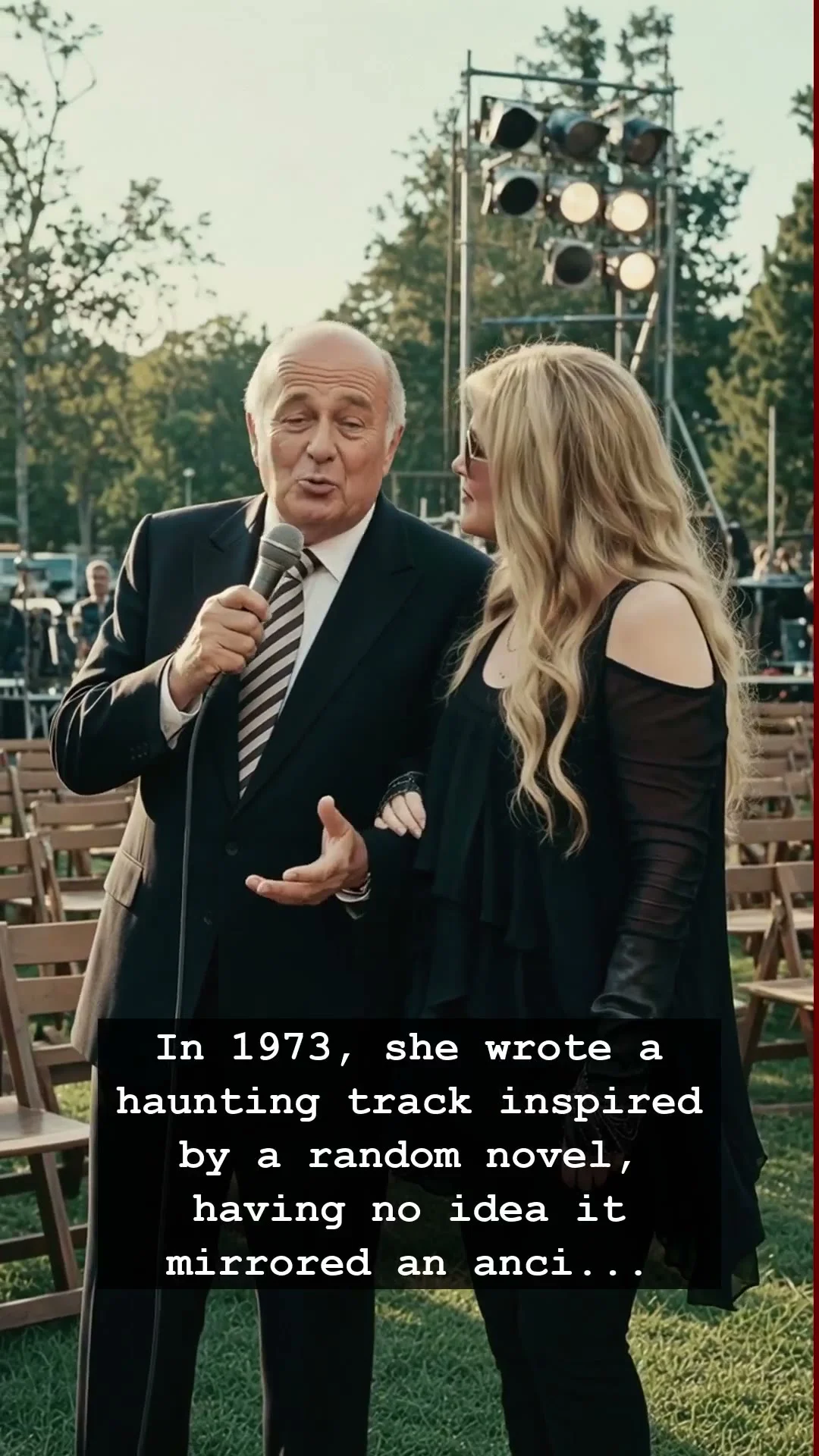
It was 1973, a time when the AM radio airwaves were shifting from the sugary melodies of the sixties toward a more mystical, guitar-driven sound. Amidst the haze of the California music scene, a young, ethereal singer named Stevie Nicks was struggling to find her footing. One night, while leafing through a dusty novel she had picked up at random, she stumbled upon a name that would change the trajectory of American rock forever: Rhiannon. She didn’t know it then, but she had just conjured a song that functioned more like a spell than a pop hit, inadvertently tapping into an ancient Welsh legend that had survived for centuries.
Stevie Nicks, with her signature top hat and chiffon scarves, was never just a vocalist; she was a conduit for something raw and otherworldly. As she penned the haunting lyrics to Rhiannon, she believed she was merely writing about a fictional woman caught between the mundane world and a life of flight. It wasn’t until much later that she learned the true identity of her subject: a mythical goddess from the Mabinogion, a figure associated with the moon, birds, and an inescapable, tragic fate. This unintended synchronization of ancient myth and seventies soft rock turned the track into an anthem for a generation searching for something deeper than the disco fever of the era.
When Fleetwood Mac finally unleashed the song on the world in 1975, the sound hit like a desert storm. The driving, circular guitar riff combined with the hypnotic, raspy delivery of Stevie Nicks transformed the track into a staple of arena rock. At the time, the band was a fragile collective of broken hearts and volatile chemistry. The studio was a pressure cooker of professional brilliance and personal collapse, yet from that turmoil emerged one of the most recognizable voices in music history. It was the era of the Walkman and the communal experience of the FM radio, where a song like this could turn a living room into a dark, candlelit sanctuary.
Looking back, it is impossible to separate the woman from the myth. Stevie Nicks became the physical embodiment of the mysterious figure she had accidentally summoned. The song performed on stages across America, from the sweaty clubs to the sprawling stadiums, became a ritualistic experience. Audiences weren’t just listening to a hit record; they were witnessing a woman casting a spell, her presence flickering like a flame in the dark, reminding listeners of the thin line between reality and the folklore of the past.
Decades later, the allure of the song remains unshaken. It serves as a reminder of a time when rock music held a sense of wonder and the unknown. Today, when that opening chord strikes, we are transported back to that 1973 spark of inspiration, long before the fame, the excess, and the legends were cemented. Stevie Nicks did more than write a song; she tapped into the collective unconscious of a generation. If you close your eyes and listen closely, you can still hear the wings of that ancient bird beating, even after all these years.