
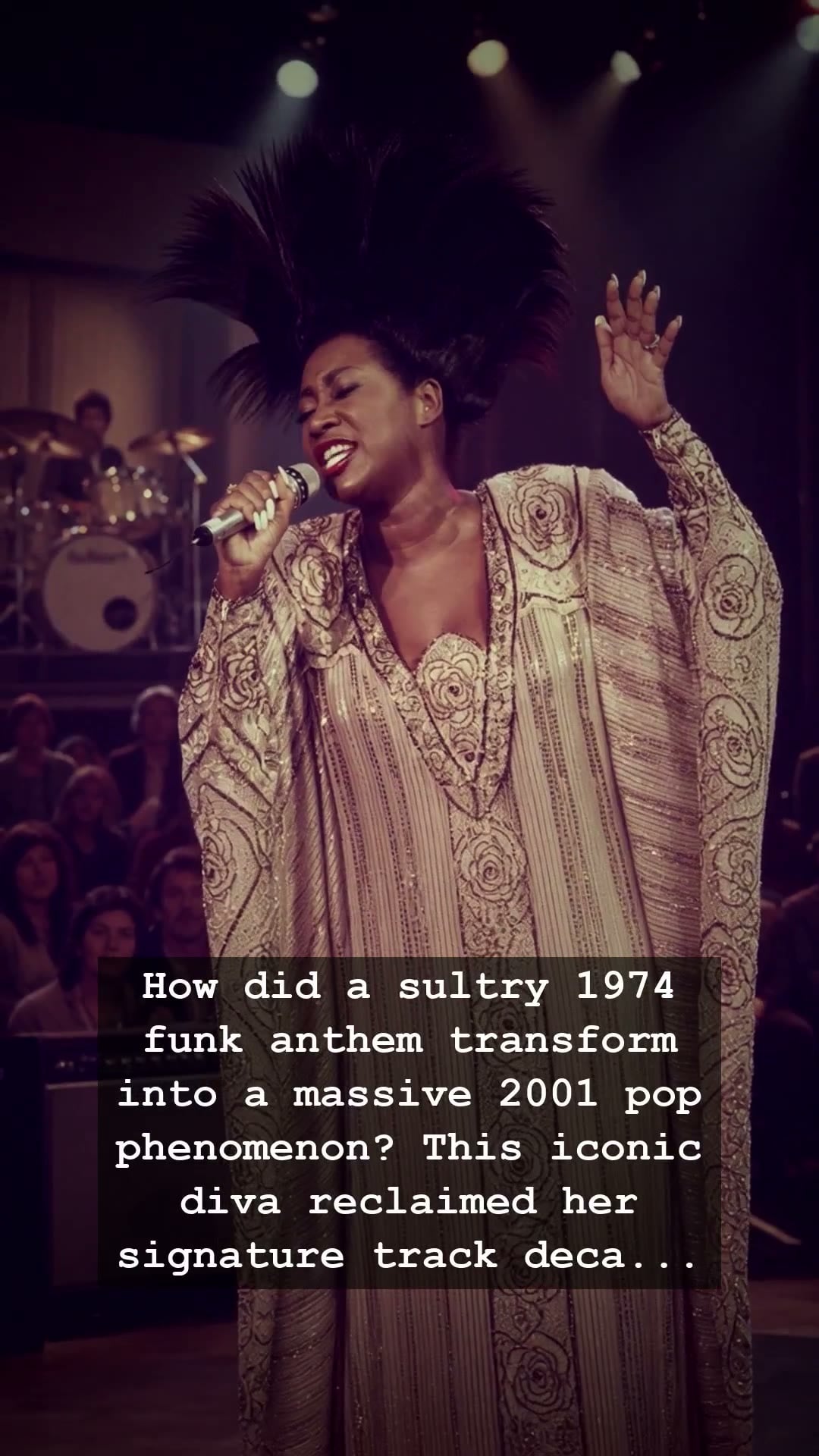
The year was 1974, and the airwaves were dominated by the smoky, suggestive allure of funk. Amidst the rise of iconic venues like Studio 54, a song emerged that would forever change the trajectory of rhythm and blues. That song was Lady Marmalade, a sultry, unapologetic anthem about a Parisian streetwalker that sent shockwaves through the airwaves. At the center of this cultural firestorm was the incomparable Patti LaBelle, whose powerful, raw vocals gave the track its signature grit and soul. For many, this record is frozen in the amber of the seventies, a time when jukeboxes were the heartbeat of every neighborhood and the disco fever was just beginning to burn bright.
Patti LaBelle was never just a singer; she was a force of nature. In the mid-seventies, her group Labelle broke barriers with their cosmic stage presence and avant-garde aesthetic. When they recorded Lady Marmalade, they didn’t just make a hit; they created a manifesto of female empowerment and unapologetic desire. However, the song’s journey was far from over. Decades later, the music landscape had shifted from the analog warmth of the seventies to the digital, high-octane polish of the new millennium. Many artists would have left such a definitive seventies classic in the past, but Patti LaBelle possessed a rare longevity that defied the shifting winds of industry trends.
Fast forward to 2001, when the song saw a massive, unexpected resurgence. While the Moulin Rouge soundtrack version featured a quartet of modern pop icons, it was the enduring spirit of the original that allowed the track to transcend generations. Witnessing a song from the age of vinyl become a massive pop phenomenon for a new century was a testament to the songwriting craft and the indelible mark Patti LaBelle left on the music world. It was a rare moment where history didn’t just repeat itself; it was reclaimed by the very woman who gave it life in the first place.
Behind the glitz and the chart-topping numbers lay the reality of a long and storied career. Patti LaBelle navigated the treacherous waters of fame, shifting from the raw soul of her early days to the polished pop stardom that followed. She remained a constant, even as the world around her moved from Walkmans to CDs, and eventually to the digital streaming era. Her ability to pivot while maintaining the essence of her identity is what separates legends from mere stars. She remained grounded in the soul of the seventies while fearlessly embracing the future.
Today, when we hear the opening notes of that iconic horn section, we are transported back to a time of disco balls and radical musical expression. Patti LaBelle serves as the bridge between those two worlds, a reminder that true talent is never outdated. Whether you first heard her voice on a crackling record player or through a modern sound system, the impact remains the same. The next time you find yourself singing along, remember the woman who dared to make it a sensation in 1974 and kept the fire burning for every generation that followed.