
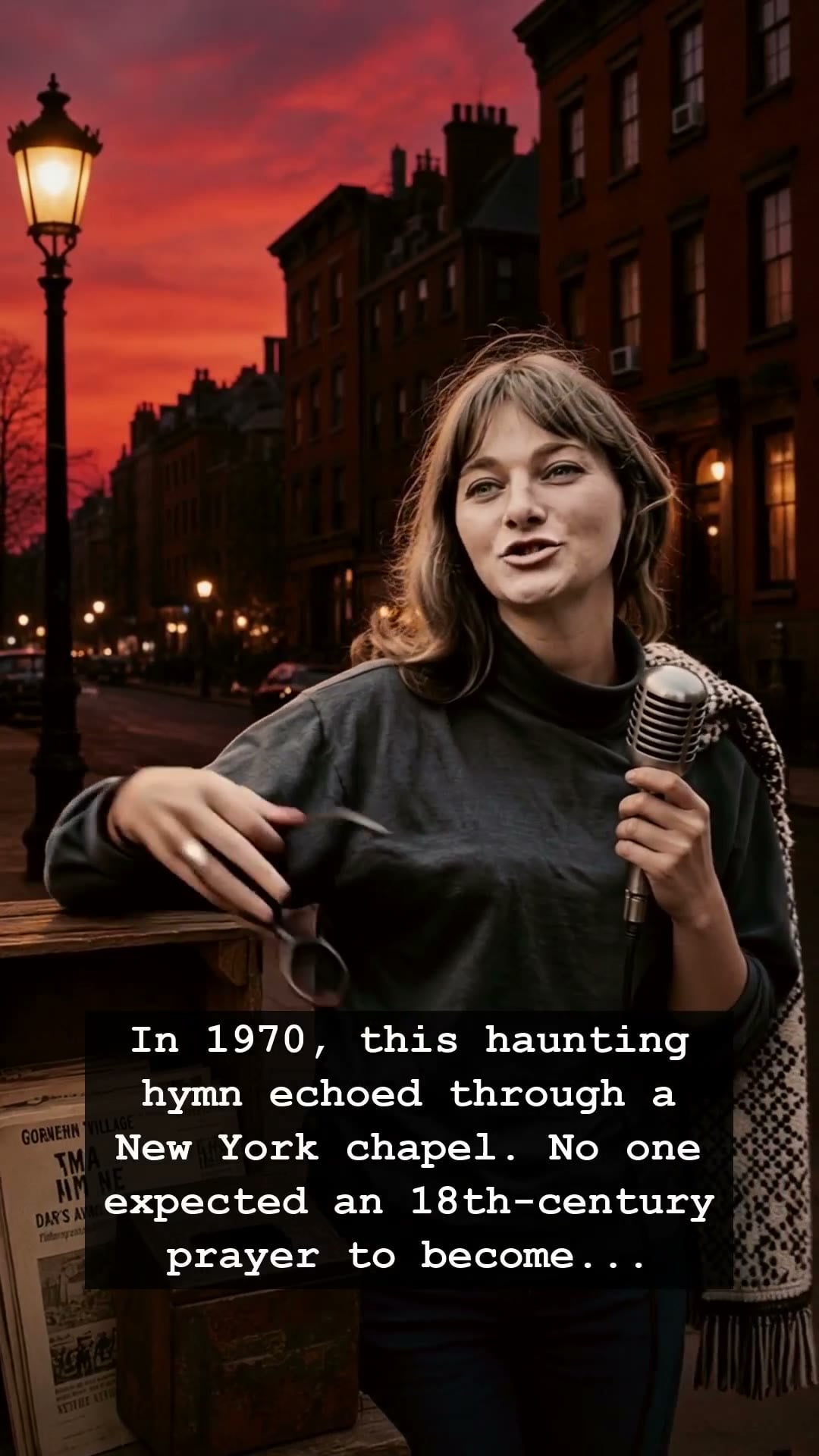
In 1970, the air in America was thick with the smoke of protest and the bitter taste of a divided nation. Inside a sparse New York chapel, the reverb of a single, unaccompanied voice cut through the silence like a blade. It was not a pop anthem or a rock ballad, but an eighteenth-century hymn. When Judy Collins stood there, recording her rendition of Amazing Grace, she had no idea that this simple act of devotion would become the ultimate, haunting voice of the anti-war movement, gripping the charts for an astonishing year.
Judy Collins was already a staple of the Greenwich Village folk scene, a world where the Jukebox was less a machine for dancing and more a tool for societal reflection. Yet, Amazing Grace was a departure even for her. It was stark, raw, and entirely stripped of the instrumentation that defined the late sixties. While the rest of the world was distracted by the neon lights of Studio 54 or the frantic energy of the burgeoning arena rock scene, Judy Collins found power in the void. She chose to record it a cappella, an artistic risk that felt like a whisper in a hurricane of noise.
The resonance of her voice was not just musical; it was a psychological mirror for a generation exhausted by the Vietnam War. Listening to Judy Collins hit those high notes, one could almost feel the collective trauma of the era, the loss, and the desperate search for redemption. It was a time when the innocence of the Woodstock era had collided with the harsh realities of televised combat. The song became an unexpected bridge between the religious foundations of the past and the desperate, secular prayers of a youth culture searching for a way out of the darkness.
There is a deeply intimate, almost eerie quality to the recording that lingers to this day. Unlike the polished production of modern hits, the recording captures the natural acoustics of the chapel, making the listener feel as if they are sitting in the back row, witnessing a sacred moment of catharsis. Judy Collins possessed the rare ability to make an ancient prayer feel like a contemporary protest chant. She transformed a spiritual standard into a sonic protest, proving that sometimes, the loudest message is the one delivered in total stillness.
Decades later, the version by Judy Collins remains a definitive cultural artifact. It stands alongside the Walkman-era anthems and the psychedelic tremors of the time as a reminder that music has the power to stop a nation in its tracks. In an age of digital noise, the haunting simplicity of her performance serves as a poignant reminder of our humanity. Whether you remember the chapel bells of 1970 or are just discovering this piece of history, let the melody settle in, for it remains the most beautiful, solemn prayer ever charted.