
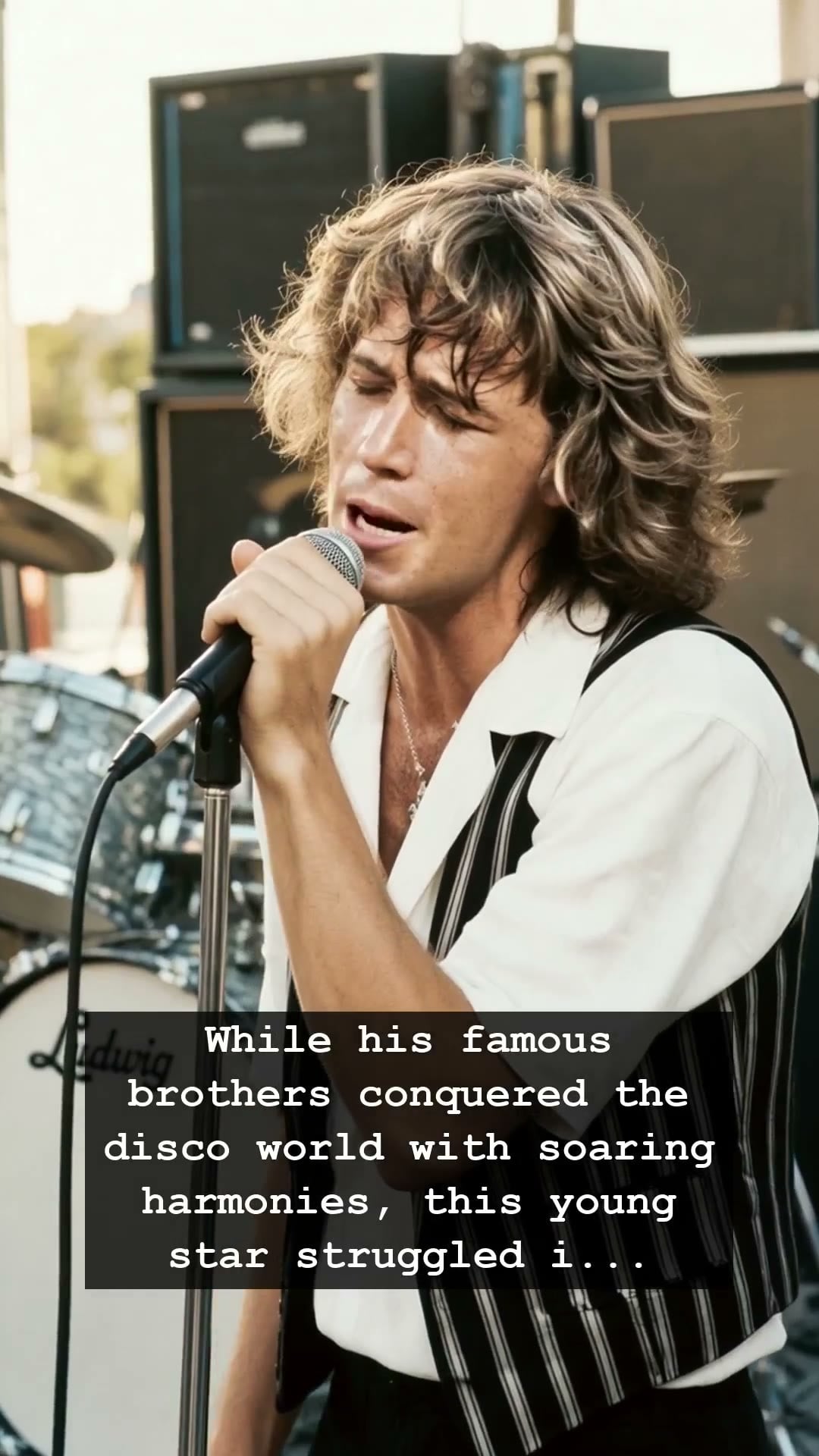
In 1978, the airwaves were dominated by the falsetto harmonies of the Bee Gees. While the world danced under the spinning glitter balls of Studio 54 to the rhythmic pulse of disco, a younger face was captivating the hearts of millions. Andy Gibb was not just another pop idol; he was a golden boy with a charming smile and a voice that promised eternal youth. Yet, beneath the shimmer of his platinum records and the adoring screams of teenage fans, a silent battle was raging. While his legendary brothers stood at the pinnacle of musical history, Andy Gibb was struggling to find his own footing in a shadow that proved far too large to escape.
Born into a family where talent was a birthright, Andy Gibb possessed a natural gift that made stardom look effortless. When he hit the scene with his breakout single I Just Want to Be Your Everything, he became the first male solo artist to have three consecutive number-one singles on the Billboard Hot 100. It was a golden era of Walkmans and 45s, a time when music felt like a permanent escape from reality. For a brief moment, it seemed as though the youngest Gibb brother was destined to redefine the industry on his own terms, disconnected from the disco machine that propelled his brothers to international superstardom.
However, the dark side of fame has a way of finding those who are not prepared for its weight. Behind the polished exterior of his magazine covers and television appearances, Andy Gibb was grappling with the crushing pressure of expectations and the onset of addiction. In an industry that thrived on excess, the transition from a young, bright-eyed sensation to a tortured artist happened with alarming speed. The relentless spotlight, fueled by the omnipresent eyes of the media and the grueling pace of concert tours, began to take its toll. His inner turmoil was often hidden behind that iconic smile, but those closest to him knew the light was slowly beginning to flicker.
As the golden age of disco eventually gave way to the synth-pop and arena rock sounds of the eighties, the industry became less forgiving. For Andy Gibb, the loss of momentum was a devastating blow. The isolation that comes with faded fame is a quiet, brutal kind of suffering. He spent his final years in a desperate attempt to reclaim his essence, battling personal demons that were as complex as they were tragic. His story remains a poignant reminder of how the music industry can build someone up to the clouds, only to leave them vulnerable when the crowd stops cheering.
Andy Gibb passed away in 1988, just days after his thirtieth birthday, leaving behind a legacy that is equal parts celebrated and melancholic. Today, when we hear those familiar opening chords of his classic hits, we aren’t just listening to the soundtrack of a bygone era; we are hearing the heartbeat of a boy who simply wanted to be heard. His light may have faded far too soon, but his voice continues to resonate through the corridors of musical history, a haunting melody that echoes the fragility of fame and the enduring power of a story told through song.