
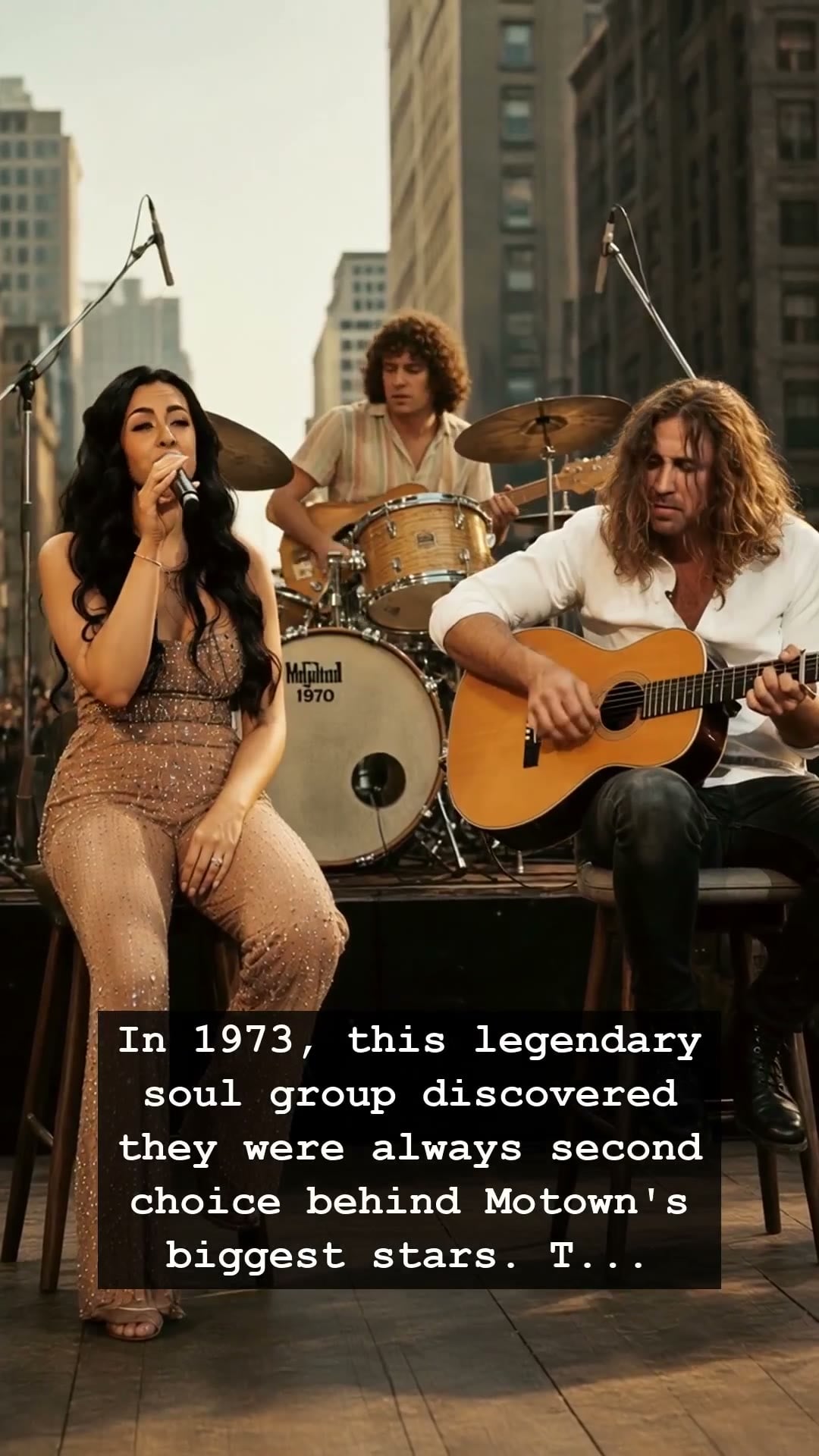
In the golden age of soul, when the needle hit the vinyl and the jukebox glowed with the promise of magic, few voices commanded the airwaves like Gladys Knight and the Pips. By 1973, they were already icons, synonymous with the slick, polished sound emanating from Detroit. Yet, behind the glamorous veneer of Motown Records, a bitter reality was festering. The group had spent years as the backbone of the label, but they slowly discovered a soul-crushing truth: they were always the second choice. While other stars received the golden treatment, Gladys Knight and the Pips were often relegated to the shadows, their creative autonomy stifled by the very system they helped build.
It is difficult to overstate the emotional weight of this realization. For an artist like Gladys Knight, the voice of the Empress of Soul, music was a visceral, honest dialogue with her audience. To be treated as an afterthought in the hallways of Hitsville U.S.A. was not just a business grievance; it was a personal betrayal. The tension reached a breaking point, and in a move that shocked the industry, they walked away. It was a leap into the unknown, a departure from the safety of a major label that had once seemed like a fortress of success. This act of defiance was a turning point for the group and a bold statement about artistic integrity in an era dominated by corporate machines.
Leaving Motown was not the end of their story; rather, it was the catalyst for the greatest comeback of their legendary career. Free from the constraints of their former masters, they pivoted toward a new sound that felt raw, authentic, and undeniably theirs. Their transition into the mid-seventies brought about timeless anthems that captured the heartbreak and resilience of the human experience. As they hit the charts with renewed vigor, they proved that their talent was never tethered to a label’s approval, but rather to the genuine connection they held with their listeners.
Looking back, the departure of Gladys Knight and the Pips serves as a powerful reminder of the hidden costs of fame. In the world of smoky studios and high-stakes record deals, the artist’s soul is often the primary currency. Their story resonates today because it captures the struggle of staying true to one’s vision when the industry demands conformity. Even as the era of disco loomed on the horizon and the cultural landscape began to shift toward the neon lights of the late seventies, their voice remained a steady, soulful anchor for those who preferred the warmth of classic rhythm and blues.
Today, when we spin those classic records, we aren’t just hearing hits; we are hearing the sound of independence. The legacy of Gladys Knight and the Pips stands as a testament to the fact that sometimes, to find your true sound, you have to be willing to lose everything else. Their walk into the unknown transformed the trajectory of soul music forever, leaving us with a catalog that sounds just as poignant today as it did when it first graced the airwaves.