
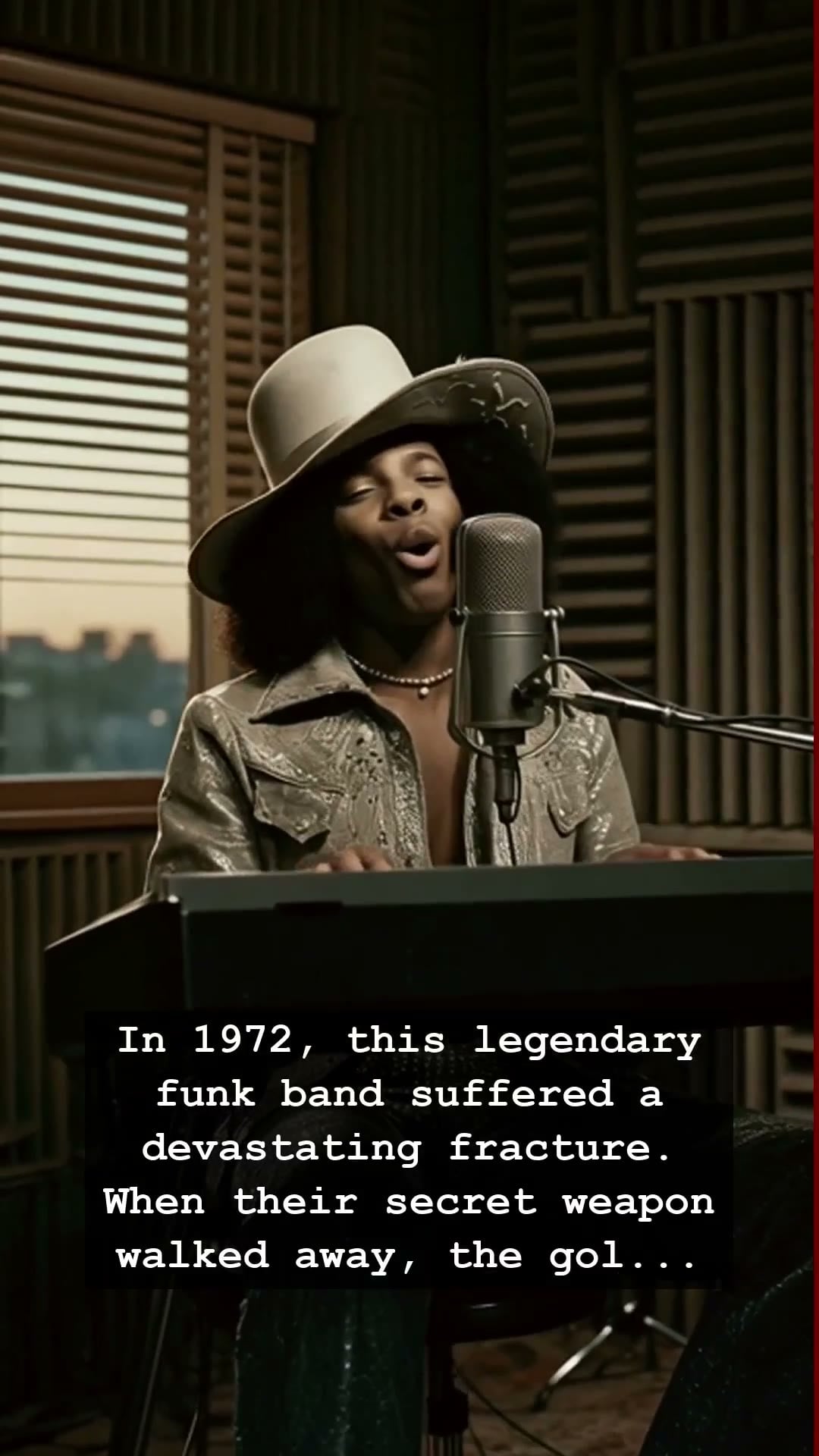
The year was 1972, and the world was vibrating to the low-end frequency of a musical revolution. Sly and the Family Stone were not just a band; they were a cultural phenomenon, a multi-racial, multi-gendered collective that turned the soul music of the sixties into the gritty, experimental funk that defined an era. Yet, behind the glitter of the stage and the hypnotic rhythm of the jukeboxes, a silent fracture was widening. The golden era of groove did not end with a whimper, but with the sudden, shocking departure of their secret weapon: the legendary bassist Larry Graham. When he walked away mid-tour, the internal equilibrium of the band vanished, leaving a void that would never truly be filled.
Larry Graham was more than just a band member; he was the inventor of the thumb-slapping bass technique that gave Sly Stone his signature sound. Before Graham, the bass was a background instrument, a steady heartbeat hidden under melodic layers. Graham turned it into a percussion engine. In the sweaty, electric atmosphere of their concerts, it was Larry Graham who anchored the chaos, creating a syncopated tension that kept audiences in a trance. To the fans, the chemistry between the charismatic Sly Stone and the stoic, rhythmic genius of Graham felt indestructible. But the toll of relentless touring, the suffocating pressure of superstardom, and the encroaching shadows of substance dependency began to erode the trust that held the collective together.
By 1972, the vibe had shifted. The camaraderie that once flourished during the recording sessions of their hit records was replaced by paranoia and ego-driven friction. Reports from the road painted a picture of a group fraying at the edges. Sly Stone was sinking deeper into a lifestyle that made collaboration difficult, and Larry Graham, sensing the instability and desiring more creative control, reached a breaking point. The moment he walked out, the band lost its technical backbone. For the fans who worshipped the sound of Sly and the Family Stone, it felt as though the very floor had been pulled out from under the music scene. The era of pure, unfiltered funk felt suddenly fragile.
The aftermath of that split sent shockwaves through the industry. Larry Graham went on to form Graham Central Station, continuing his innovation, while Sly Stone’s influence began to wane as he spiraled into the darker, isolated corners of his own myth. Yet, looking back, the exit of Larry Graham remains one of the most significant pivots in music history. It marked the end of a brief, brilliant window where funk, soul, and social idealism collided in perfect harmony. It serves as a poignant reminder that even the most innovative musical bonds are susceptible to the human frailties of exhaustion and ambition.
Today, we look back at those records and hear more than just music; we hear the tension of a ticking clock. The story of Sly Stone and Larry Graham is a testament to the fleeting nature of lightning in a bottle. As the needle drops on a vintage vinyl, the thumping bassline of their heyday still resonates, echoing a time when the groove was sacred and the stakes were higher than anyone realized. It remains a classic tale of brilliance and tragedy, forever etched into the timeline of the seventies.