
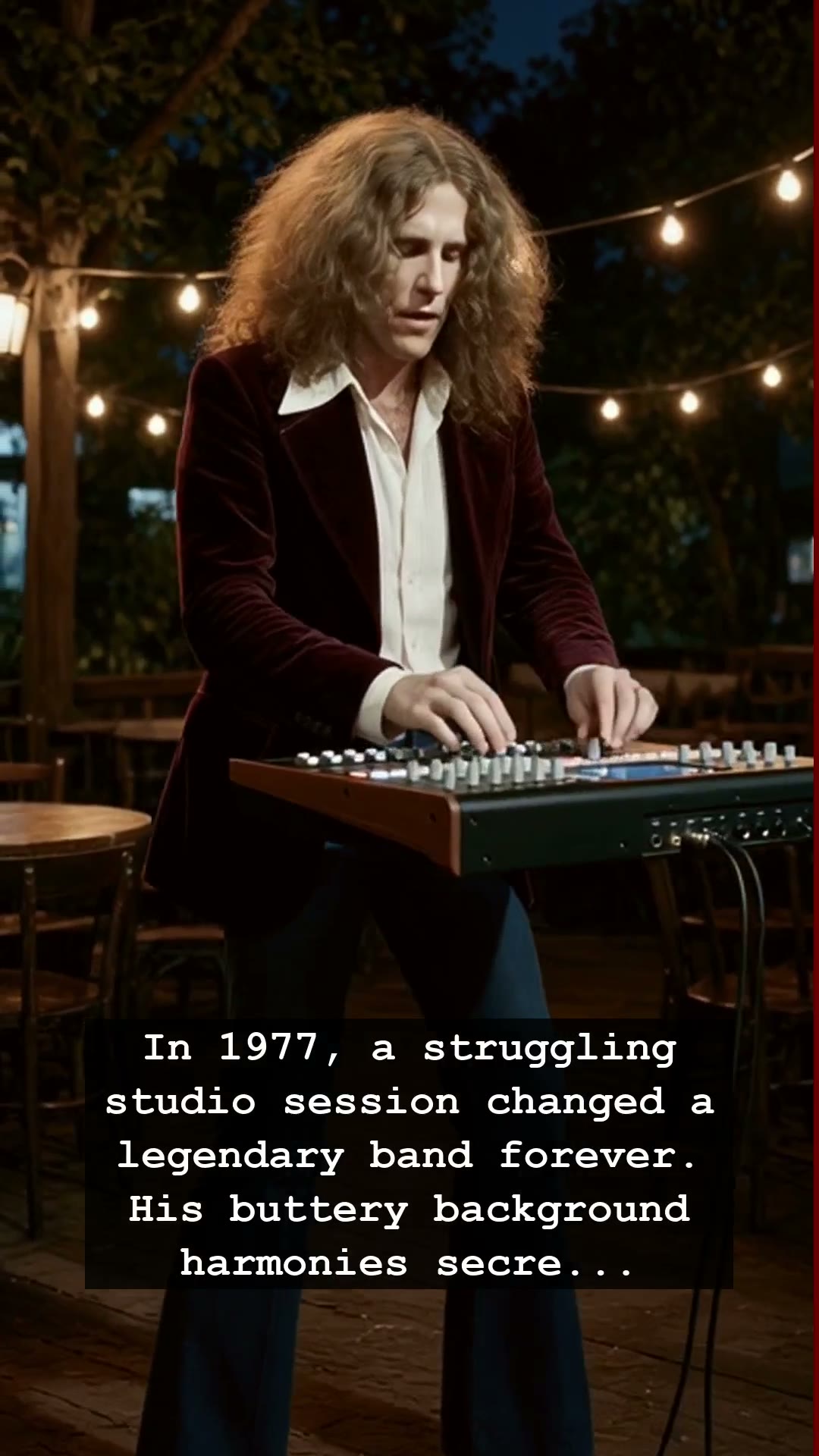
The year was 1977. The air inside the recording studio was thick with the scent of stale coffee and the palpable tension of perfectionism. Walter Becker and Donald Fagen, the elusive architects of Steely Dan, were deep into the sessions for their masterpiece Aja. They were notorious for their obsession with precision, often driving musicians to the brink of exhaustion to nail a single chord. Yet, amidst this rigid jazz-rock landscape, a moment of serendipity occurred that would irrevocably alter the band’s sonic DNA. Enter Michael McDonald, a man with a buttery, soul-drenched voice that felt like velvet draped over a razor blade.
At the time, Michael McDonald was essentially a session journeyman, a background presence trying to carve out his own identity. When he stepped up to the microphone to contribute harmonies to tracks like Peg and I Got the News, the atmosphere in the room shifted. His voice brought an unexpected, gospel-tinged warmth to the clinical complexity of Steely Dan. It was a collision of worlds: the intellectual, detached precision of New York jazz-rock meeting the soulful, blue-eyed croon of a California songwriter. The result was not just an improvement; it was a revelation that added a layer of human vulnerability to their often cold, masterful compositions.
This transformation wasn’t just about vocal layering; it was the birth of an era. The era of the late 70s was a time when the Jukebox was shifting, and the polished sounds of yacht rock were beginning to simmer on the horizon. Michael McDonald soon became the secret weapon of the music industry. His presence in those sessions acted as a catalyst for a smoother, radio-friendly sound that defined the transition toward the 80s. While Becker and Fagen remained the masterminds, it was the unmistakable, rich timbre of Michael McDonald that allowed their music to transcend the niche jazz-rock category and resonate with the mainstream public.
The drama of the studio session often goes untold, but the friction between these legends created sparks that ignited a thousand imitators. Michael McDonald brought an emotional depth that prevented Steely Dan from becoming merely an exercise in technical proficiency. It was a beautiful, albeit fleeting, collaboration. As the 80s approached and the synthesizer began to replace the organic rhythm section, the legacy of these specific sessions remained etched in the annals of music history, serving as a reminder of how one individual can shift the trajectory of a band’s entire career.
Decades later, when you hear those familiar chords echoing through a vintage record player, you can still feel the weight of that 1977 magic. Michael McDonald went on to become a titan in his own right, but those sessions remain a testament to the power of a single voice. It is a story of how, in the vast, noisy world of rock and roll, one man’s quiet, soulful contribution can become the very thing that cements a legend in time. Does the golden hum of those background vocals still stir that familiar sense of longing in you, too?