
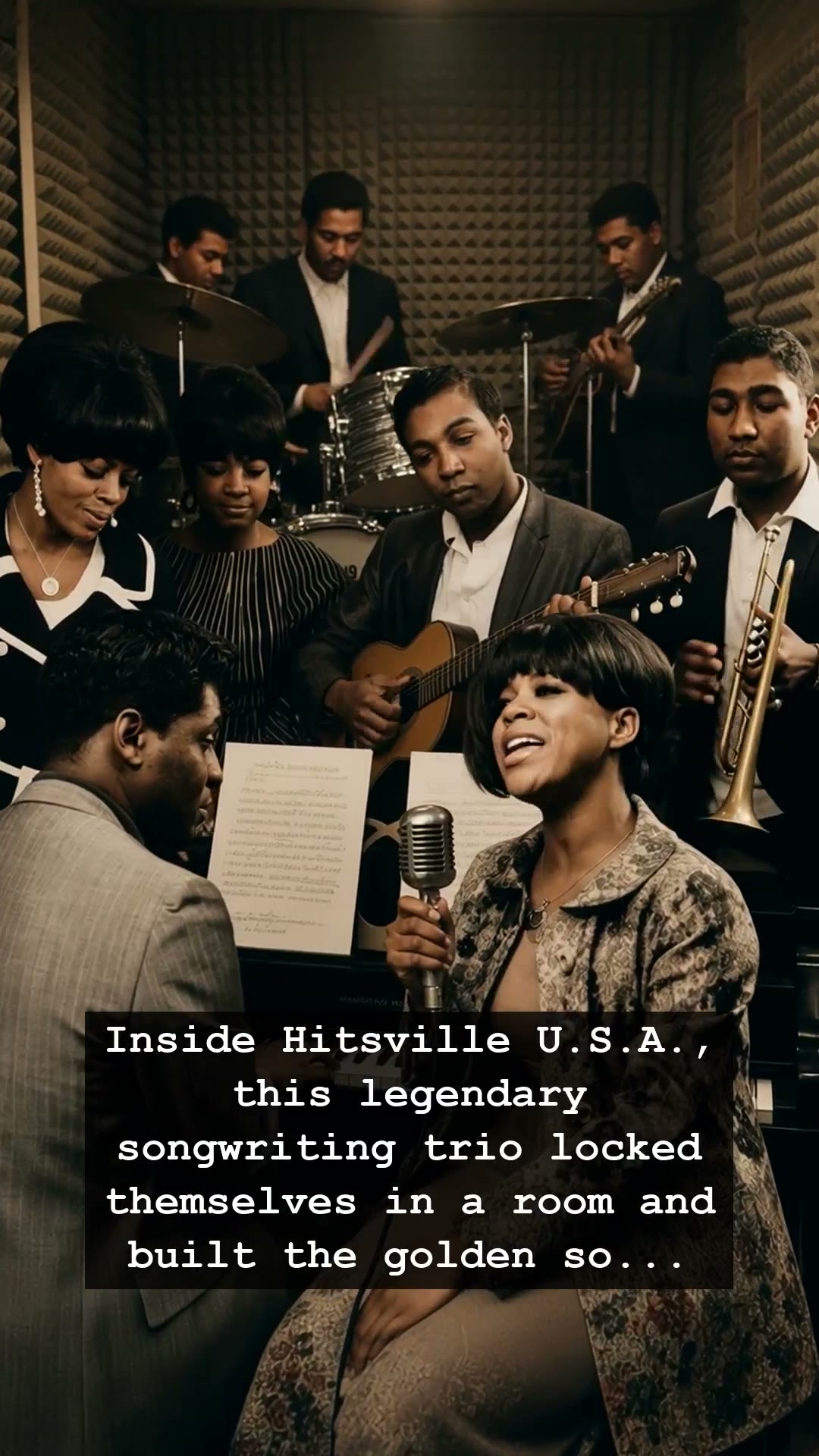
The year was 1963, and in a cramped, nondescript studio on West Grand Boulevard in Detroit, the world was quietly changing. Hitsville U.S.A. was more than just a recording space; it was a pressure cooker of creative genius. Inside those walls, three men—Brian Holland, Lamont Dozier, and Eddie Holland—would lock themselves away for hours, laboring over melodies and lyrics with the clinical precision of architects. They weren’t just writing songs; they were engineering the golden sound of a generation that would eventually define the Motown era and echo through the decades.
Known simply as Holland Dozier Holland, this legendary songwriting trio operated like a high-stakes assembly line. They understood that a hit record needed to be immediate, infectious, and universal. Whether it was the stomping, rhythmic pulse of a Supremes classic or the soulful yearning of a Four Tops ballad, Holland Dozier Holland knew exactly how to pull the emotional strings of a nation. They turned heartache, love, and heartbreak into three-minute masterpieces that played on every jukebox across America, bridging cultural divides while the country navigated a period of intense social transformation.
Yet, the process was never as effortless as the smooth, polished records suggested. The tension inside Hitsville U.S.A. was palpable. Behind the glossy exterior of Motown’s charm school, Holland Dozier Holland were perfectionists driven by an unrelenting demand for excellence. They would obsess over a single drum beat or a stray vocal harmony, crafting hooks that felt like they had existed forever the moment they touched a needle on a record player. It was a golden age of melody, but one forged in the fires of late nights, constant creative pressure, and the burning ambition to keep the hits coming at a relentless pace.
This factory-like approach, while brilliant, eventually took its toll. The history of Holland Dozier Holland is also a story of the internal friction that comes with such monumental success. As their influence grew, so did the friction between the trio and the Motown hierarchy. It is a cautionary tale about the dark side of fame and the fragility of even the most productive creative partnerships. Despite the eventual ruptures and legal battles that followed their departure, the body of work they produced remains the gold standard of pop songwriting. Their legacy is etched into the DNA of every soul and R&B song that followed.
When we listen to those tracks today, we aren’t just hearing catchy tunes; we are hearing the heartbeat of the sixties. Whether you remember dancing to these songs in a crowded hall or finding solace in their lyrics during a quiet drive, Holland Dozier Holland provided the soundtrack for our collective memory. Their formula changed everything, and while the music industry has shifted from analog to digital, the magic they distilled in that Detroit studio remains untouched. Does their music still take you back to those simpler, more vibrant times?