
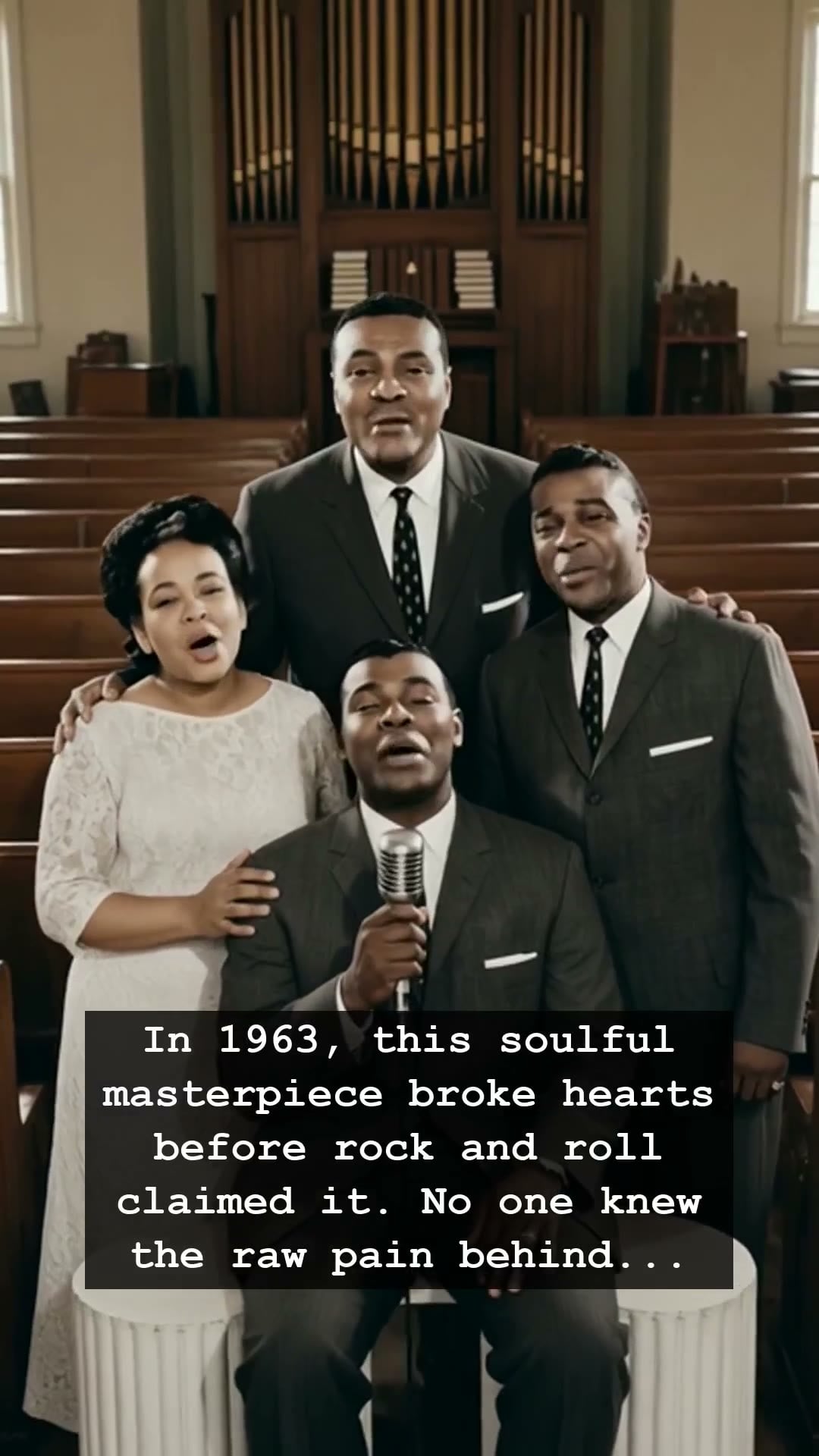
In 1963, the airwaves were dominated by the polished innocence of early pop, but beneath the surface, a storm was brewing in the recording booths of New York. A man named Garnet Mimms walked into the studio, carrying a weight that most performers spend their entire lives trying to hide. As he stepped up to the microphone to record Cry Baby, he wasn’t just performing a song; he was exorcising a ghost. The studio executives, accustomed to the manufactured joy of the era, were left stunned by the raw, jagged anguish in his voice. It was a cry that tore through the veneer of the early sixties, a soulful masterpiece that long predated the grit of the rock and roll icons who would later claim its legacy as their own.
Garnet Mimms was not a man of plastic smiles and choreographed movements. He was a product of the gospel circuit, where your soul was laid bare every Sunday morning. When he poured that intensity into his music, he bridged the gap between the sanctified church and the secular heartbreak of the jukebox era. Listening to Cry Baby today, you can hear the flickering lights of the urban clubs and the palpable desperation of a generation struggling to find authenticity in a changing world. It was a time when the needle hit the vinyl and changed the trajectory of rhythm and blues forever, yet the man behind the song remains one of music’s most overlooked titans.
The tragedy of the story lies in how easily brilliance is buried by the passage of time. While other artists saw their names etched into the walls of fame, Garnet Mimms became a musician’s musician, a quiet titan whose influence rippled through the decades. He possessed a voice that could crack a heart in two, but the industry often prioritized the shiny, upbeat hits of the day over the haunting truth he brought to the table. He was a pioneer of the soul sound, yet the drama of his professional life often mirrored the melancholy of his lyrics, marked by shifting alliances and the unforgiving nature of a music business that consumed talent and discarded it just as quickly.
Today, when you drop the needle on a worn copy of that record, you are hearing more than just a melody. You are hearing the echoes of 1963, a year of profound tension and artistic bravery. Garnet Mimms captured a moment of pure vulnerability, a relic of a time before the digital age sanitized the grit of the human experience. His voice serves as a bridge to a past that still pulses with life, reminding us that the greatest art is rarely born from comfort, but from the necessity of speaking a pain that words alone cannot express.
To listen to Garnet Mimms is to step back into a dimly lit room, hearing a story that was never meant to be forgotten. His legacy endures not through massive stadiums or gold-plated accolades, but through the visceral impact he left on everyone who hears his cry. As the golden era of soul continues to be rediscovered by new generations, perhaps now is the time we finally turn the volume up on his haunting, beautiful truth.