
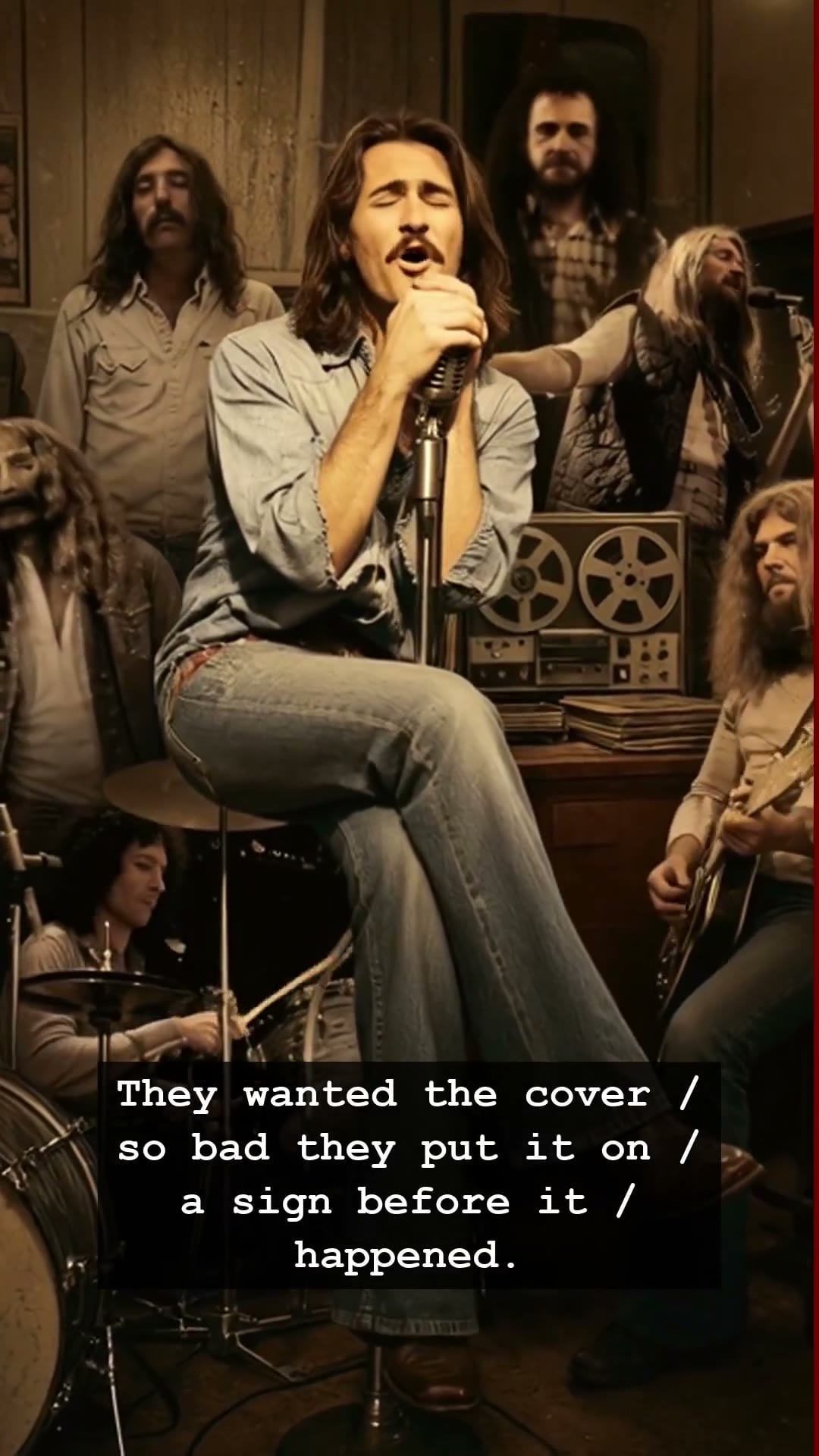
In the golden age of rock and roll, the ultimate validation for any musician was not a Grammy, nor even a platinum record. It was the glossy, iconic front page of Rolling Stone magazine. For most, this was a distant dream, but for an eccentric group of musicians known as Dr. Hook & the Medicine Show, it became an obsession that bordered on the surreal. The year was 1973, an era defined by the crackle of vinyl, the haze of underground clubs, and the undeniable magnetic pull of a good jukebox hit. Dr. Hook & the Medicine Show, led by the charismatic and visibly unconventional Ray Sawyer, were desperate to break out of the bar scene and into the cultural zeitgeist.
The band famously captured their desire in the catchy, biting hit song The Cover of the Rolling Stone. It was a satirical anthem that poked fun at the very industry they were trying to conquer. The lyrics were a plea, a jab, and a prophecy all wrapped into one. They were so hungry for that specific brand of rock-and-roll legitimacy that they literally sang it into existence. While the music industry was busy reinventing itself through the lens of FM radio and the rising influence of music journalism, Dr. Hook & the Medicine Show took a gamble on pure, unfiltered honesty about their own vanity and ambition.
What many fans of the era fail to remember is the chaotic reality behind that milestone. Landing on the cover was not merely a matter of musical talent; it was a testament to the band’s unique brand of chaos. Behind the scenes, the band was a whirlwind of personality clashes and the kind of pressure that usually ends a career before it begins. The transition from local circuit favorites to international sensations required a level of persistence that, in hindsight, feels like a fever dream of the seventies. When they finally appeared on the cover, it felt like a cosmic prank—a band that had successfully mocked the establishment only to be embraced by its most prestigious publication.
The song remains a masterclass in self-deprecating irony, reminding us of a time when the stakes of fame felt both monumental and hilariously trivial. It captures the frantic energy of 1973, a year when the line between art and commerce was blurring at the edges. As listeners, we were caught in the middle of this transformation, soundtracked by the raw, unpolished sounds that defined the decade. The story of Dr. Hook & the Medicine Show serves as a vibrant reminder that even the most calculated stunts can become timeless pieces of history if they are delivered with enough heart.
Today, when we spin these records and hear the familiar twang of their sound, we are transported back to a world of analog warmth and desperate dreams. The legacy of Dr. Hook & the Medicine Show isn’t just about their hit song; it is about the audacity to demand recognition on one’s own terms. Whether you remember the song from a dusty jukebox or discovered it through the enduring power of rock legends, it stands as a perfect artifact of a bygone era. Sometimes, the most honest way to achieve your dreams is to simply sing about them until the rest of the world has no choice but to listen.