
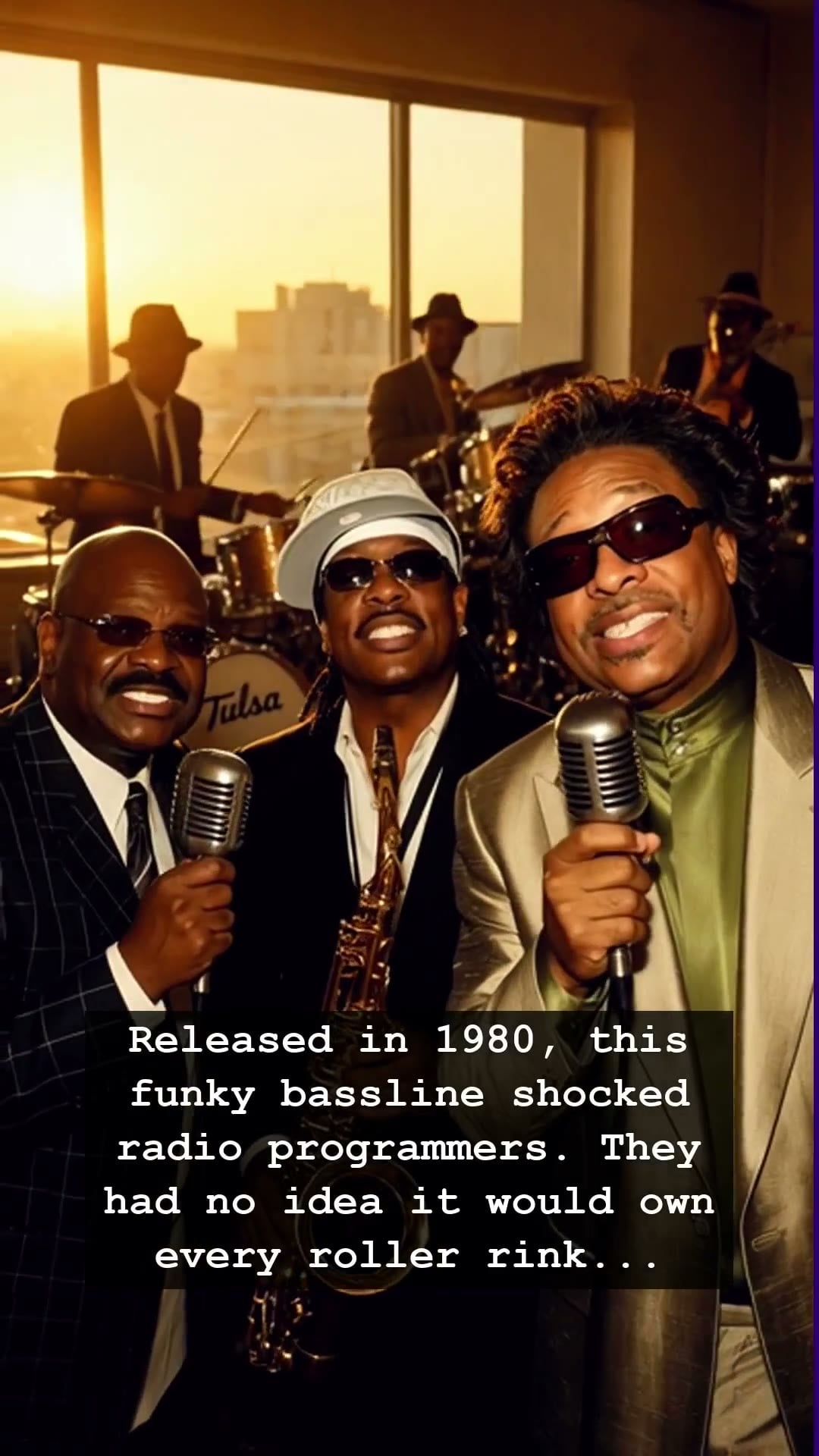
Imagine the scene in 1980: the air is thick with the scent of floor wax and popcorn, the rhythmic clack of urethane wheels against hardwood fills the room, and under the spinning disco ball, a bassline drops that changes everything. Radio programmers were initially baffled, unsure of how to classify the raw, pulsating energy radiating from The Gap Band. They were looking for polished pop, but they received a masterclass in funk that would soon define a generation. This was not just a song; it was a cultural force that bypassed the traditional gatekeepers of airplay and found its true home in the neon-lit roller rinks of America.
The Gap Band, comprised of brothers Charlie, Ronnie, and Robert Wilson, were no strangers to the grit of the music industry. Emerging from Tulsa, Oklahoma, they had already spent years honing their craft, but the release of their hit song, Burn Rubber on Me, served as a gasoline-drenched turning point. While the mainstream charts were still debating the merits of the disco era, the skaters knew better. As the track blasted through arena sound systems, it became an instant anthem, cementing The Gap Band as the undisputed architects of the post-disco funk sound that fueled late nights and weekend escapism.
There was an unmistakable magic in the way The Gap Band manipulated rhythm. Their music possessed a heavy, syncopated soul that felt lived-in and dangerous all at once. Behind the scenes, the music business was shifting; the glitz of Studio 54 was beginning to fade, and the industry was desperate to find the next sonic evolution. The Gap Band did not chase trends; they built an empire on a deep, resonant groove that hit you in the chest. It was the perfect soundtrack for the era of the Walkman and the communal joy of the skating rink, providing a visceral escape for a generation dealing with the pressures of a rapidly changing world.
However, fame for The Gap Band was not without its shadows. The brothers navigated a tumultuous landscape of artistic disagreements and the constant, crushing pressure of record label expectations. Yet, their commitment to the funk remained unshakable. They understood that the power of their music lay in its honesty. Whether they were performing in sold-out arenas or late-night clubs, the connection with the audience was visceral. They were not just playing notes; they were curating a communal experience that defined the early eighties for millions of listeners.
Today, when that iconic bassline echoes through a classic film or a nostalgic radio rotation, it transports us back to a simpler, more kinetic time. The Gap Band proved that authenticity eventually cuts through the noise, regardless of what the radio programmers think. As we look back on the legacy of these musical pioneers, we are reminded that true art has a way of finding its audience, even if it has to take the scenic route through a local roller rink to get there. The groove lives on, and the rhythm of those nights never really stops.