
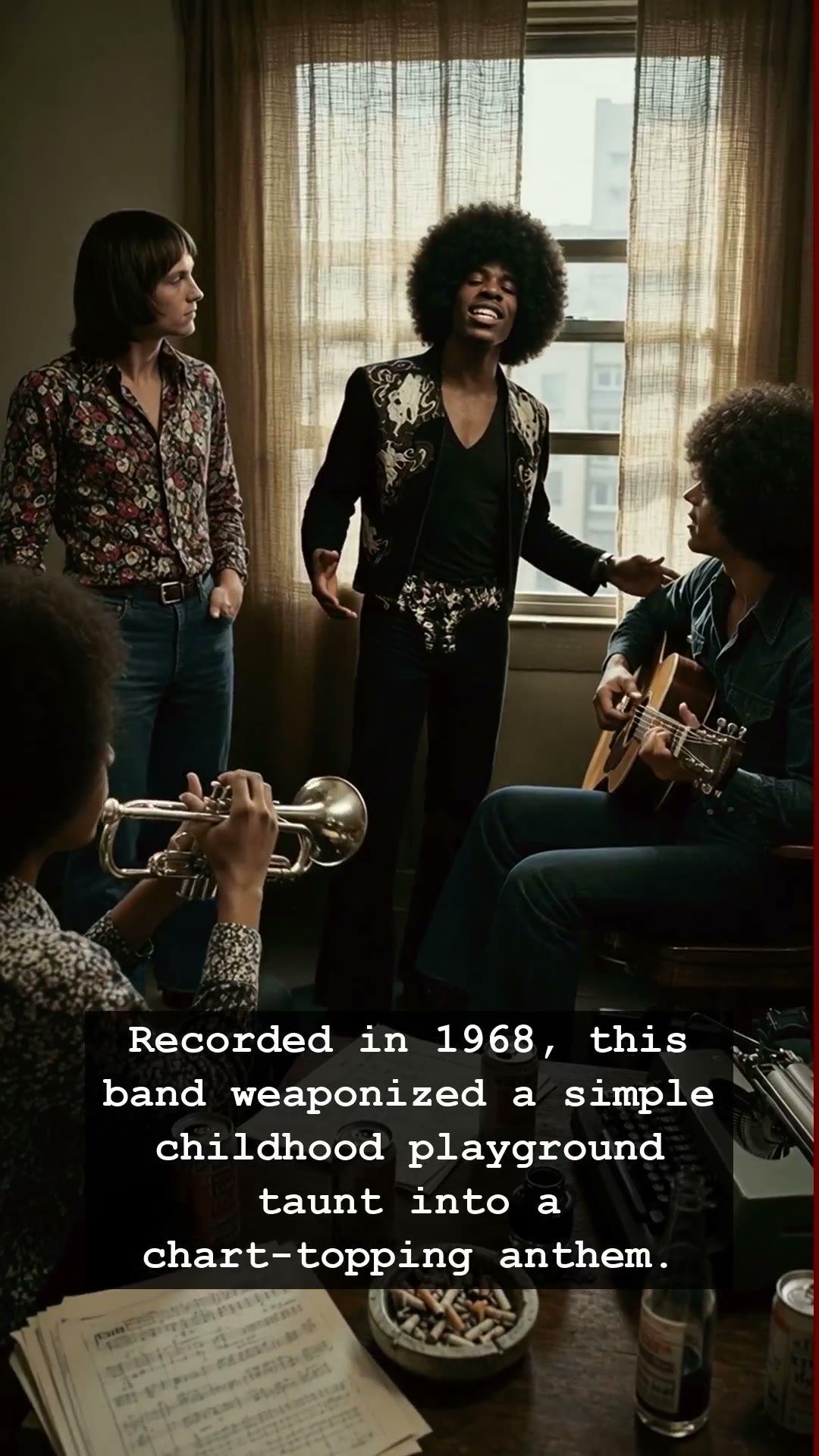
In 1968, San Francisco was a city pulsating with the raw, electric energy of the counterculture. Amidst the swirling fog and the lingering scent of patchouli, a sound was emerging from the shadows that would permanently alter the trajectory of American music. Sly and the Family Stone were not just a band; they were a social experiment, a collective of gender-bending, multi-racial pioneers who dared to blend psychedelic rock with the infectious, deep-grooved soul of the streets. Their masterpiece, Everyday People, did not emerge from a sterile boardroom or a high-end recording suite, but from the simple, mocking cadence of a children’s playground taunt heard outside the studio walls. It was a moment of accidental genius that birthed one of the most enduring anthems of unity in the 20th century.
Sly Stone, the mercurial visionary behind the operation, possessed an uncanny ability to distill the complex tensions of a fracturing society into three minutes of danceable bliss. By transforming a taunt into a message of peace, Sly and the Family Stone challenged the rigid racial and musical hierarchies of the late sixties. At the time, the world was reeling from political upheaval and the Vietnam War, yet here was a group that sounded like the future. Their influence spilled out of the jukeboxes in local dive bars and eventually roared through the speakers at massive festivals like Woodstock, where the band solidified their reputation as the ultimate masters of groove and spectacle.
However, the story of Sly and the Family Stone is far from a simple fairy tale of success. Beneath the glittery, flamboyant stage outfits and the euphoric bass lines lay a volatile pressure cooker. The very inclusivity that made the band iconic also fostered intense internal friction. The immense fame brought on by their chart-topping success became a heavy burden, fueling egos and spiraling into the dark abyss of substance dependency that plagued so many rock legends of that era. Studio 54 was just a glimmer on the horizon, but for Sly, the high of the spotlight was often dampened by the crushing reality of fame’s darker side.
What makes the legacy of Sly and the Family Stone so hauntingly beautiful is that it remains a paradox. They were the architects of funk, yet they were dismantled by the very instability that fueled their creative output. The song Everyday People continues to resonate today because it speaks to the messy, complicated human condition that never changes. It was an anthem for a generation trying to navigate the smoke and noise of the late sixties, and it remains a testament to the fact that greatness can arise from the most trivial, mundane encounters.
As we look back through the lens of history, the brilliance of this band serves as a reminder of how fleeting genius can be. They captured lightning in a bottle, creating a sound that was at once radical and accessible. The next time you spin an old record, listen closely for that playground rhythm that changed the world, and remember the chaotic, brilliant, and deeply human story of Sly and the Family Stone.