
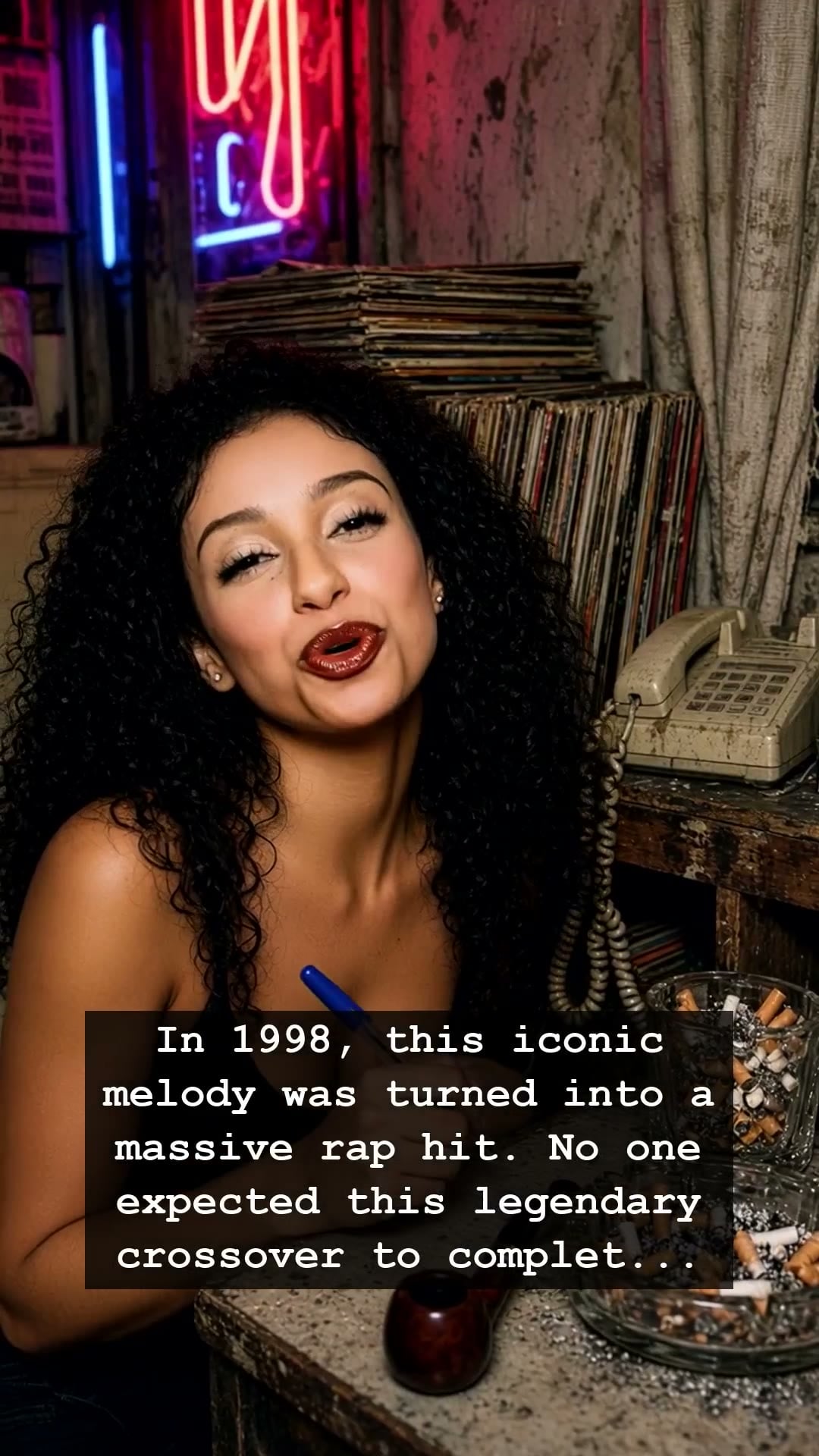
The year was 1998, a time when the world was shifting from the neon-soaked excess of the MTV era into a grittier, digital-heavy millennium. While the radio waves were crowded with the polished shine of pop stars, a track emerged that felt like a glitch in the matrix. It was Ghetto Supastar (That Is What You Are), a song that bridged two seemingly incompatible worlds: the haunting, ethereal melody of Kenny Rogers and Dolly Parton’s Islands in the Stream and the raw, unhinged energy of the hip-hop underground. When Pras Michel of the Fugees decided to sample that country-pop classic, the music industry braced for a disaster. Instead, they got a global phenomenon that defied all conventions of the time.
At the center of this sonic collision was a volatile mix of talent. Pras Michel, looking to cement his solo footprint after the massive success of The Fugees, brought in the soul-stirring vocals of Mya, whose velvet voice provided the perfect, delicate counterpoint to the song’s hard-hitting rhythm. But the real spark, the one that turned a catchy radio tune into an legendary artifact of late 90s culture, was the inclusion of Ol’ Dirty Bastard. ODB, fresh off his own chaotic exploits, brought a jagged, unpredictable charisma that gave the song its gritty, authentic edge. Watching them in the studio felt like witnessing a high-wire act; you never knew if the magic would hold or shatter under the pressure of their clashing creative worlds.
To understand the impact of Ghetto Supastar, you have to remember the landscape of 1998. Walkmans were still humming in pockets, and the internet was just beginning to change how we discovered music. This track was an anomaly—a bridge between the jukebox nostalgia of the 70s and the rising dominance of hip-hop. It wasn’t just a hit; it was a cultural conversation starter. It proved that the divide between genres was entirely fictional, a construct that Pras Michel was more than happy to dismantle for the sake of a perfect hook. For a generation of listeners, this was the first time they truly understood the power of a well-executed sample to resurrect a legacy.
Yet, behind the polished music video and the chart-topping numbers lay the undeniable reality of ODB’s troubled genius. His contribution remains a bittersweet reminder of an artist whose fire burned too bright and too fast. When he spat his verse, it wasn’t just a performance; it was an raw expression of a life lived on the edge of fame and chaos. Mya’s presence anchored the track, grounding the erratic energy with a level of grace that kept the song from veering off the rails. It was a delicate balance of light and dark, pop and street, that could only have happened in the final, experimental years of the 20th century.
Today, Ghetto Supastar remains a time capsule. It captures the specific, electrifying moment when hip-hop ceased to be a subculture and became the primary language of global music. Looking back, the song serves as a testament to the risks that defined the late 90s, where artistic collisions were not just expected but encouraged. Even decades later, as the melody of that sampled classic drifts out of a speaker, we are transported back to a time of oversized fits, flickering CRT monitors, and the thrill of the unknown. It is a reminder that the best music often comes from the most unexpected of places.