
In the early 1970s, the music industry was a kingdom of polished egos and carefully curated images. While bands were clamoring for the perfect airbrushed look to grace the glossy pages of magazines, one eccentric group from New Jersey decided to burn the rulebook entirely. Dr. Hook and the Medicine Show were tired of being the industry’s best-kept secret, and they knew that to truly make it in the cutthroat world of rock and roll, they needed a stunt that would shake the foundations of pop culture. They turned a cynical, self-deprecating fantasy into a tangible piece of music history that still sits in the archives of fans today.
The year was 1973, and the band was frustrated by their lack of mainstream recognition despite their undeniable talent and wit. They had joked about the absurdity of the fame machine, specifically the coveted status of being immortalized on the front page of Rolling Stone. Fueled by a mix of desperation and the rebellious spirit of the post-Woodstock era, they decided to tackle the challenge head-on. The song The Cover of the Rolling Stone became their manifesto, a biting, tongue-in-cheek anthem that mocked the very institutions they were begging for validation from. The lyrics were a blatant request for fame, but it was their commitment to the gag that turned a novelty track into a cultural phenomenon.
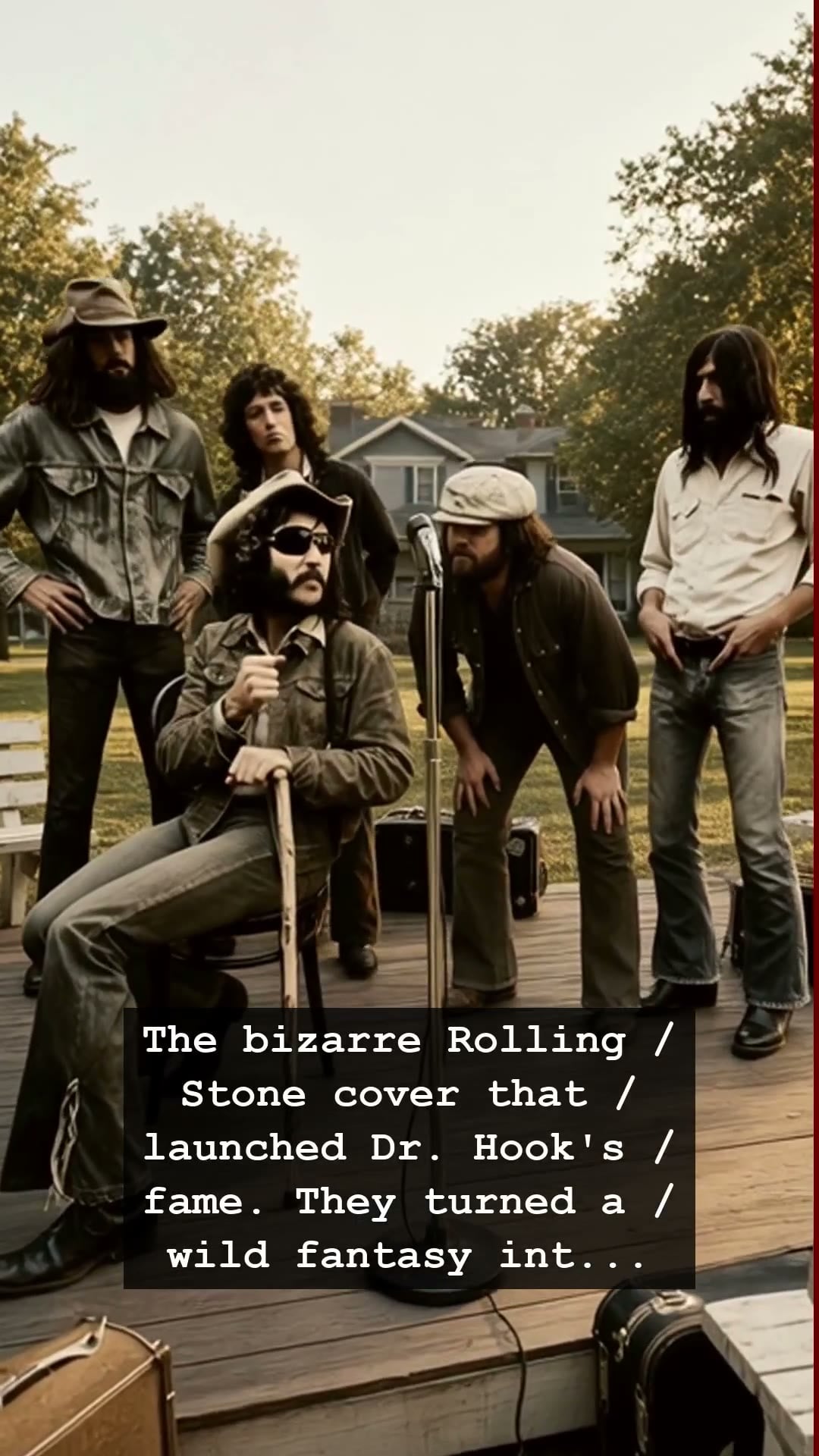
When they finally secured the cover shoot, they didn’t go for suits or leather jackets. Instead, they leaned into the raw, messy reality of their personalities, appearing on the magazine cover with a sense of irreverent pride. It was a moment of absolute brilliance that resonated with listeners who were tired of the overly serious rock stars of the time. This wasn’t just a photo; it was a middle finger to the industry gatekeepers, delivered with a smirk and a catchy melody. By capturing their unfiltered selves, Dr. Hook and the Medicine Show proved that authenticity, even when presented as a joke, could cut through the noise of the radio waves.
The impact was immediate and monumental. The song climbed the charts, fueled by the irony of a band singing about wanting to be on a magazine cover while simultaneously staring out from that very cover. It remains a masterclass in marketing and a testament to the wild, anything-goes atmosphere of the 1970s. For those who remember rushing to the newsstand to flip through the pages of a fresh Rolling Stone, the memory of that cover is inseparable from the sound of a juke box playing that distinct, piano-driven opening riff.
Looking back, the story of Dr. Hook and the Medicine Show serves as a reminder of an era where art, ego, and humor collided in ways we rarely see in today’s sanitized digital landscape. They turned their frustration into a hook that caught the entire world, cementing their legacy as the kings of musical satire. Do you remember the first time you heard their hit and realized the cover was actually real? It was the kind of rock and roll magic that we still crave today.