
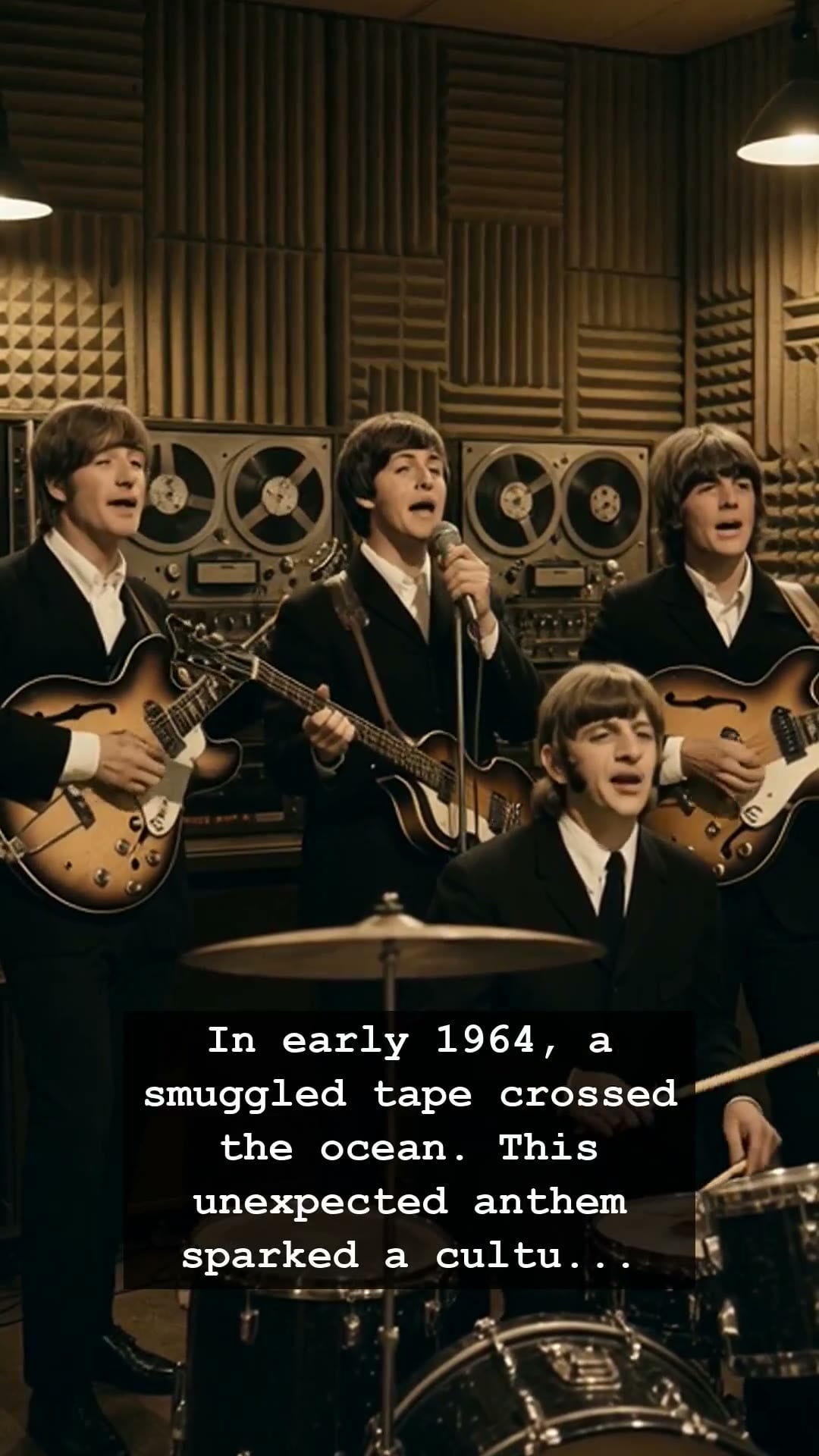
In the winter of 1964, the airwaves of America were saturated with polished crooners and predictable pop melodies. The industry was comfortable, complacent, and entirely unprepared for the shockwave arriving from Liverpool. It began with a smuggled tape—an illicit piece of magnetic plastic that crossed the Atlantic, defying the gatekeepers of major record labels who had dismissed these four mop-topped lads as a passing British fad. When that first rhythm hit the airwaves, the sound of The Beatles didn’t just play; it shattered the status quo, turning the quiet suburban living rooms of the Boomer generation into ground zero for a tectonic cultural shift.
For those who lived through it, the memory is as crisp as a fresh vinyl spin on a vintage jukebox. Before that moment, rock and roll was a localized American phenomenon, but The Beatles transformed it into an infectious, global obsession. Record executives were terrified by the sheer ferocity of the fandom, failing to realize that this wasn’t just music—it was a seismic reaction to the boredom of the post-war era. The group carried a raw, unrefined energy that felt dangerous yet profoundly necessary. They were the catalyst that moved us from the lingering shadows of the fifties into the vibrant, neon-drenched turbulence of the coming decades.
Consider the sheer audacity of the hysteria they triggered. From their historic debut on the Ed Sullivan Show to the frantic, screaming crowds that redefined the limits of concert safety, The Beatles existed in a state of constant, high-octane pressure. Beneath the polished harmonies and matching suits lay a group of young men wrestling with the dark side of sudden, incomprehensible fame. They were trapped in a whirlwind of hotels and microphones, their reality slowly fraying as the world demanded more than they could possibly give. It was the birth of the modern superstar myth, where the lines between art and ego began to blur into the history books.
Yet, their legacy remains untarnished by time because they were the soundtrack to a genuine generational awakening. They taught an entire nation how to dream, how to rebel, and eventually, how to introspect. The music of The Beatles became the heartbeat of a shifting society, marking the transition from the innocence of the early sixties toward the psychedelic experimentation and political defiance that would later define the decade. Every time a scratchy, vintage track from that era crackles to life on a turntable today, it carries the ghost of that smuggled tape—a reminder of the precise moment music stopped being entertainment and started being a revolution.
Looking back, it is impossible to imagine the cultural landscape of the twentieth century without them. They weren’t just musicians; they were architects of the modern psyche. Whether you were there feeling the first jolt of Beatlemania or discovered them through the dusty crates of your parents’ record collection, the impact is undeniable. The Beatles changed the rules of the game, and in doing so, they left us with a timeless anthem for every generation that refuses to settle for the silence of the status quo.