
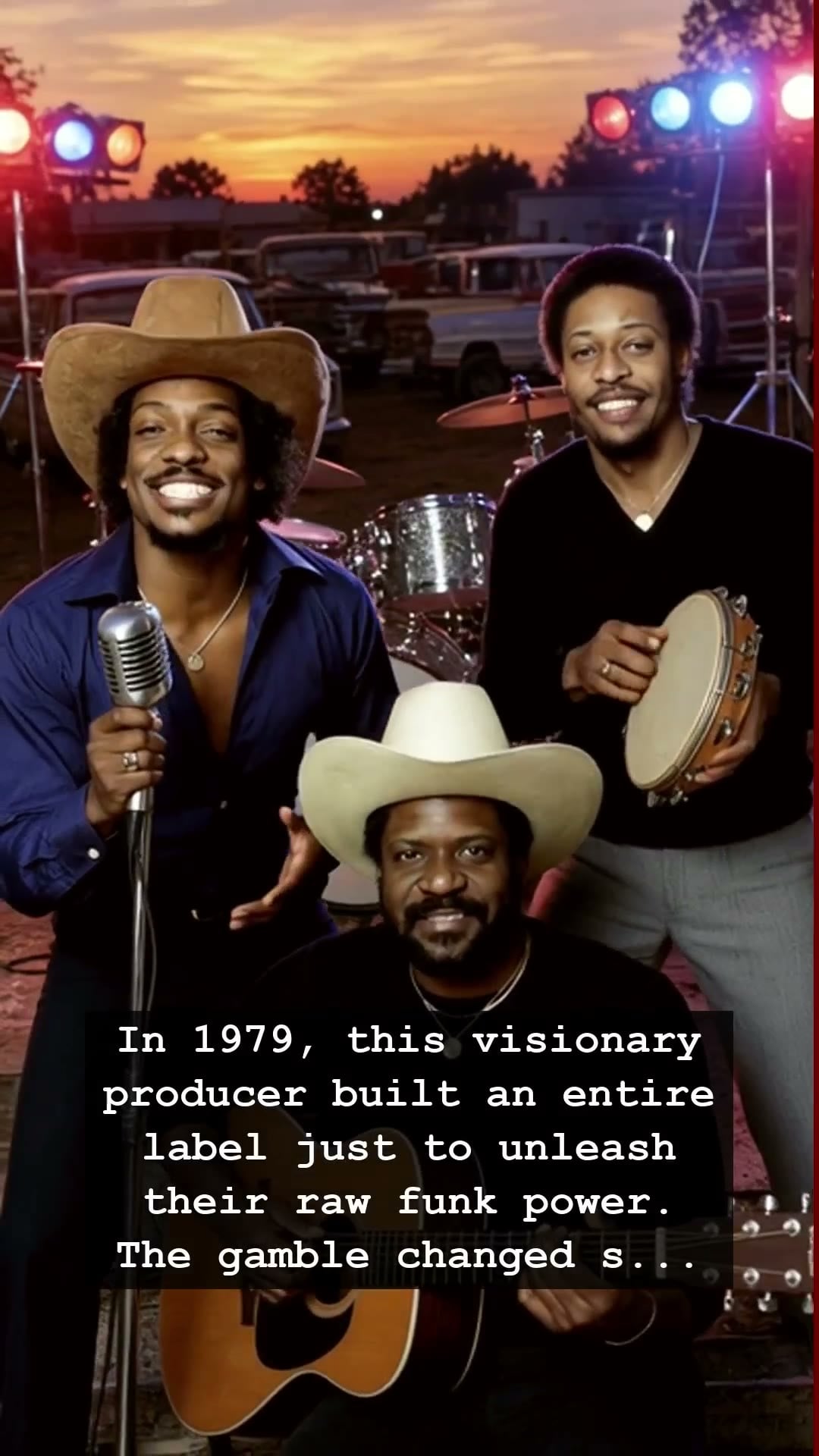
It was 1979, a time when the world was teetering on the edge of the disco fever dream, yet beneath the shimmering strobe lights of Studio 54, something grittier was brewing. A visionary producer named Lonnie Simmons stood at a crossroads. He had discovered a struggling group from Tulsa, Oklahoma—The Gap Band—who possessed a raw, seismic energy that most executives dismissed as too loud and too unpredictable for the polished airwaves of the era. Rather than bowing to industry pressure, Simmons made a move that would define the sound of a decade: he bet his entire future by building an entire record label from the ground up, specifically to unleash the untamed funk power of The Gap Band upon a world that wasn’t yet ready for them.
At the time, the airwaves were heavily saturated with the synthetic sheen of mainstream pop. The Gap Band, however, brought a bass-heavy, soulful complexity that felt like an earthquake in a library. Their sound was a visceral fusion of R&B, soul, and a new kind of funk that required the listener to move, feel, and sweat. By launching his own imprint, Total Experience Records, Simmons provided the canvas upon which the band could paint their rhythmic masterpieces. This was not just business; it was a gamble of artistic conviction that transformed a local outfit into the architects of an unforgettable era of soul music.
When the needle hit the grooves of their breakthrough tracks, the atmosphere changed instantly. Songs like Oops Upside Your Head didn’t just climb the charts; they became the heartbeat of backyard parties, skating rinks, and urban blocks across America. The Gap Band brought a certain communal spirit to their recordings that captured the essence of late-seventies American life. They were the bridge between the complex arrangements of the Motown era and the burgeoning electronic rhythms that would soon dominate the eighties. The band’s interplay between the brothers—Charlie, Ronnie, and Robert Wilson—created a chemistry that felt dangerously authentic, contrasting sharply with the manufactured groups often pushed by major labels.
This era was defined by the clatter of the jukebox and the communal joy found in long, hypnotic funk breaks. The Gap Band masterfully utilized this, turning their live shows into legendary spectacles where the funk was never just heard; it was experienced physically. The cultural impact of their success under Simmons allowed them to push boundaries that had previously been locked tight, influencing generations of hip-hop producers who would later chop up their basslines to create the backbone of rap music.
Today, the legacy of The Gap Band resonates as a testament to the power of artistic rebellion. They proved that when a group stays true to their raw, unpolished spirit, they can shift the culture permanently. Looking back, that 1979 gamble remains one of the most brilliant strategic maneuvers in music history, ensuring that the funk would not only survive the transition of the eighties but thrive within it. Their rhythm still pulses through the veins of modern music, reminding us that sometimes, the biggest risks yield the most enduring sounds.