
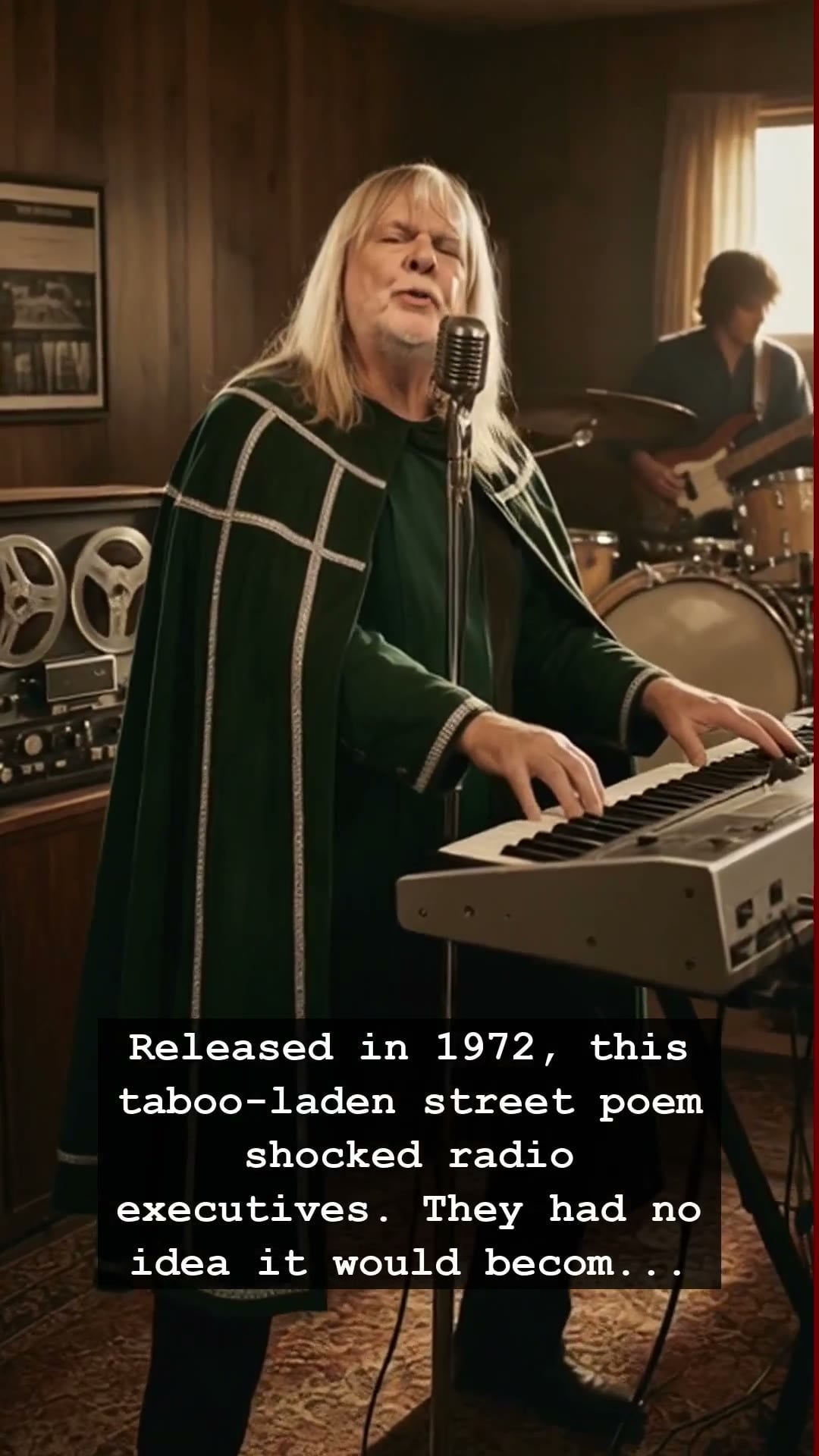
In the summer of 1972, the airwaves were dominated by polite pop melodies and safe, sterilized radio hits. Then came a gritty, street-level poem that dared to whisper secrets about the underground world of New York City. The song was Walk on the Wild Side, a track that by all logic should have been banned from every station in America. Instead, it became an impossible, global phenomenon that etched Lou Reed into the annals of music history forever. It was a song that thrived on the taboo, capturing the dark, seductive pulse of the era with a haunting jazz saxophone outro that still lingers in the subconscious of every classic rock lover today.
The genius behind this transition was none other than David Bowie. Following the massive success of his Ziggy Stardust persona, Bowie took his hero, Lou Reed, under his wing. Reed, fresh off the dissolution of The Velvet Underground, was struggling to find his footing as a solo artist. Bowie, recognizing the raw, poetic brilliance hidden within Reed’s cynicism, stepped in as a producer for the Transformer album. He didn’t try to polish Reed’s rough edges; he amplified them. By blending Reed’s street-smart storytelling with a sophisticated glam-rock sheen, they created a sonic bridge that allowed the fringe culture of NYC to crash headlong into the mainstream pop charts.
At its core, the song is a vivid, noir-drenched tour of the people hanging around Andy Warhol’s Factory. It introduced listeners to a cast of characters who lived far outside the conventional moral boundaries of the early seventies. Radio executives were initially terrified. The subject matter—ranging from drag queens to illicit substances—was a direct challenge to the broadcasting standards of the day. Yet, the song was too magnetic to ignore. Its steady, hypnotic bassline and the unexpected, melodic charm of that legendary saxophone solo made it a staple of the Jukebox era, eventually breaking barriers that had held back alternative voices for decades.
The collaboration between Lou Reed and David Bowie was not without its own brand of dramatic tension. They were two massive, competing egos, both defined by their creative restlessness and their deep reliance on the very lifestyle they were documenting. The studio sessions for Transformer were fueled by the high-pressure atmosphere of London in the early seventies, a time when the boundary between performance and reality was constantly blurring. For Reed, this song was his redemption. It proved that he didn’t need to be part of a collective to be a powerhouse; he just needed the right partner to help translate his dark, bohemian poetry into a language the world could finally hear.
Decades later, the song remains a haunting artifact of a bygone era. It captures a specific moment in time, right before the disco glitter of Studio 54 would wash away the grit of the bohemian underground. It reminds us of a time when music was dangerous, when a three-minute song could genuinely shock the establishment and change the cultural landscape. Whether you first heard it on a spinning vinyl record or a crackling Walkman in the eighties, the story of Lou Reed and David Bowie reminds us that the most enduring art often hides in the shadows of the taboo. Take a walk back through the echoes of the seventies and rediscover the song that proved controversy could conquer the world.