
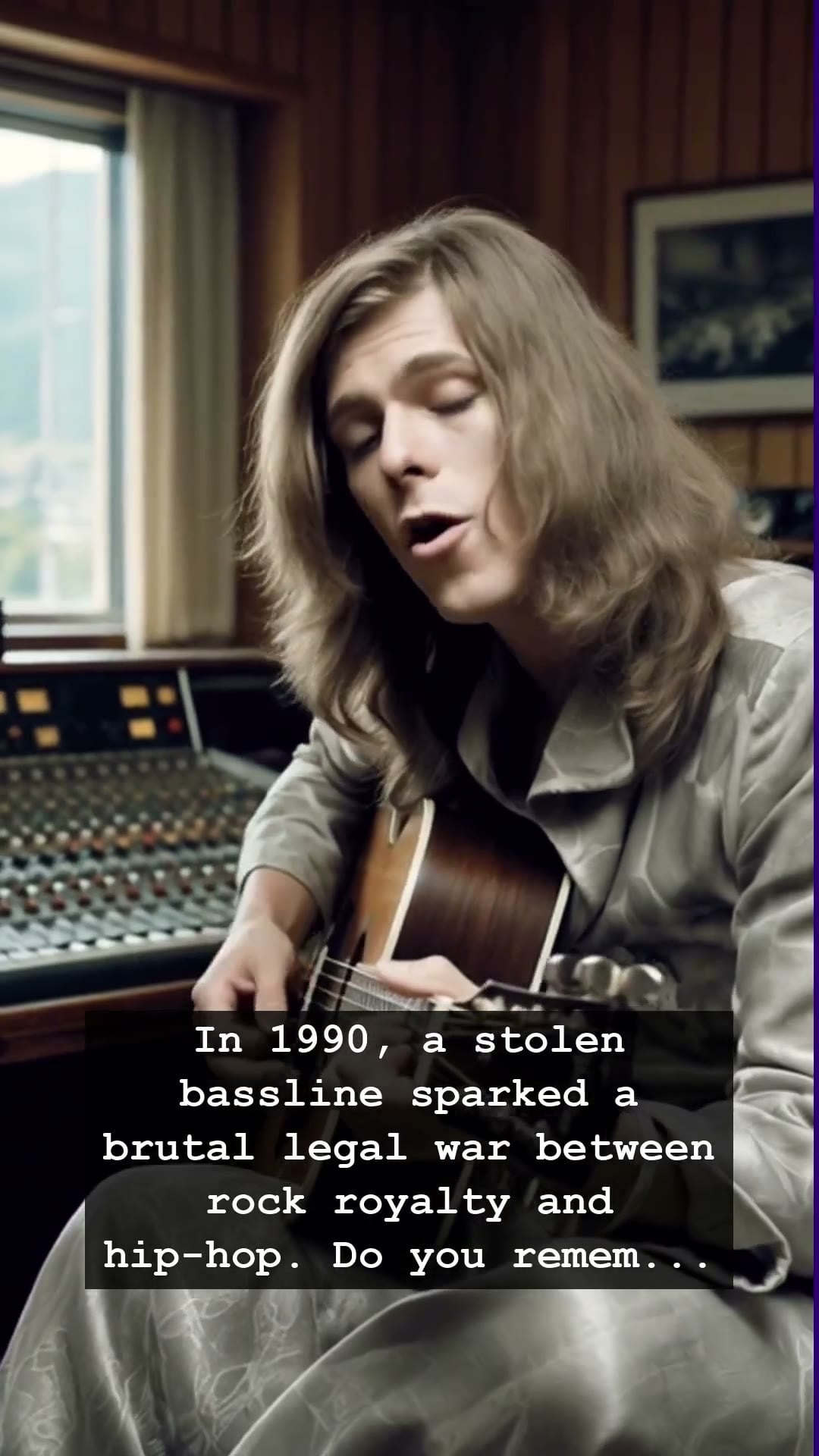
It was 1990, and the world of music was shifting beneath our feet. The raw, analog grit of the previous decades was being digitized, sampled, and looped, leading to the meteoric rise of hip-hop. Suddenly, every Jukebox across America was dominated by the infectious, stuttering bassline of Vanilla Ice’s Ice Ice Baby. But beneath the neon glare of MTV and the dance floors of clubs, a storm was brewing. That iconic, driving rhythm that defined a summer anthem wasn’t a product of the studio that year; it was a legendary melody borrowed—without permission—from Queen and David Bowie’s 1981 masterpiece, Under Pressure.
The collision between these two worlds felt like a cultural earthquake. When the track exploded, listeners instantly recognized that unmistakable, pulsing bass hook that had once anchored the genius of Freddie Mercury and David Bowie. Yet, there was no credit, no royalty agreement, and no acknowledgement of the rock royalty that had birthed it. For many of us who grew up in the era of Walkman headsets and stadium rock, it felt like an act of sacrilege. It wasn’t just about a few missing notes on a record; it was about the sanctity of the songwriting process that defined the late twentieth century.
The ensuing legal war was as brutal as it was historic. David Bowie and the surviving members of Queen didn’t take the theft lightly. It was a confrontation that pitted the fast-moving, unpredictable world of emerging hip-hop against the established titans of arena rock. For those of us who spent the seventies and eighties worshipping at the altar of Queen’s operatic brilliance and Bowie’s shape-shifting artistry, the lawsuit felt like a defense of artistic heritage. It reminded us that even in the face of massive commercial success and cultural shifting, the creators behind the music demand their due.
Ultimately, the case was settled out of court, forcing Vanilla Ice to pay a hefty sum and, perhaps more importantly, add the names of Freddie Mercury and David Bowie to the songwriting credits. It was a landmark moment for music copyright, setting a precedent for how samples would be handled in the future. Looking back, this drama captures the growing pains of a music industry moving from the analog warmth of vinyl into the complex, litigious world of modern production. It was the moment rock royalty stood their ground against a changing tide.
Today, when you hear those opening notes of Under Pressure, the story of this legal battle adds a layer of grit to the melody. It reminds us that every great anthem carries a history, a struggle, and a legacy that persists long after the radio silence. While we love the catchy, fast-paced hits of the nineties, there is a certain comfort in knowing that the titans of the classic era—Bowie, Mercury, and the Queen collective—knew exactly how to protect the soul of their craft. Do you remember the first time you heard the difference?