
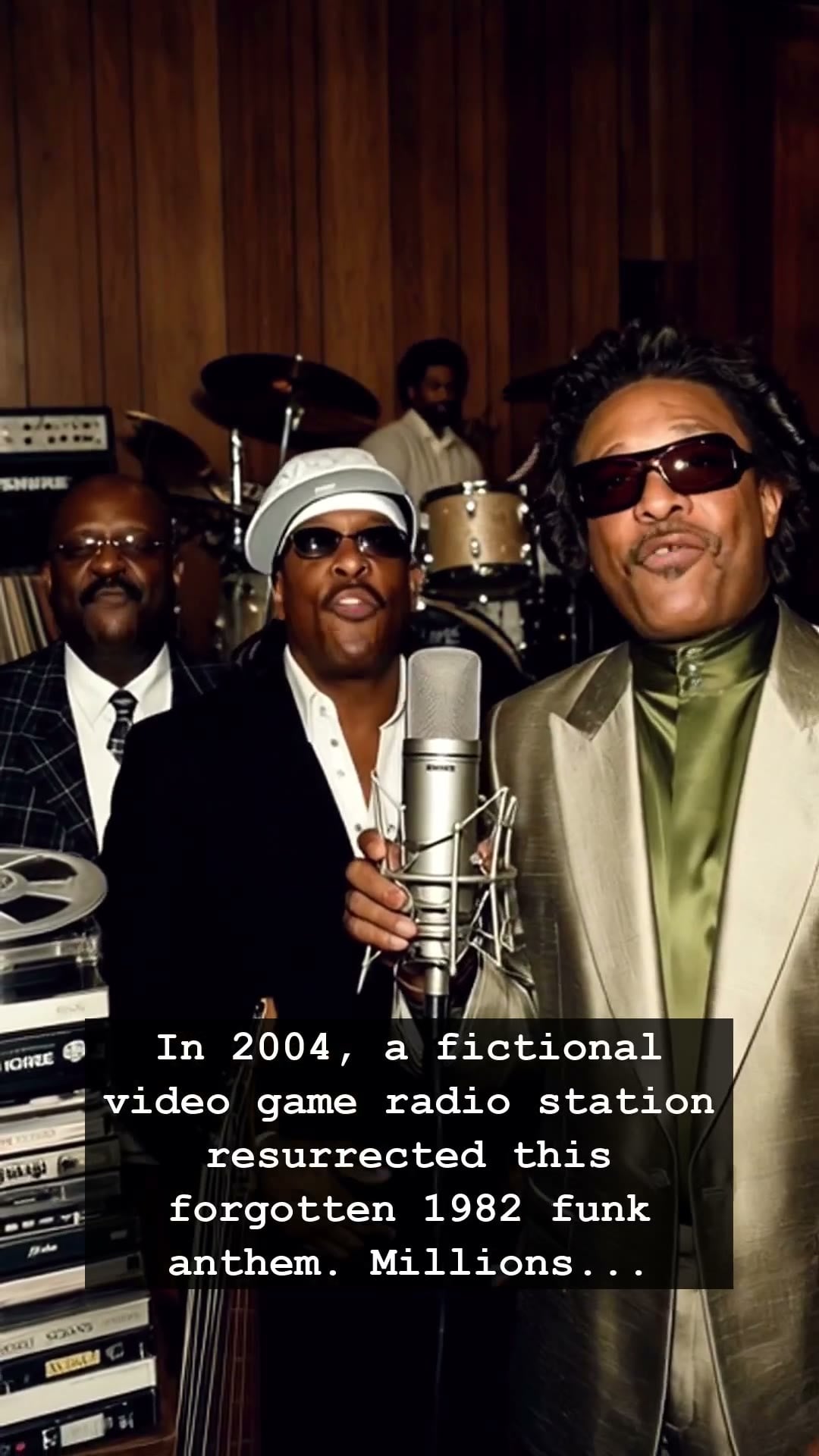
It was 2004, and the airwaves of a virtual Los Santos were buzzing with the crackle of a digital radio. For millions of teenagers picking up a controller for the first time, the world was a sprawling, pixelated playground. But amidst the chaos of high-speed chases and neon-drenched streets, something unexpected happened. A forgotten masterpiece from 1982 cut through the static, anchoring an entire generation to the undeniable, liquid groove of The Gap Band. It was a cultural resurrection that proved great music never truly dies; it just waits for the right frequency to return.
Long before the days of streaming algorithms and viral trends, The Gap Band was the heartbeat of the late seventies and early eighties funk scene. Formed by the Wilson brothers—Charlie, Ronnie, and Robert—in Tulsa, Oklahoma, the group brought a raw, street-level energy to the polished world of R&B. They didn’t just play music; they commanded it. By the time 1982 rolled around, the landscape was dominated by the slick production of the era, yet The Gap Band managed to craft tracks that were both heavy on the bass and light on the soul, defining the quintessential sound of a golden age.
The specific track that ignited this digital discovery remains a cornerstone of funk history. When players tuned into that fictional radio station, they weren’t just hearing a song; they were transported back to the era of Jukebox joints and roller rinks. The Gap Band had a unique ability to weave intricate horn arrangements with bubbling synthesizers, creating a sonic texture that felt both nostalgic and futuristic. It was the kind of music that made your skin prickle, a high-octane blend of grit and glamour that perfectly mirrored the high-stakes world of the video game it inhabited.
Yet, the story of The Gap Band is not merely one of chart-topping hits; it is a tale of resilience and artistic friction. Behind the smooth harmonies and infectious rhythms lay the typical pressures of fame that defined the eighties—the grueling tours, the internal conflicts of brothers working in the limelight, and the constant demand for the next big sound. Like many legends of their time, they navigated the murky waters of the music industry, sometimes losing their footing but always finding their way back to the stage. Their persistence is exactly why their influence remains so pervasive today, long after the synths of the eighties faded.
What makes the resurgence of The Gap Band so poignant is the bridge it built between two disparate worlds. A boomer who grew up dancing to their records in smoke-filled clubs and a millennial exploring the digital frontier for the first time were suddenly sharing the same rhythmic heartbeat. It serves as a reminder that the music we love is a living, breathing entity. Whether it is played on a dusty vinyl record or through a high-definition gaming console, the soul of The Gap Band remains intact, pulsing with the same life it had four decades ago. Next time you hear those opening notes, take a moment to lean in—you are listening to a piece of history that refused to be forgotten.