
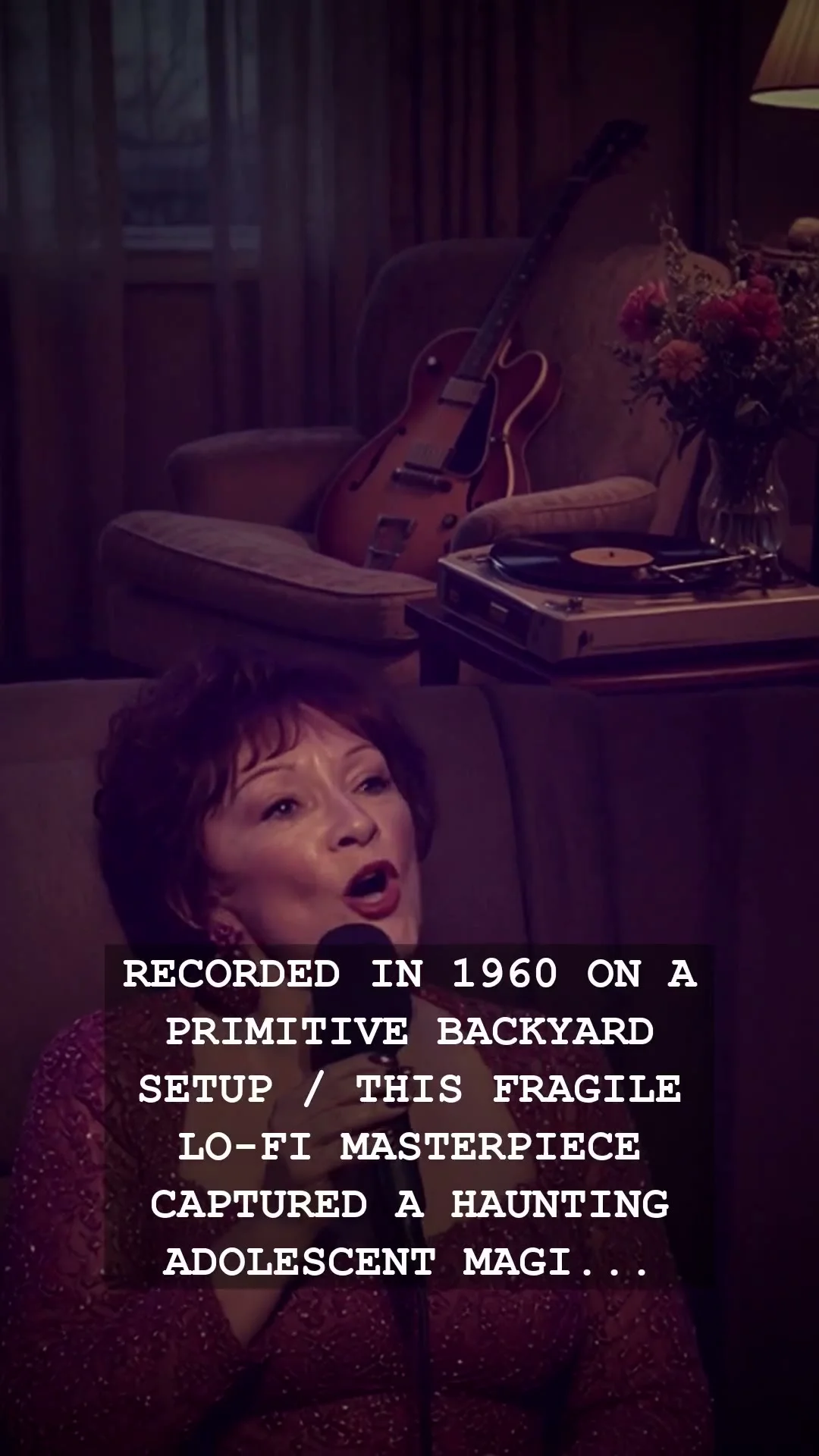
It was 1960, and the air was thick with the scent of blooming jasmine and the promise of a changing decade. In a cluttered backyard in San Diego, a young girl named Rosie Hamlin sat down before two primitive microphones, oblivious to the fact that she was about to etch a permanent scar into the heart of rock and roll history. There were no polished studios, no multi-track recording consoles, and no high-priced producers polishing the edges of the sound. There was only the raw, crackling atmosphere of a makeshift setup and a voice that felt like a secret whispered in the dark. The song was Angel Baby, a track so fragile and haunting that it defied every rule of the polished pop industry of its time.
Rosie and the Originals were never meant to be international icons. They were just teenagers chasing a fleeting dream, armed with guitars that had seen better days and a rhythm section that relied more on instinct than formal training. When the song first hit the airwaves, it arrived like a ghost from a different dimension. The recording quality was distinctly lo-fi, with a peculiar hiss that seemed to bridge the gap between the listener and the singer’s soul. It captured a specific kind of adolescent magic, a mixture of innocence and yearning that only the era of the jukebox and the high school dance could truly understand.
The song’s legacy is as mysterious as its origins. Despite the lack of professional equipment, Angel Baby managed to climb the charts, fueled by the sheer power of Rosie Hamlin’s emotive, trembling vocal performance. Even years later, the track maintained a grip on the greatest musicians of the century. John Lennon, a man who saw the rise and fall of countless stars, famously cited Rosie and the Originals as one of his all-time favorites. He recognized the truth in that backyard recording, a truth that no amount of studio engineering could ever replicate. It was a testament to the idea that raw emotion is the ultimate currency of music.
Behind the success of Rosie and the Originals, however, lay the bittersweet reality of 1960s fame. The band would eventually fracture under the weight of industry pressures, shifting contracts, and the sudden, jarring transition from backyard dreamers to Billboard names. It is a story repeated across the annals of music history, from the neon lights of Studio 54 to the grit of the burgeoning rock scenes. Yet, the song endured, surviving the shift from vinyl to cassette and beyond. It remains a time capsule, a fragile piece of glass that refused to shatter even as the culture around it evolved into the loud, chaotic energy of the coming decades.
Today, when we play that scratchy, beautiful recording, we are transported back to a time when music felt dangerous and intimate. Rosie and the Originals remind us that the most powerful art doesn’t always come from the sterile perfection of a professional booth. Sometimes, it comes from a backyard, two microphones, and the desperate, honest desire to be heard. Do you remember the first time those opening chords drifted through your speakers? Let us keep the needle down and listen again to the magic that time could never quite erase.