
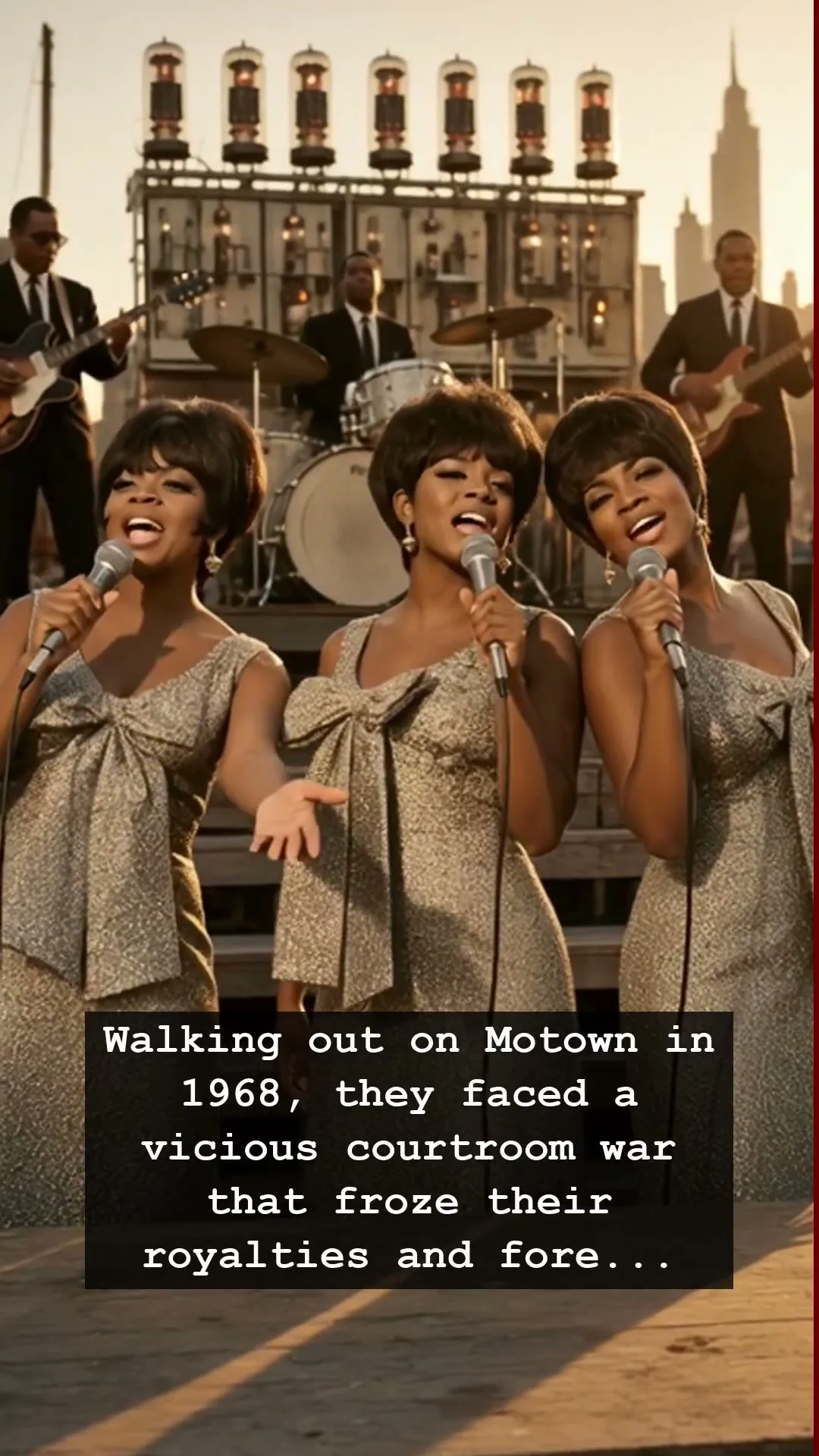
It was 1968, a year defined by societal tremors and cultural upheaval. While the world watched the flickering screens of early evening news, a quiet, seismic explosion was occurring within the walls of Hitsville U.S.A. The golden architects of the Motown sound, the legendary songwriting trio known as Holland Dozier Holland, made a decision that would send shockwaves through the industry. They walked out on Berry Gordy, leaving behind a hit-making factory they helped build. It was not just a resignation; it was a declaration of war that would freeze their royalties and force a bitter courtroom battle, forever changing the trajectory of soul music history.
For years, Holland Dozier Holland had been the heartbeat of Detroit. Their fingerprints were on everything, from the sweet, infectious melodies of The Supremes to the driving rhythm of the Four Tops. They weren’t just writing songs; they were crafting the soundtrack to the American Dream. Yet, beneath the polished veneer of glamorous stage outfits and perfectly choreographed routines, tensions were brewing. The creative friction between the trio and the Motown hierarchy became unsustainable. When the lawyers finally stepped in, the music stopped. The sudden absence of their Midas touch left a void that even the brightest stars of the label struggled to fill, signaling the end of an era where creativity and commerce were inextricably linked.
The subsequent litigation was brutal. It was a vicious courtroom war that stripped Holland Dozier Holland of their rights to their own compositions for years, serving as a cautionary tale about the dark side of fame and the ruthless reality of the music business. During this period, the industry shifted. The intimacy of the studio started to feel like a cage. As the era of the Jukebox began to fade into the rearview mirror and the looming dominance of MTV started to take shape, the soul of Motown felt different, haunted by the shadow of the legal storm that had played out behind closed doors.
What makes the story of Holland Dozier Holland so resonant today is the sheer human cost of their ambition. They weren’t just cogs in a machine; they were artists who dared to demand autonomy in an environment designed to suppress it. Their exit wasn’t merely a business dispute; it was a fight for the integrity of the soul genre itself. Their legacy remains etched into the grooves of every vinyl record from that golden age, a testament to a time when songs were crafted with raw emotion and unwavering precision.
Today, when we spin those classic tracks, we are listening to the echoes of that defiance. The grit and the drama that fueled Holland Dozier Holland are embedded in every bassline and every backing vocal. Their story serves as a reminder that the music we love is often forged in the fires of personal struggle and institutional conflict. It is a haunting, beautiful chapter of music history that continues to influence songwriters and dreamers alike, long after the final gavel fell.