
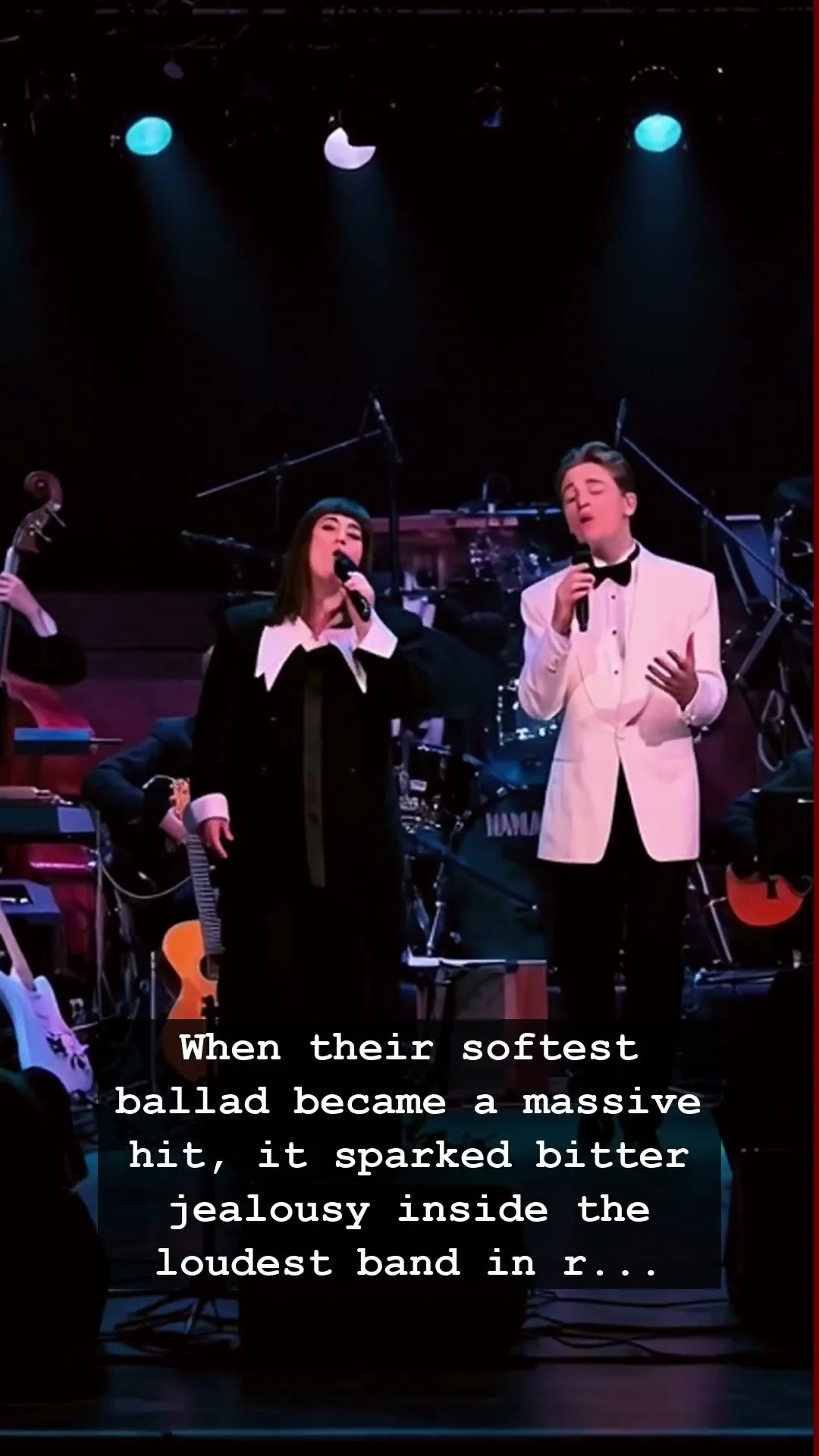
The year was 1976. The world was drenched in the neon glow of disco, yet four men in terrifying kabuki makeup and towering platform boots were conquering the airwaves with a sound that defied their chaotic, fire-breathing reputation. KISS was known for being the loudest band in rock history, a group that lived for pyrotechnics, blood-spitting, and anthems of excess. However, tucked away on their album Destroyer was a simple, haunting piano ballad called Beth. It was a song that would become their highest-charting single, yet it served as the catalyst for a cold, internal war that threatened to tear the band apart from the inside out.
Beth was never supposed to be the monster hit it became. Written largely by drummer Peter Criss and producer Bob Ezrin, the song was an intimate, vulnerable departure from the raucous hard rock that defined the band. When it hit the radio, the public fell in love with the softer side of KISS, propelling the track to number seven on the Billboard Hot 100. It even snagged a People’s Choice Award, a trophy that felt like a trophy of betrayal to the other members. While the fans were weeping along to the lyrics, the atmosphere backstage at every venue was thick with resentment. The irony was suffocating: the band that built an empire on shock rock was being defined by a tender piano melody they barely tolerated.
Gene Simmons and Paul Stanley, the primary architects of the KISS mythos, found themselves in an uncomfortable position. The song that brought them massive commercial validation was a song that didn’t fit their carefully curated sonic persona. The ego-driven machinery of the band began to grind against the newfound popularity of the drummer. For Peter Criss, the success of Beth felt like a long-overdue victory, but for his bandmates, it felt like an encroachment on their creative control. It highlighted a growing disconnect between the members, proving that even as they toured the globe, the camaraderie was fraying under the weight of ego and commercial pressure.
This tension was emblematic of the mid-70s rock scene, a time when bands were transitioning from underground rebels to global corporate entities. The success of Beth forced the members of KISS to confront their identity as musicians versus their identity as a brand. It was a classic rock-and-roll tragedy played out in hotel suites and sold-out stadiums across America. The jealousy was not just about the song; it was about the power dynamic of the band, a struggle that would eventually lead to the original lineup fracturing as they entered the shifting landscape of the decade.
Looking back, the story of Beth is more than just a footnote in classic rock history. It remains a poignant reminder of the hidden human cost of fame. Behind every stadium anthem and platinum record, there are bruised egos and quiet conflicts that fans rarely see. Today, whenever that familiar piano chord strikes, we are reminded of a band that was as much a battlefield as it was a musical powerhouse. Even now, the haunting melody lingers, telling the story of a hit that gave KISS everything they wanted, but cost them the peace they could never quite regain.