
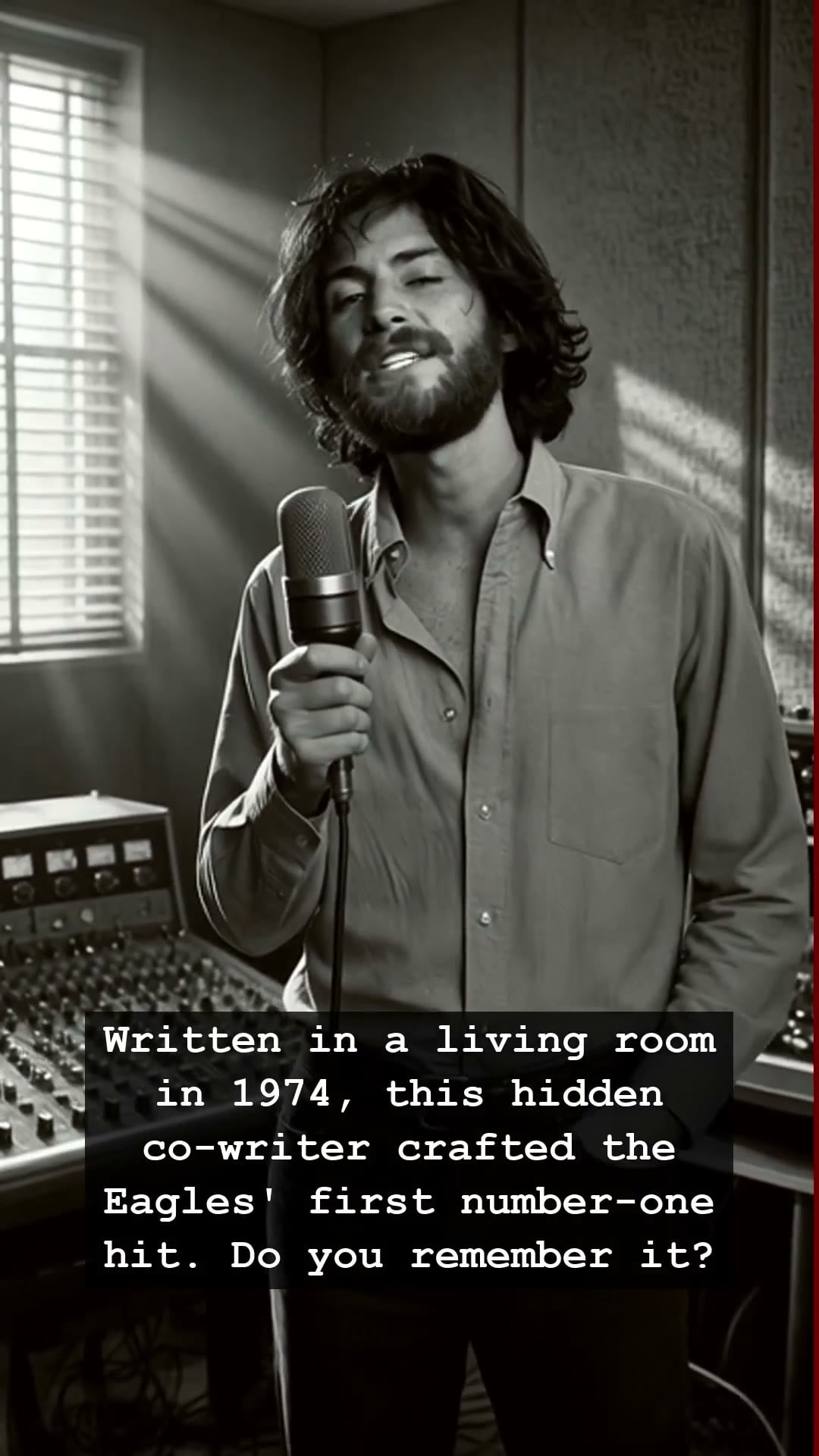
In the hazy, sun-drenched landscape of 1974 Southern California, while the rest of the world was catching the fever of stadium rock, a quiet revolution was taking place in a living room filled with cigarette smoke and the scent of expensive bourbon. Most people remember the Eagles for their polished harmonies and the swagger of the Sunset Strip, but there was a phantom architect behind their meteoric rise. His name was JD Souther, a man whose songwriting pen acted as a secret bridge between folk sensitivity and the burgeoning country-rock sound that would eventually define the decade. While the band captured the hearts of millions, it was the understated brilliance of JD Souther that gave them their first number-one hit, Best of My Love.
To understand the magic of JD Souther is to transport yourself back to a time before digital perfection. Back then, the industry relied on the Jukebox and the spinning vinyl, where a song had to hit you in the chest within the first three seconds to matter. JD Souther wasn’t looking for the spotlight; he was an expert in capturing the bittersweet ache of loneliness—a recurring theme in his collaborative work with the Eagles and his close friend, Jackson Browne. He was the quintessential songwriter’s songwriter, a man who preferred the comfort of a dimly lit studio to the chaotic roar of the sold-out arenas that the Eagles would soon dominate.
The story of their collaboration is one of mutual creative obsession. The Eagles were refining their sound, moving away from their harder country edges toward a more radio-friendly, melancholic maturity. When JD Souther sat down to help shape the melody and lyrics for their breakout success, he brought a level of emotional vulnerability that turned a standard rock track into an eternal anthem. He understood, perhaps better than anyone, that the music of that era—the golden age of the 70s—was never just about the melody. It was about the confession hidden within the chorus, the heartbreak of a love left in the rearview mirror as you drove down the Pacific Coast Highway.
Yet, the shadow of fame was heavy, even for those working behind the scenes. JD Souther lived through the drug-fueled decadence and the high-pressure stakes of an industry that chewed up talent as quickly as it minted it. He witnessed the band’s internal fractures firsthand, the ego clashes that would eventually tear the legendary lineup apart, yet he remained a steady, creative anchor. His work remains a testament to a time when lyrics carried the weight of literature and a simple acoustic guitar could spark a movement.
Even today, in an age where everything is accessible at a tap, there is something deeply grounding about the songs JD Souther helped bring to life. They evoke a phantom nostalgia for a California that perhaps never truly existed, a place where the sun was always setting and the music always felt like home. When you hear that opening chord of Best of My Love, you aren’t just hearing a chart-topping hit; you are hearing the echo of a living room in 1974, and the quiet, brilliant contribution of a man who wrote the soundtrack of our collective memory.