
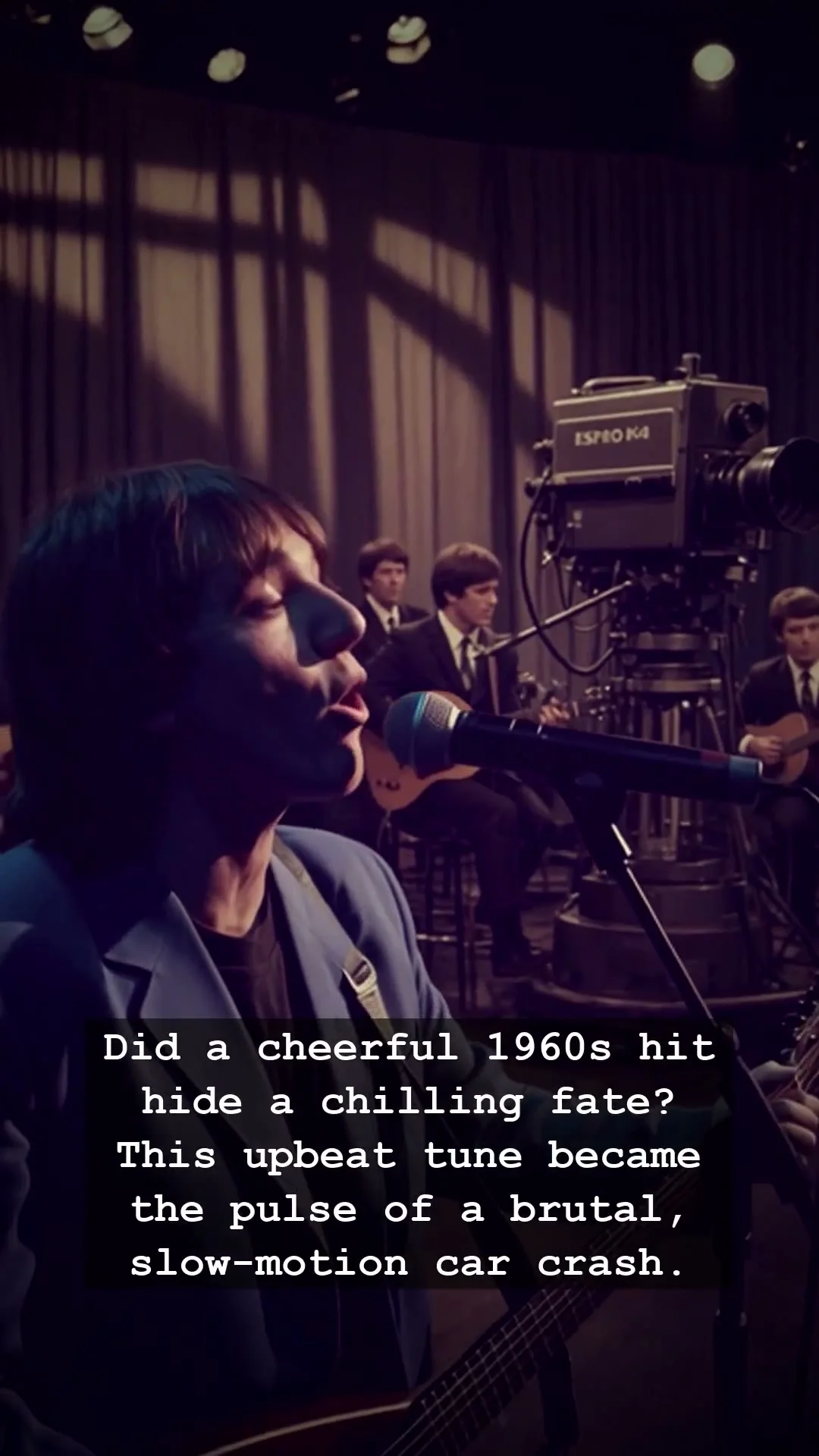
In the vibrant, technicolor landscape of the mid-1960s, the British charts were dominated by a band with a name as long as their list of hits: Dave Dee, Dozy, Beaky, Mick, and Tich. With their quintessentially upbeat sound and cheeky, infectious melodies, they seemed like the perfect soundtrack for a generation obsessed with the burgeoning pop revolution. Teenagers across the UK and beyond tuned into their radio sets, oblivious to the fact that their breezy chart-toppers were destined to be repurposed in ways that would send shivers down the spine of history. They were the masters of a specific brand of joy, but fame in the swinging sixties was rarely just sunshine and pop records.
While songs like The Legend of Xanadu climbed the charts, the band members themselves were living the fast-paced, often grueling reality of stardom. They traversed the country, fueled by the energy of live performances and the relentless demands of the music industry. Behind the glossy, promotional photos of Dave Dee, Dozy, Beaky, Mick, and Tich lay a reality of exhaustion and the intense pressure to keep churning out hits. Yet, it was not their personal struggles that cemented their strange legacy, but rather the haunting way their music was eventually decontextualized by cinema to depict moments of profound, slow-motion catastrophe.
Decades later, the upbeat nature of their hits became an ironic, eerie backdrop for dramatic storytelling. A legendary director famously seized upon the pulsing rhythm of one of their tracks, turning it into the auditory pulse of a brutal, cinematic car crash. The juxtaposition was jarring. The audience, expecting the innocent nostalgia of the 1960s, was suddenly confronted with a scene of absolute wreckage, scored perfectly by the very pop tune they once danced to. It transformed a song about sunshine into an anthem of sudden, violent finality, forever altering how we hear the work of Dave Dee, Dozy, Beaky, Mick, and Tich today.
This shift in perspective captures the volatile nature of musical legacy. What was meant to be a transient hit, destined to be spun on a dusty jukebox, became a permanent feature of a dark, visceral cinematic moment. It serves as a reminder that the songs of the sixties were not merely wallpaper for our youth; they were cultural artifacts that could be bent, broken, and reassembled to reflect the deeper, often darker anxieties of later generations. The tragedy and the triumph of the band are now inextricably linked to this haunting transformation.
Today, we look back at Dave Dee, Dozy, Beaky, Mick, and Tich not just as a footnote in British rock history, but as an enduring enigma. Their story bridges the gap between the naive, high-energy optimism of the sixties and the cynical, complex narratives of modern film. When you listen to their work, you can still hear the shimmer of the studio era, but you might also catch a glimpse of the shadows that have gathered around their melodies over time. The next time you find yourself swaying to a forgotten sixties beat, remember that some tunes hold secrets far deeper than the rhythm implies.