
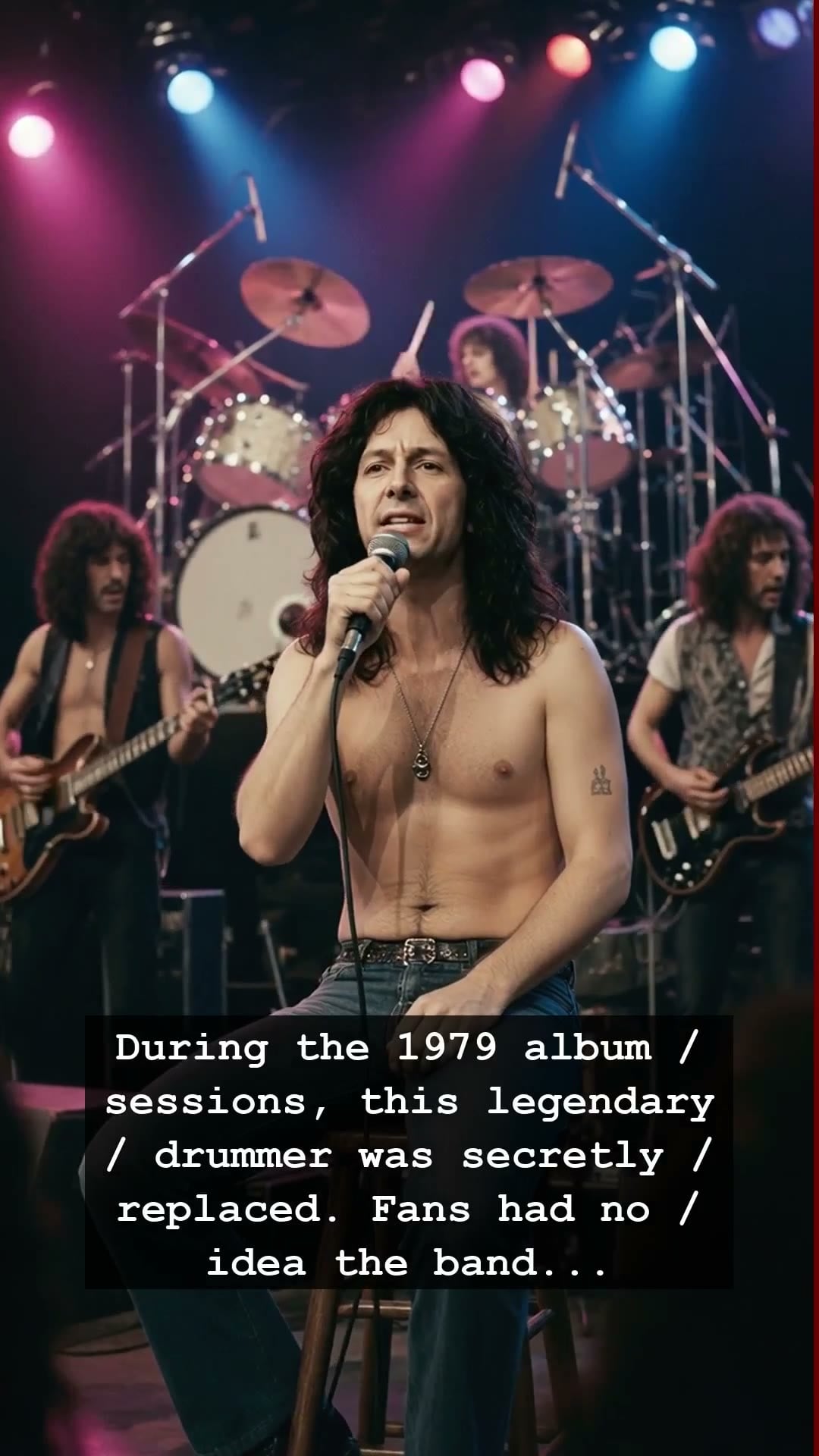
Imagine the year is 1979. The air is thick with the scent of hairspray, cheap beer, and the electric tension of a rock band on the brink of implosion. Kiss, the face-painted juggernauts of Arena Rock, were supposed to be riding the wave of their colossal success. Yet, behind the polished facade of the Dynasty era, the band was rotting from the inside out. Fans lining up to buy the latest records had no idea that the thundering heartbeat they heard on the tracks was, in some cases, not the man they saw on the album cover. Peter Criss, the Catman, was already a ghost in his own band, his seat at the drum kit being quietly occupied by session musicians while the world was none the wiser.
By 1979, the pressures of fame had transformed the gritty New York rockers into exhausted icons. The studio sessions for their upcoming material became a battlefield where ego, addiction, and creative exhaustion collided. Peter Criss, once the soulful rhythm behind classics like Beth, found himself physically and mentally detached from his bandmates. The brotherhood that had propelled them from dive bars to sold-out arenas had fractured into a cold, transactional silence. It was during these tense sessions that the decision was made—a decision that would remain a closely guarded secret from the public for years to come. In the shadows of the studio, other drummers were brought in to perform the parts that the Catman was allegedly too broken to play.
The irony of this era is palpable. While the band promoted a united front, the reality was a desperate scramble to maintain the Kiss image. They were selling a product that was essentially a house of cards, and Peter Criss was the most fragile piece of the structure. It was a classic tale of the dark side of rock stardom: the isolation that follows when the applause dies down and the stage lights dim. When the records hit the shelves, fans heard the familiar snap of a snare and the familiar roar of the kit, never suspecting that the man behind the makeup was being phased out of his own legend.
Reflecting on this moment, it serves as a stark reminder of the fragile humanity beneath the theatrics. The 1970s were a time of excess, where the lines between reality and performance blurred into one long, strobe-lit blur. Peter Criss represented the human element of that era—the struggle between being a rock god and just another person losing their way. This secret replacement wasn’t just a technical maneuver; it was the beginning of the end for the original quartet, a crack in the foundation that would eventually lead to their total collapse.
Today, these stories continue to fascinate us because they reveal the truth behind the myth. We love the music of the late 70s, but we crave the drama that birthed it. It is the human imperfection, the quiet tragedies, and the behind-the-scenes betrayals that make these tracks resonate even now. As we listen to those old records, we are not just hearing rock and roll; we are hearing the echo of a time when the stakes were everything. Next time you drop the needle on a vintage record, remember the silent struggles that happened off-mic, and tell us: do you think the magic of the music matters more than the truth of who played it?