
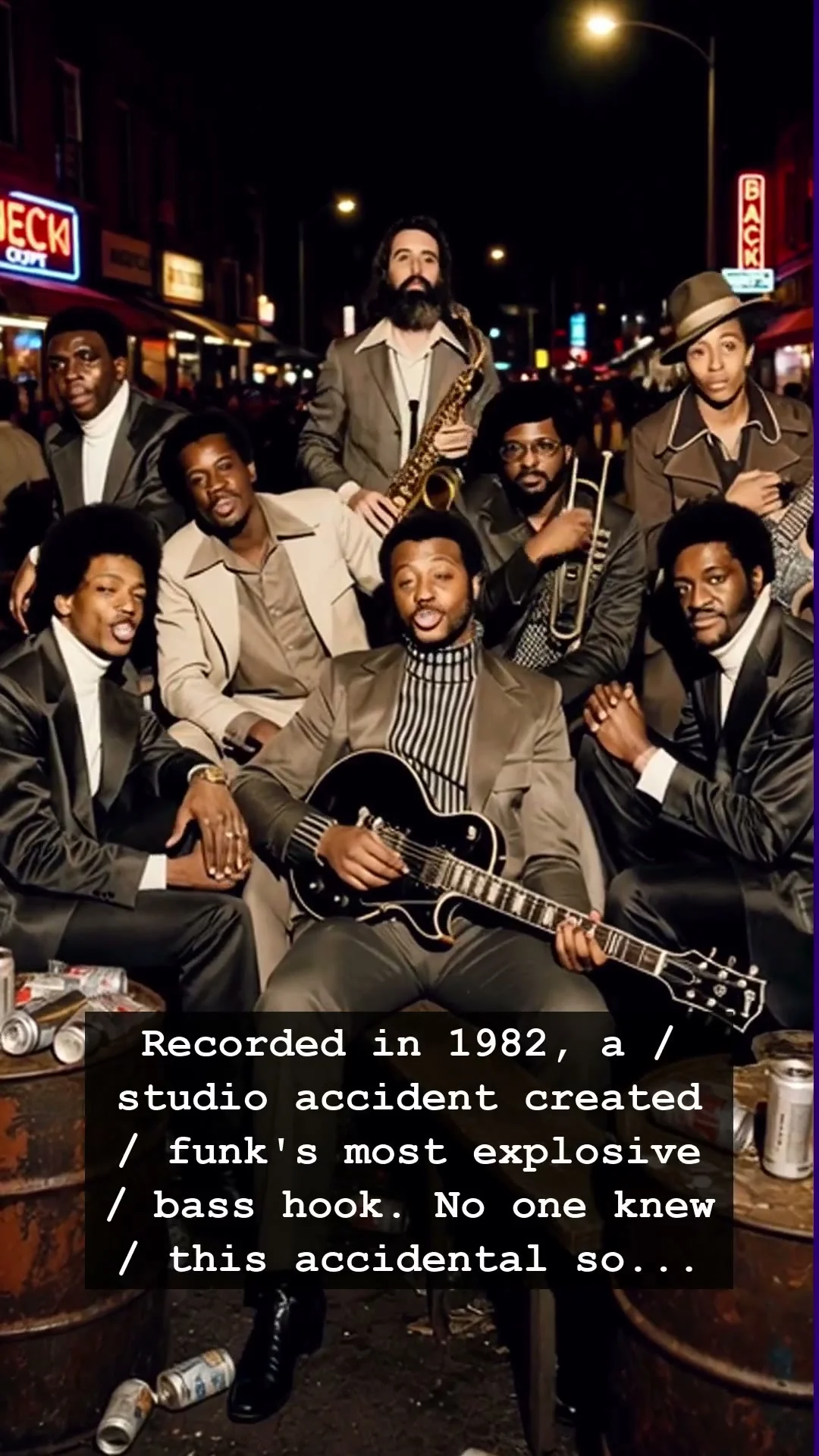
It was 1982 in a dimly lit Los Angeles recording studio, a time when the scent of hairspray hung heavy in the air and the synthetic revolution was just beginning to take hold of the charts. The Gap Band, those masters of groove, were deep in the creative trenches, trying to find a sound that could bridge the gap between soulful R&B and the emerging digital funk landscape. Little did they know that a simple, clumsy turn of a knob on a synthesizer would trigger a sonic seismic shift that would rattle dance floors from California to New York.
The atmosphere was thick with the intensity of late-night sessions, the kind where fatigue often meets creative desperation. As the band wrestled with their equipment, a sudden studio accident occurred—a jarring, mechanical misfire that sent a distorted, jagged frequency tearing through the speakers. In most cases, this would have been dismissed as mere noise, an unwanted error to be scrubbed from the master tape. But The Gap Band heard something else in that metallic shudder. They heard an explosive, rhythmic potential that felt raw, dangerous, and undeniably danceable.
That accidental spark became the heartbeat of their next smash hit, an iconic bass hook that defined the sound of the early eighties. In an era when the Walkman was becoming the soundtrack to our lives and the neon glow of the disco ball was fading into the sophisticated sheen of MTV, this sound felt like the future. It was dirty, thick, and pulsating with a swagger that only The Gap Band could deliver. By embracing that moment of chaotic chance, they managed to capture the very essence of the urban dance floor before the digital era sanitized our musical landscape.
Looking back at the history of funk, it is fascinating how many legendary tracks were born not from careful planning, but from pure, unadulterated spontaneity. The Gap Band didn’t just record a song; they captured a volatile moment in time. This wasn’t just about synthesizer programming or high-end production; it was about the intuition of artists who knew when to lean into a mistake. It reminds us of a time when music felt tactile, a physical force that hit you in the chest the moment the needle dropped on the record.
Decades later, that legendary bass hook still commands attention, standing as a testament to the magic that happens when artists refuse to play it safe. Whether you heard it for the first time in a smoky club or through the headphones of your portable cassette player, the groove remains as infectious as it was forty years ago. It serves as a beautiful, dusty reminder of the serendipity that makes music history so endlessly compelling. Do you still find yourself moving the moment those first notes hit the speakers?