
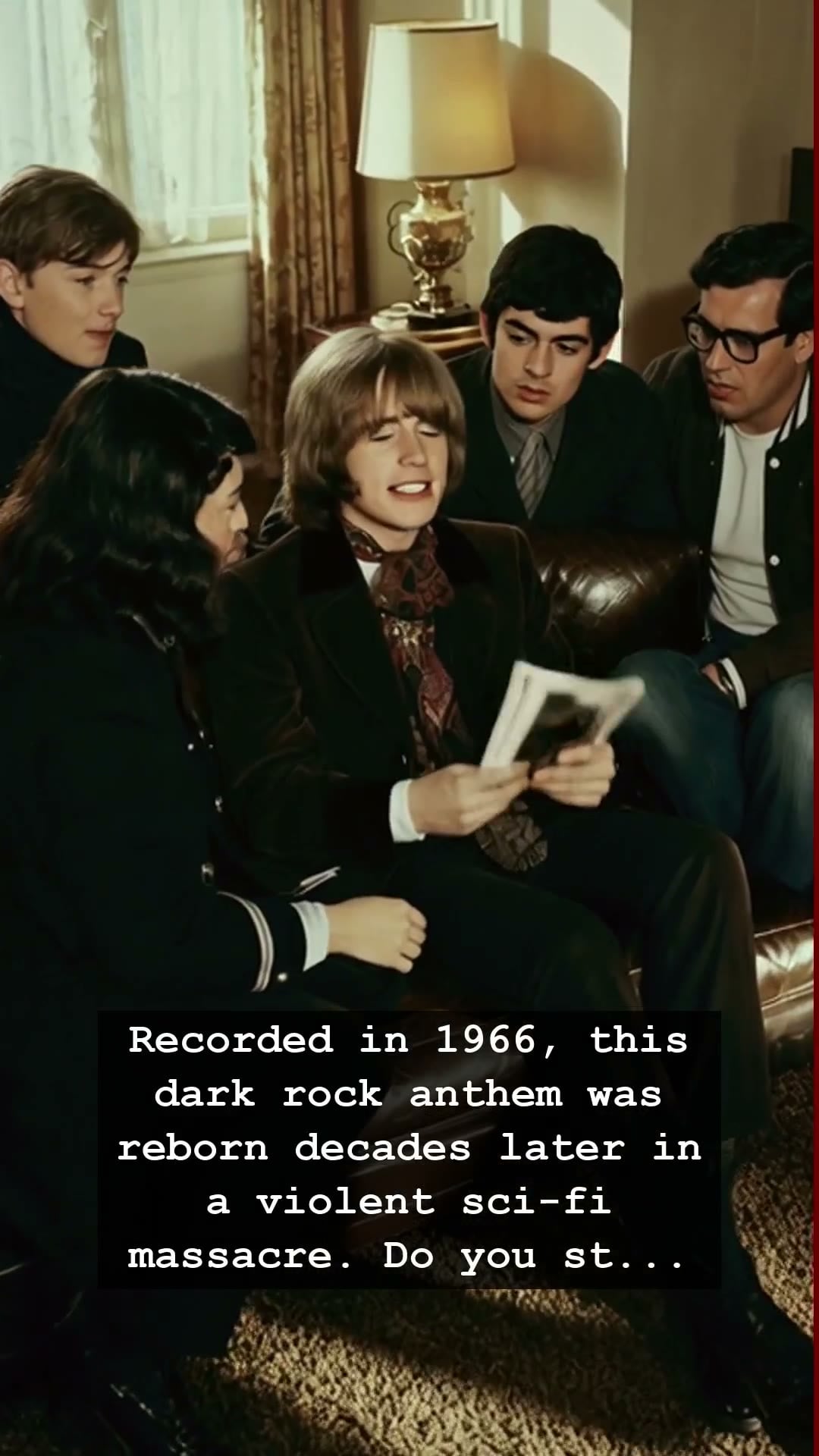
It started as a rhythmic, sitar-drenched nightmare in the summer of 1966, a song that felt like it was clawing its way out of the speakers to haunt the listeners of the British Invasion era. When The Rolling Stones released Paint It Black, it wasn’t just a hit; it was a psychological shift. Mick Jagger and Keith Richards had captured something primal, a jagged, grief-stricken melody that stood in stark defiance of the colorful optimism of the sixties. For those who remember the crackle of a dusty 45-rpm record or the warm, distorted glow of a mid-sixties jukebox, the song remains a visceral reminder of a time when rock music was dangerous, unpredictable, and entirely unafraid of the shadows.
The genius of Paint It Black lies in its relentless, driving pulse. Brian Jones’s pioneering use of the sitar didn’t just add a touch of world-music flair; it gave the track a disorienting, hypnotic quality that elevated it far above the standard pop fare of the era. While other bands were singing about holding hands or sunny afternoons, The Rolling Stones were diving deep into the abyss of depression and loss. It was a bold artistic statement that solidified their reputation as the anti-Beatles, the bad boys of rock who weren’t looking for love, but for the truth hidden in the dark corners of the human experience.
Decades later, the song’s dark charisma found a second life, shedding its sixties skin to become a centerpiece of cinematic violence. Many modern listeners were introduced to the haunting piano-led, orchestral arrangements of the song during a brutal, slow-motion sci-fi massacre that reimagined the track as a symphonic nightmare. This rebirth proved that the work of The Rolling Stones was not tethered to a single moment in time. Like the finest works of literature, their music transcends the vinyl it was pressed on, adapting to the screen to underscore scenes of chaos and existential dread with a chilling, effortless grace that remains unmatched.
The cultural footprint of this masterpiece is immense. From the smoky haze of late-night clubs to its inclusion in high-budget modern blockbusters, Paint It Black continues to resonate with audiences who crave authenticity. It captures the frantic, restless energy of the sixties—a time when the youth were questioning everything, and The Rolling Stones were there to provide the soundtrack for the interrogation. It is a reminder of a period where rock and roll was a genuine, life-altering force rather than a background aesthetic.
Today, when those iconic opening notes strike, we are instantly transported. We are back in an era of rebellion, where the music was raw, the fashion was loud, and the soul of rock was forged in the heat of studio intensity. It is a testament to the enduring power of The Rolling Stones that this song still vibrates with the same intensity it had over fifty years ago. Whether you are listening on a vintage stereo or through modern headphones, the dark magic of this anthem refuses to fade away. It lingers in the air, a reminder of the legends who dared to paint the world in their own defiant colors.