
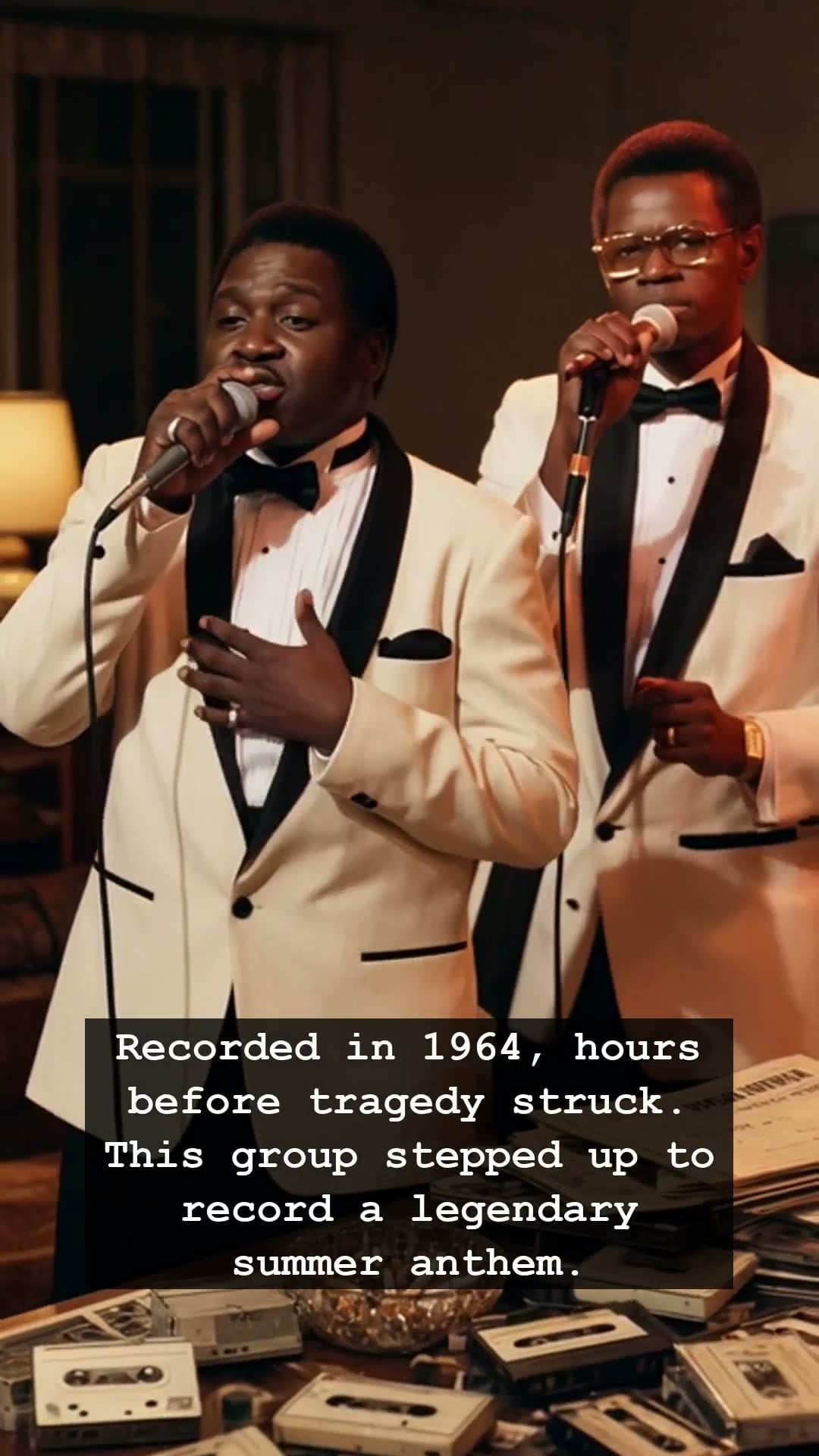
Imagine the atmosphere in a sweltering New York recording studio during the summer of 1964. The air was thick with the scent of cigarette smoke and the palpable weight of grief. For The Drifters, one of the most iconic vocal groups of the golden era, this was not just another session. Only hours earlier, the music world had been rocked by the sudden, tragic passing of their lead singer, Rudy Lewis. He had been found dead in his hotel room at the age of 27, just the night before he was scheduled to record a song that would soon become a defining anthem of the decade. The band stood at a crossroads, mourning a brother while the ticking clock of the music industry demanded their presence.
Most bands would have walked away, but the show, as they say, must go on. With the ink barely dry on the sheet music for Under the Boardwalk, the remaining members of The Drifters stepped up to the microphone. It is a haunting thought to realize that the breezy, optimistic rhythm of that song was captured while the group was still reeling from the shock of losing their voice. Johnny Moore, who had only recently returned to the fold, stepped into the lead vocal booth. The result was not just a hit, but a masterclass in professional resilience. You can almost hear a layer of melancholic soul beneath the surface if you listen closely to the production, a testament to the emotional intensity of that summer day.
This was an era defined by the crackle of the Jukebox and the promise of endless sunshine, but behind the velvet curtains of the 1960s, the lives of these legends were often marked by instability. The Drifters were famous for their revolving-door lineup, a source of constant friction and creative turnover that left many members exhausted. Yet, in that specific moment, the collective spirit of the group transcended the drama. The song soared to the top of the charts, becoming a quintessential soundtrack for beach lovers and teenagers huddled around transistor radios across America. It captured a fleeting feeling of escape, masking the heavy reality of a band grieving in the dark.
Today, when we hear the opening notes of Under the Boardwalk, it transports us back to a time when music felt tactile and deeply human. It reminds us that behind every polished record played on the radio, there were real people navigating the harsh realities of fame and loss. The Drifters remain a symbol of that transition from the doo-wop foundations to the sophisticated soul of the mid-sixties. Their ability to deliver such a joyful track during their darkest hour remains one of the most poignant stories in music history.
As we look back at the 1964 landscape, The Drifters stand as a reminder of how art often arises from the most unexpected intersections of light and shadow. Their legacy is not just in the records they sold, but in the strength it took to keep singing when the world felt like it was falling apart. Next time you hum along to those famous lyrics, take a second to honor the voices that stayed silent, and those who stepped up to ensure the music never faded away.