
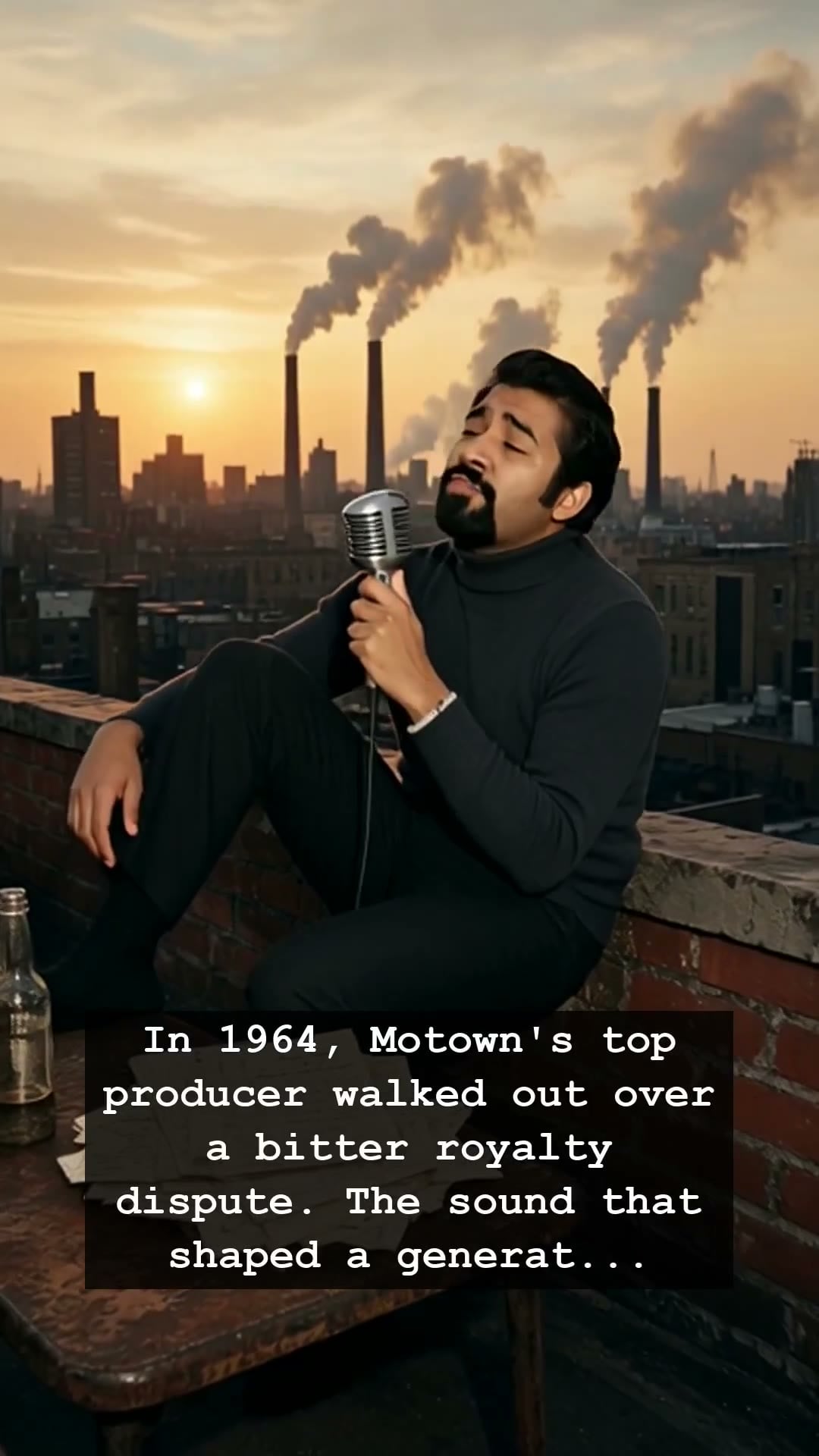
The year was 1964, and the airwaves across America were humming with a sound that felt like pure sunshine captured in vinyl. From the glowing Jukeboxes in roadside diners to the transistor radios held tight in sweaty palms, the Motown sound was unstoppable. Yet, behind the polished melodies and the shimmering gowns of The Supremes, a storm was brewing in the heart of Hitsville U.S.A. Brian Holland, one-third of the legendary production powerhouse Holland-Dozier-Holland, reached a breaking point that threatened to bring the entire Motown empire to its knees. Over a bitter, deeply personal dispute regarding royalties, this mastermind simply walked out, leaving the studio’s future dangling by a thread.
To understand the magnitude of this departure, you have to remember what Brian Holland represented. He was the architect of the soul-pop aesthetic, the man who knew exactly how to layer a tambourine and a bassline to create a song that felt both like an old friend and a new discovery. As part of the songwriting trio that crafted hits like Where Did Our Love Go and Baby Love, Brian Holland was the secret sauce behind the label’s meteoric rise. When he walked out, it wasn’t just a business disagreement; it was an artistic hemorrhage. For those few agonizing days, the world wondered if the golden era of soul would suddenly freeze in time, leaving us with nothing but a haunting silence where the beat used to be.
The tension was thick with the weight of unpaid royalties and the feeling of being treated like a cog in a corporate machine rather than the creative heartbeat of a culture. It is a story as old as the music industry itself—the clash between the raw, vulnerable art of the creator and the cold, unyielding arithmetic of the boardroom. Brian Holland stood at the center of this hurricane, fighting for the recognition that his genius deserved. You can almost hear the quiet pain of that era in the songs of the time, the yearning hidden behind upbeat tempos, reflecting the very real friction happening behind the studio doors.
We often look back at the sixties through a lens of rose-colored nostalgia, forgetting the grit and the high-stakes battles that defined the landscape. Motown was a pressure cooker, and Brian Holland was the valve that almost blew the lid off. Had he stayed away, the trajectory of American pop music would have been irrevocably altered. Perhaps The Supremes, The Four Tops, and Martha and the Vandellas would have lacked that definitive, punchy brilliance that defined their classic recordings. The world would have been deprived of countless anthems that soundtracked the civil rights movement and the changing social tides of the decade.
Ultimately, the rift was mended, and Brian Holland returned to continue his streak of legendary hits, but the scar remained. The drama, the betrayal, and the frantic effort to keep the music playing remain a vital, often ignored chapter of music history. Even now, when a classic track plays on an old-school turntable, I find myself thinking about that walkout. I think about the man who dared to challenge the machine, ensuring that the sound of a generation didn’t just fade into the background noise of history. Next time you hear a Holland-Dozier-Holland hit, listen closely for the heartbeat—it is the sound of a legacy that almost wasn’t.