
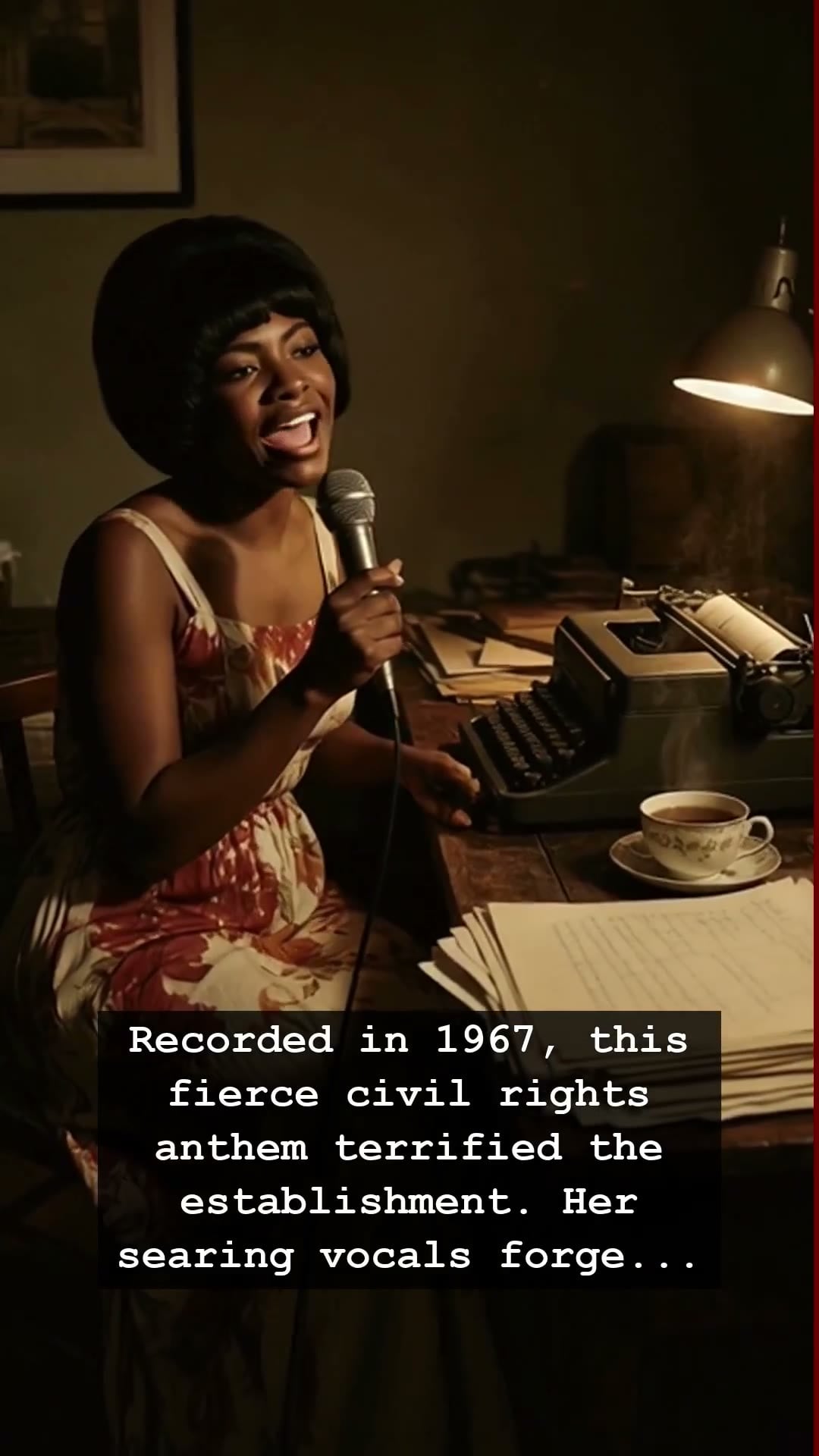
In the sweltering heat of the mid-sixties, while the nation found solace in the polished pop of the radio, Nina Simone was crafting a different kind of sound. It was 1967, and the air was thick with the scent of burning cities and the unspoken tension of a fractured society. While the rest of the world was transitioning from the innocent jukebox melodies of the early decade toward the neon pulse of the approaching Disco era, Nina Simone stood alone in the studio, her voice a serrated blade meant to pierce through the silence of institutional indifference. She was not just a singer; she was a witness, and her music was a weapon forged in the fires of raw, unvarnished rage.
To listen to her work from that period is to step into a time capsule of defiance. Nina Simone possessed a rare, terrifying ability to channel the collective trauma of a generation into a single, haunting melody. While others were comfortable singing about love and heartbreak, she was singing about the reality of existing in a country that refused to acknowledge her humanity. Her records were never meant to be background noise for a cocktail party; they were demanding, confrontational, and deeply uncomfortable for the establishment of the time. When those searing vocals hit the airwaves, they didn’t just entertain—they shook the very foundations of the American cultural landscape.
There is a profound, almost mystical weight to the way Nina Simone delivered her messages. She was a classically trained pianist who could have easily spent her life playing in the refined chambers of high society, yet she chose the front lines of the civil rights movement. Behind the scenes, the pressure of fame, the weight of systemic racism, and the internal battles she fought in private studios created a volatile energy that spilled over into her recordings. It was this authentic, turbulent spirit that made her voice so dangerous to those in power. She was the antithesis of the polished, commercialized performers that would later populate the age of MTV.
Her legacy remains a stark reminder of what music can achieve when it is tethered to the truth rather than the bottom line. Long before the era of synthesized pop and the grandeur of Arena Rock, Nina Simone proved that a voice alone could spark a revolution. She walked a lonely path, often isolated by the very industry that profited from her talent, yet she never wavered. Her commitment to her art was a quiet, constant rebellion against a world that preferred her to be decorative rather than revolutionary.
Even today, decades after those 1967 recording sessions, her presence resonates with a haunting clarity. We often look back at the past through the sepia-toned glass of nostalgia, but the songs of Nina Simone are far from dusty relics. They are urgent, biting, and as relevant today as they were when they first terrified the status quo. If you listen closely, past the surface of the melody, you can still hear the echoes of a woman who dared to tell the truth when the world was begging her to keep it hidden.