
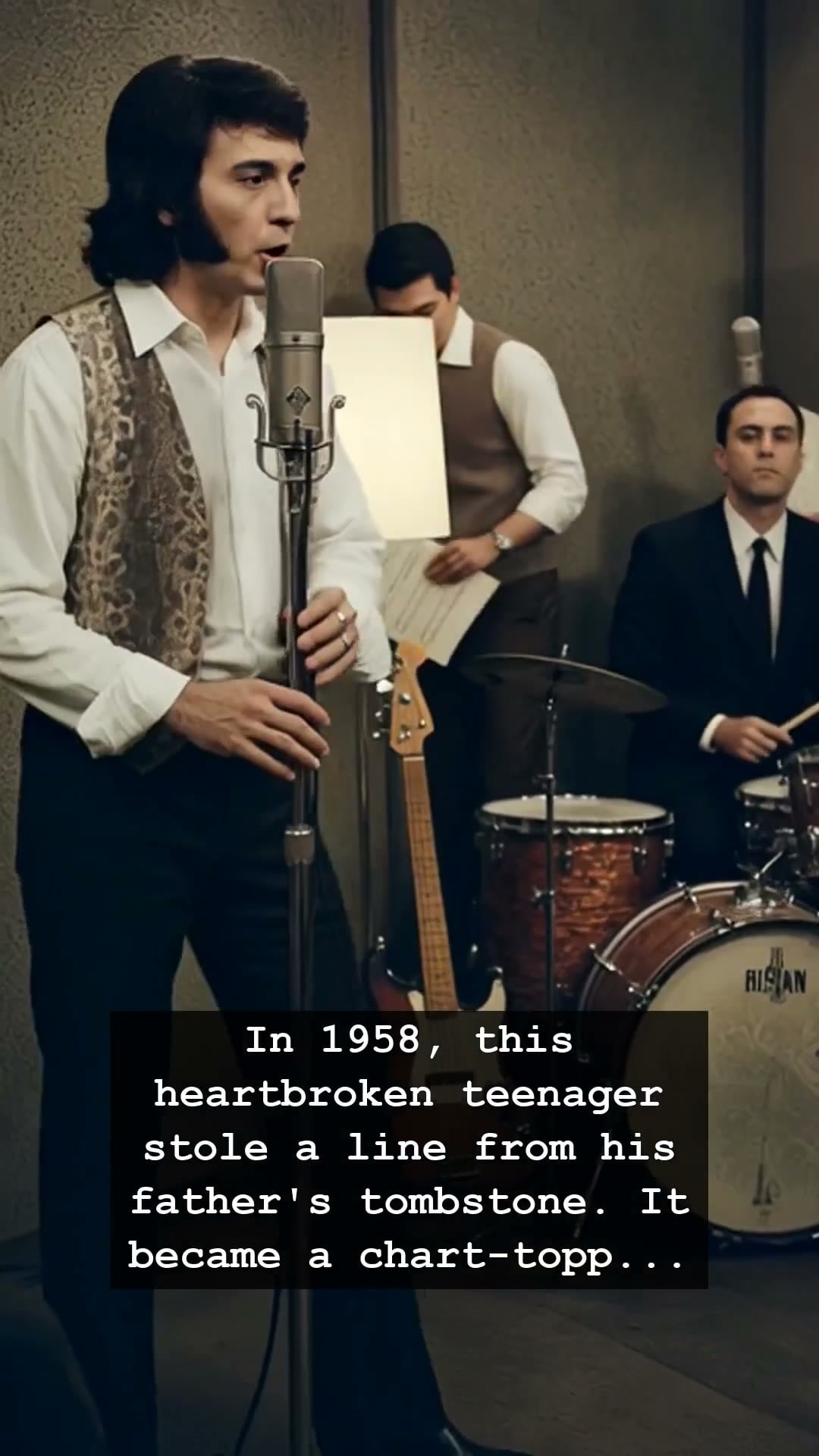
In 1958, a shy, grieving teenager walked through a cemetery, his eyes locked on a cold, granite headstone. The epitaph etched there was a message from a father to his son, a final piece of advice that would haunt the boy for the rest of his life. Little did anyone know, this macabre childhood trauma would become the creative spark for a future musical titan. The song was To Know Him Is to Love Him, a track that climbed to the top of the charts and defined the teenage yearning of the late fifties. That teenager was Phil Spector, a man who would eventually redefine the sound of American music, even as he descended into a darkness that would forever overshadow his genius.
Before the grandeur of the Wall of Sound filled the airwaves, Phil Spector was just a boy grappling with an unbearable loss. He took the very words from his father’s grave—To Know Him Is to Love Him—and turned them into a melancholic ballad that captured the innocence of the jukebox era. It is chilling to consider how a teenager, still reeling from the shock of sudden death, could channel such profound sorrow into a pop masterpiece. This song was not just a hit; it was a ghost story set to a melody, a bittersweet introduction to the man who would eventually produce some of the most intricate arrangements in the history of rock and roll.
As the fifties bled into the vibrant sixties, Phil Spector became the architect of a sonic revolution. He transformed the recording studio into a sanctuary, layering instruments and vocals to create a thick, orchestral density that made every radio sound like a grand performance. From the Ronettes to the Righteous Brothers, he demanded perfection, often driving his artists to the brink in his quest for an elusive, heavenly sound. Yet, the same intensity that made his records legendary was also a manifestation of the inner turmoil he carried since his youth. The brilliance of his work often masked a volatile personality, a sharp contrast to the polished pop tunes that dominated the airwaves of the era.
Looking back at his meteoric rise, it is impossible to separate the music from the man. Phil Spector remains one of the most enigmatic and polarizing figures in music history. While we dance to the echo of his classic hits, we are also reminded of the heavy price of perfection. His story is a testament to how deep-seated trauma can fuel artistic obsession, turning a mournful epitaph into a cultural phenomenon that resonated across generations. It is a reminder that the songs we hold dear often come from places of profound human frailty.
Today, when you hear those opening chords, remember the teenager in the cemetery. The brilliance of Phil Spector continues to echo in our culture, serving as a dark, beautiful legacy of a bygone musical age. Every time we spin a vinyl record, we aren’t just listening to a melody; we are unlocking a moment in time where sorrow was transformed into something eternal. Do you remember the first time this song touched your heart, and does its haunting origin change the way you hear it now?