
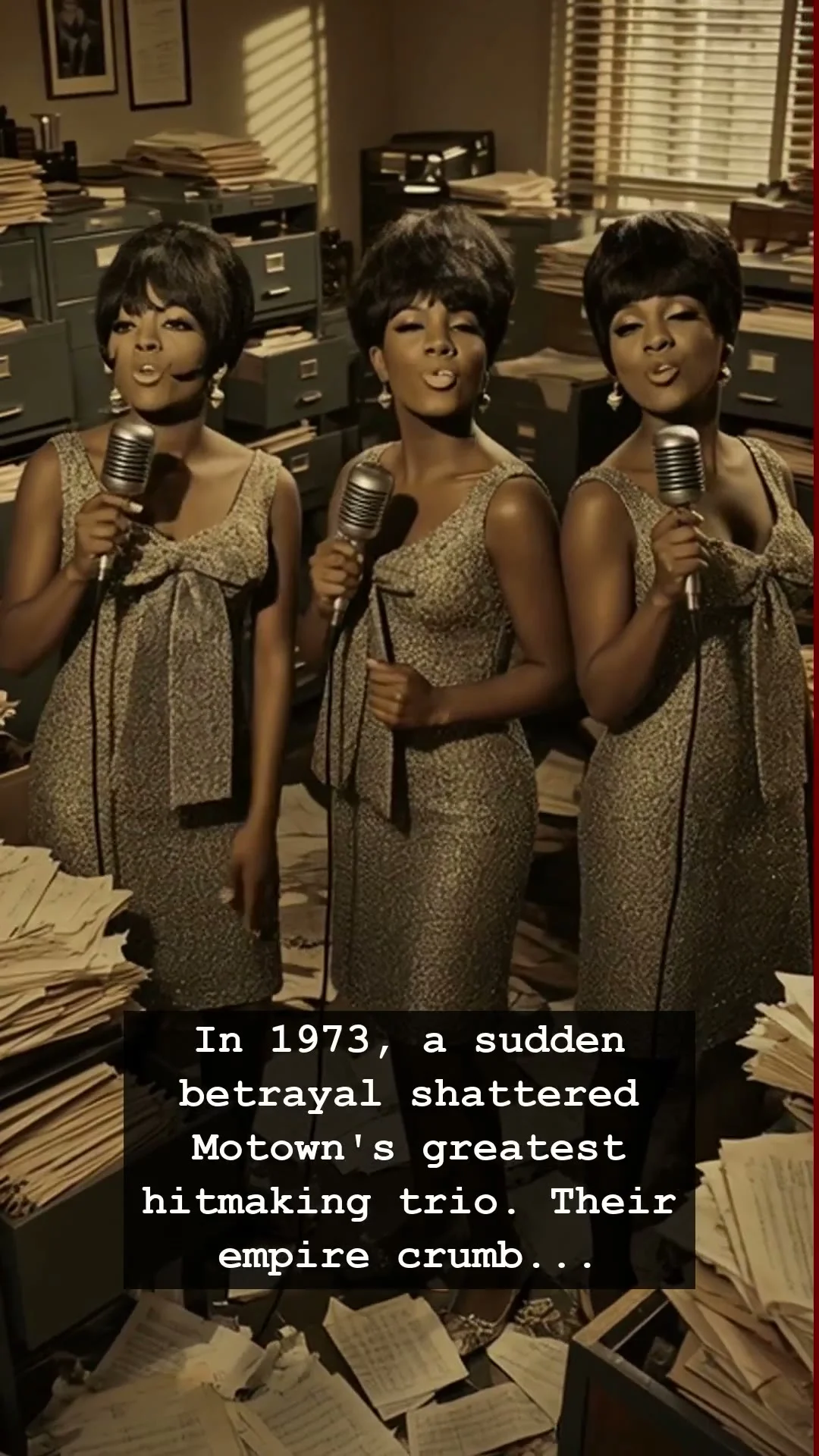
Imagine the scene in Detroit, 1973. The sound of the era was defined by a specific, shimmering rhythm—a heartbeat that pulsed through every transistor radio and car jukebox from Motor City to the coast. This was the golden age of Motown, and at its absolute center sat the unstoppable songwriting trio: Holland Dozier Holland. Brian Holland, Lamont Dozier, and Eddie Holland were not just musicians; they were the architects of the American dream, crafting the perfect, soul-stirring melodies that defined the late sixties. But behind the glitz of the Hitsville U.S.A. studio, a storm was brewing that would soon leave the Motown empire in total ruins.
For years, Holland Dozier Holland provided the soundtrack to a generation, gifting the world hits like You Can’t Hurry Love and Baby I Need Your Loving. Their formula seemed foolproof, a blend of gospel-infused piano chords and complex, yearning lyrics that spoke to the deepest corners of the human heart. Yet, by 1973, the pressure of fame and the weight of artistic exhaustion took their toll. The trio felt trapped by the very institution they had helped build, leading to a shocking, sudden walkout that sent tremors through the entire music industry. It was not just a business dispute; it was a betrayal that felt personal to every fan who had ever danced to their records.
The separation was as dramatic as a scene from a silver screen tragedy. Their departure marked the end of an era, leaving behind a silence in Detroit that felt deafening. The golden machinery of Motown suddenly ground to a halt, struggling to find its footing without the creative synergy of Holland Dozier Holland. This was the dark side of fame—the realization that even the most legendary collaborations are fragile, easily shattered by ego, burnout, and the cold reality of contractual demands. The legal battles that followed were messy and public, turning former allies into bitter rivals overnight.
Looking back, the legacy of Holland Dozier Holland remains one of the most significant chapters in the history of pop culture. They were the masters of the three-minute masterpiece, long before the era of MTV or the compact mobility of the Walkman changed how we consumed art. Their music was visceral, organic, and undeniably raw, capturing the tension of a changing America with a precision that modern digital production still struggles to replicate. When we listen to those timeless tracks today, we aren’t just hearing catchy pop songs; we are hearing the echo of a creative lightning bolt that struck once and never fully returned.
Their story serves as a poignant reminder that even the most brilliant stars are susceptible to the pressures of an unforgiving industry. The collapse of Holland Dozier Holland changed the trajectory of soul music forever, closing a chapter that millions of us still long to revisit. As the needle drops on an old vinyl record and that iconic drum beat kicks in, we are transported back to a time when melody was king. Do you still feel the magic they left behind?