
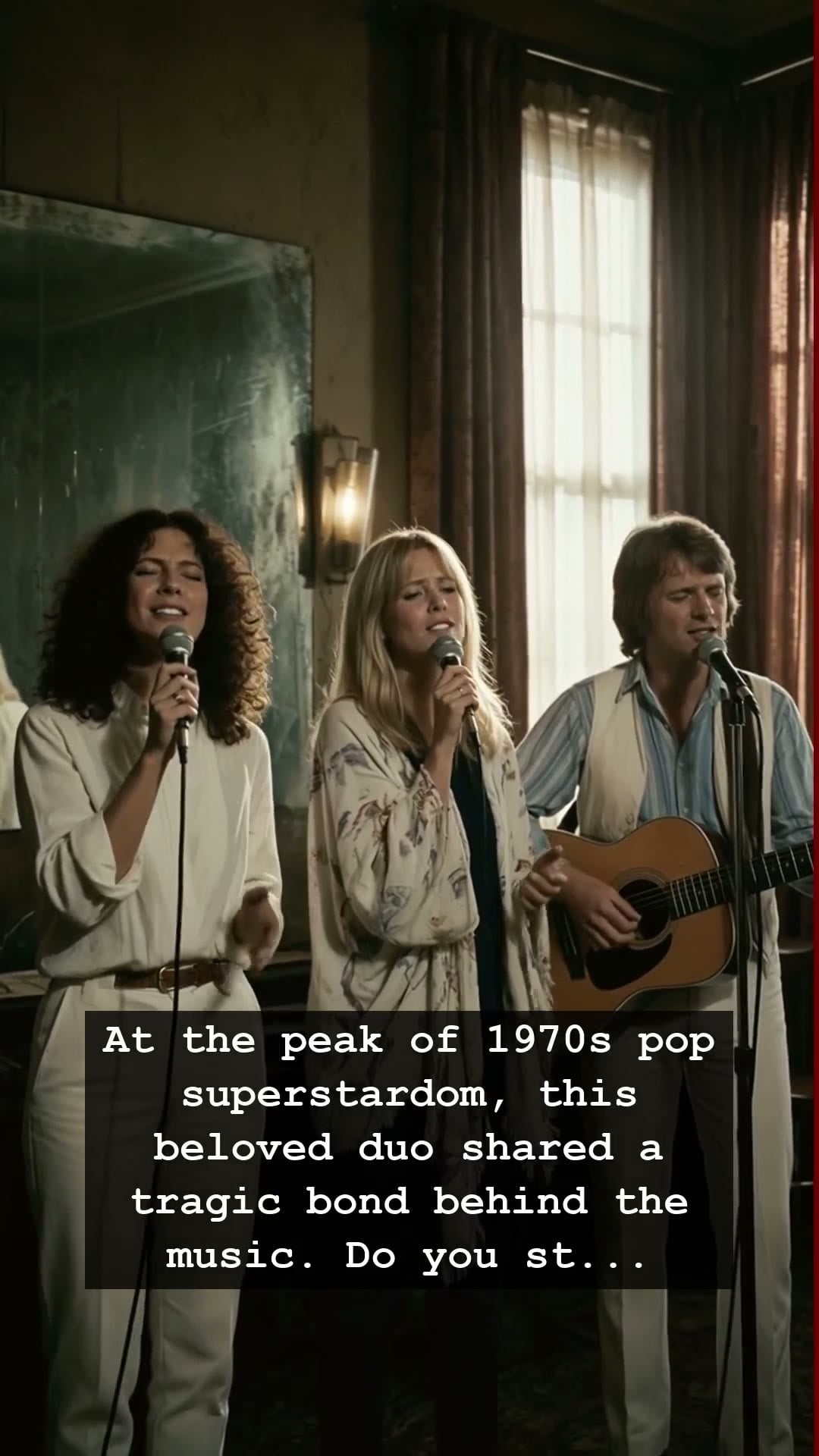
In the shimmering, glitter-drenched era of the late 1970s, disco was more than just a sound; it was a sanctuary where the world danced to escape its anxieties. Amidst the swirling lights of Studio 54 and the rhythmic pulse of the radio, two figures emerged as the golden prince and princess of pop: Andy Gibb and Olivia Newton-John. With their angelic features and voices that seemed tailor-made for stadium anthems, they appeared to have it all. Yet, beneath the veneer of perfectly styled hair and chart-topping success, their shared journey was defined by a haunting intimacy that most fans never fully understood.
Andy Gibb, the youngest brother of the Bee Gees, was the quintessential teen idol of the disco generation. His arrival on the scene was explosive, characterized by a meteoric rise that left him breathless and often unprepared for the crushing weight of fame. Olivia Newton-John, already an international sensation with a voice as clear as glass, became a grounding force for Andy. Their connection was instant, evolving from professional collaboration into a deeply personal, often turbulent bond that unfolded under the merciless glare of the global spotlight. To many, they were simply the pair who sang of romantic dreams, but to those close to them, it was a relationship marked by genuine affection and, eventually, profound sorrow.
The public saw the polished performances, the televised duets, and the smiles, but they remained oblivious to the internal battles consuming Andy Gibb. As the Walkman brought music into the private lives of fans everywhere, the contrast between the sunny melodies of these two icons and the darkness creeping into Andy’s private life became increasingly stark. His struggle with personal demons—the shadow of substance abuse that frequently claimed the brightest stars of that decade—created a tragic distance that even Olivia could not bridge. Their story serves as a visceral reminder of the fragility behind the fame that defined the 1970s, a time when being a superstar meant living on a precipice.
Olivia Newton-John remained a staunch supporter throughout the years, offering friendship and empathy while Andy navigated his professional decline and health struggles. Their last days together were not marked by the high-octane energy of a disco floor, but by a quiet desperation that mirrored the tragic end of many icons from that era. When Andy passed away at the young age of 30, it sent shockwaves through the industry, silencing one of the era’s most promising voices forever. For Olivia, it was the loss of a soul who had been deeply etched into the tapestry of her own career.
Decades later, their music continues to resonate with those who remember the sound of a generation looking for love on a dance floor. We listen to their songs today, hearing not just the polished production, but the echoes of a story that ended far too soon. Their legacy remains a bittersweet melody, a testament to the beautiful, devastating reality of being a star in a world that asks for everything and gives so little in return. As we look back, we do not just hear the hits; we hear the humanity behind them, forever frozen in the golden light of the 1970s.