
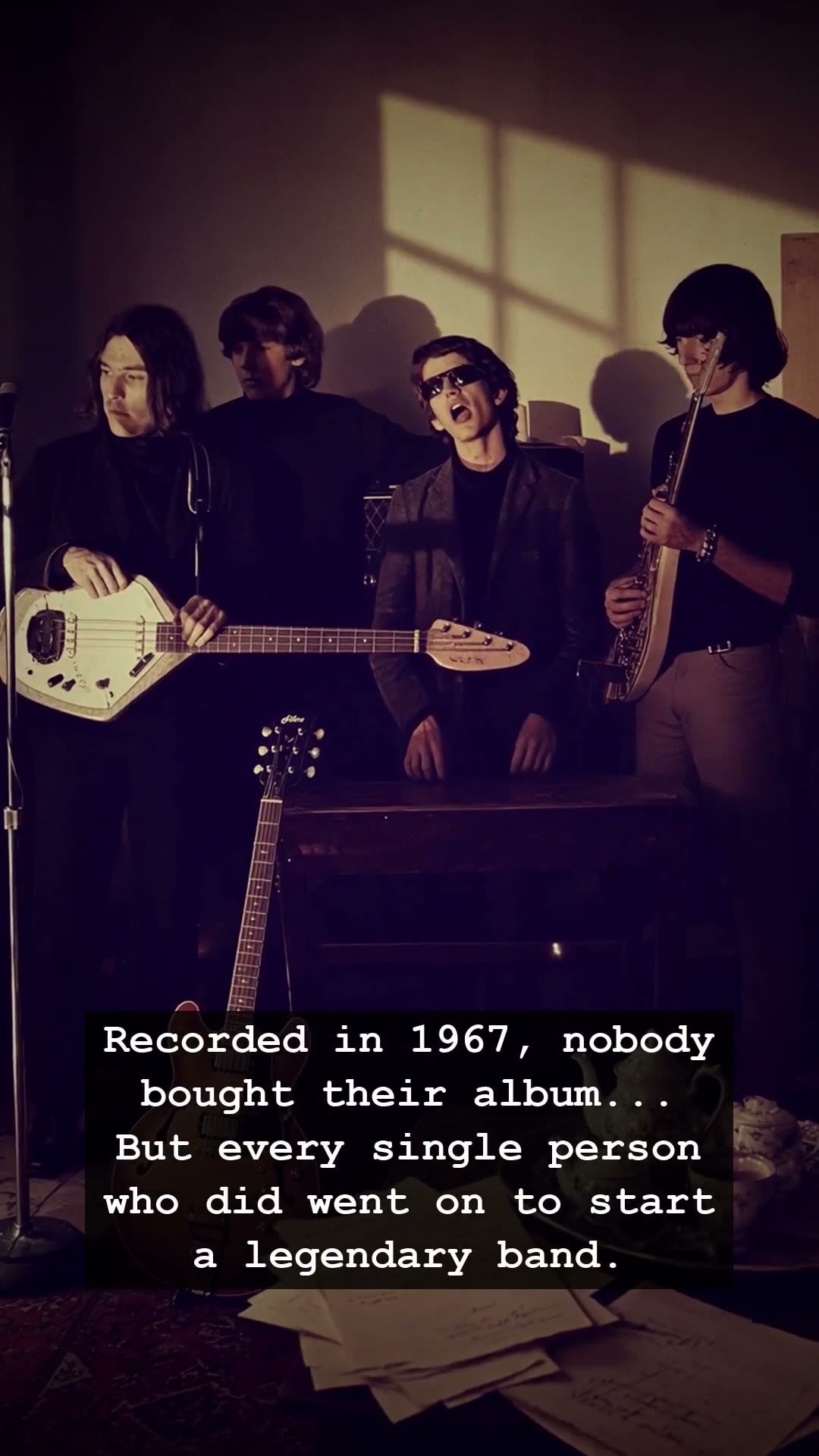
It is a cruel irony that history’s most influential art is often birthed in total silence. In 1967, The Velvet Underground released their debut album, The Velvet Underground & Nico. If you walked into a record store back then, you likely walked right past it. There were no flashing lights, no heavy radio rotation, and almost no sales to speak of. It was a commercial disaster that seemed destined for the bargain bin of history. Yet, Brian Eno famously remarked that while only a few thousand people bought that record, every single one of them went on to start a band. How does a ghost of an album manage to dismantle the foundation of rock and roll without ever charting?
The answer lies in the dark, cigarette-stained corners of Andy Warhol’s Factory. The Velvet Underground were not your typical sunshine-soaked hippie band of the late sixties. While the rest of the world was experimenting with flower power, Lou Reed and John Cale were obsessing over the grit of New York City life. They injected raw, taboo themes of addiction, street life, and existential despair into the pulsating rhythm of the era. They didn’t want to entertain the masses; they wanted to challenge the very concept of what music could be. Their sound was a dissonance of feedback and icy, detached vocals that felt like a cold shower in the middle of a psychedelic fever dream.
Looking back at that era, the band existed in a realm far removed from the polished glitz of Studio 54 or the stadium anthems that would soon define the seventies. They were the ultimate outsiders, crafting a sonic aesthetic that predated the raw energy of punk by a full decade. The Velvet Underground captured a specific kind of urban loneliness that resonated deeply with those who felt alienated by the mainstream culture of the time. When you listen to those tracks today, you can almost hear the hum of a flickering neon sign above a desolate street in the East Village.
What makes the legacy of The Velvet Underground so enduring is how they turned obscurity into a blueprint for creativity. By ignoring the pressures of commercial success, they gave future generations permission to be weird, dissonant, and brutally honest. Their influence ripples through the decades, touching everyone from the glam rockers of the seventies to the indie icons of the nineties. They proved that cultural impact is measured not in units sold, but in the permanent shift of the artistic landscape.
As you revisit your old vinyl records or spin an antique jukebox, remember that the quietest albums often hold the loudest revolutions. The Velvet Underground reminds us that being misunderstood is sometimes the highest form of achievement. They didn’t just record music; they created a myth that continues to whisper to every misfit with a guitar. The revolution they started in 1967 never really ended; it just keeps finding new ears to haunt.