
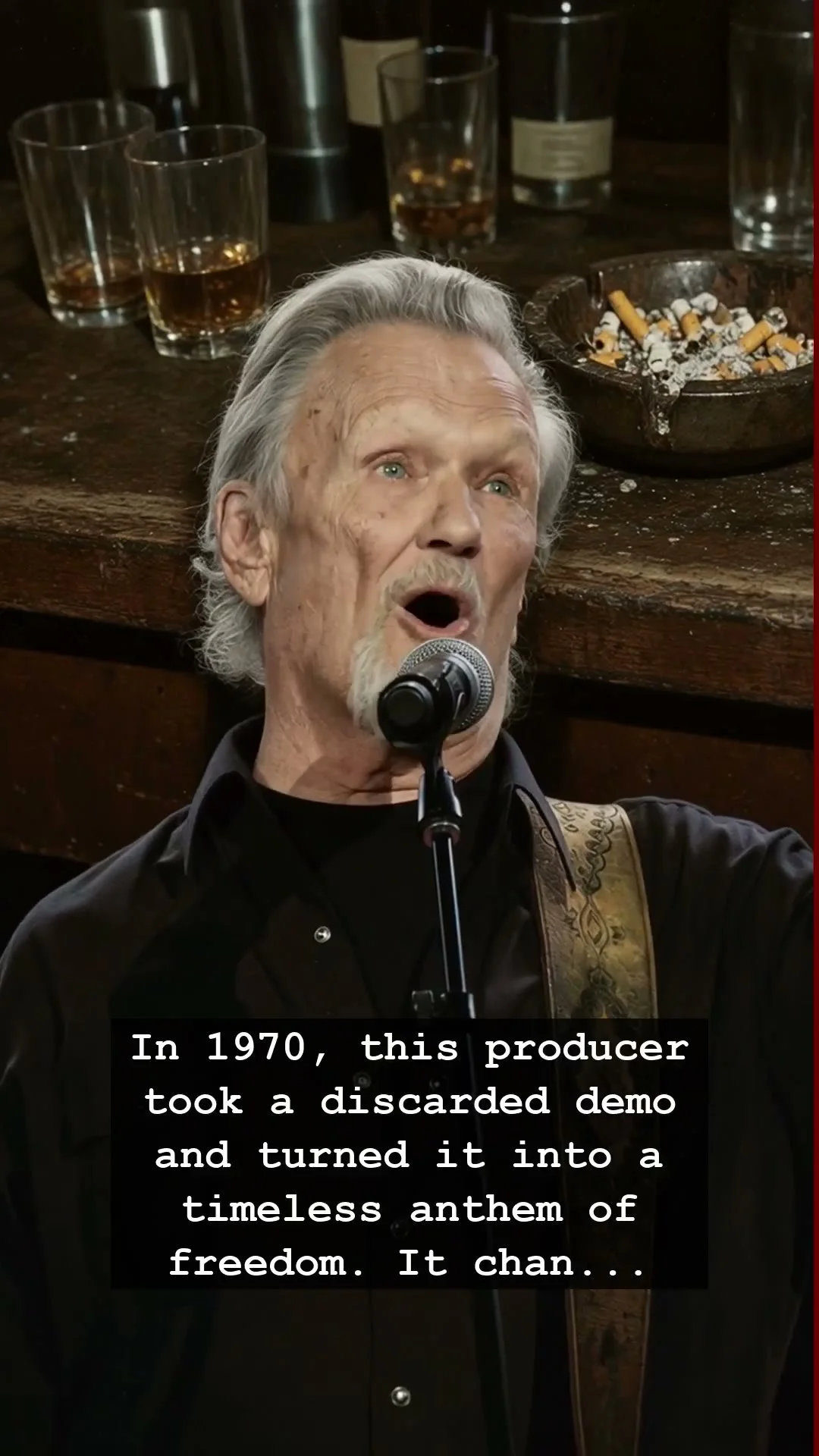
In the smoke-filled air of a Nashville studio in 1970, a discarded piece of paper sat on a desk, destined for the trash. The world was changing, transitioning from the psychedelic haze of the late sixties into a new decade marked by both cynicism and a desperate search for authenticity. Amidst this cultural crossroads, the legendary producer Fred Foster saw something in the raw, acoustic demo of a janitor-turned-songwriter named Kris Kristofferson. The song was Me and Bobby McGee, a wandering soul’s ballad that would soon define an entire generation’s yearning for freedom. It was not just a song; it was a manifesto for those who felt like outsiders in a rapidly industrializing America.
Fred Foster was known for his Midas touch in the music industry, having built the Monument Records empire with a keen ear for talent that others frequently ignored. When he encountered Kris Kristofferson, he didn’t just hear a melody; he heard the gravel of a life lived hard. Kristofferson was a Rhodes Scholar and an army pilot who chose the bohemian misery of Music Row over the stability of his pedigree. He was cleaning floors at the very studio where Foster worked, hoping for a break that felt perpetually out of reach. Foster’s decision to elevate this demo wasn’t just a business move; it was a gamble on the emotional truth that the emerging radio landscape of 1970 was beginning to crave.
As the track took shape, it captured the quintessential American road trip, a narrative of hitchhiking and heartbreak that echoed the themes of the Woodstock generation. The song traveled through the hum of jukeboxes across the country, becoming an anthem that transcended the boundaries of country and pop. Its success proved that the most powerful art often emerges from the deepest personal failures. Kris Kristofferson brought a literary depth to the lyrics, while Fred Foster polished the edges, ensuring the arrangement hit that elusive sweet spot between melancholic sorrow and triumphant liberation. It became a bridge between the lonely, flickering neon lights of the seventies and the collective consciousness of a youth movement ready to hit the open highway.
Decades later, the resonance of this collaboration remains undisturbed by the march of technology. Whether played through the original crackle of a vinyl record or the crisp digital fidelity of today, the story behind its creation remains a testament to the power of intuition. It reminds us of a time when songs were built on human fragility rather than algorithms. The partnership between a visionary producer and a struggling poet changed the landscape of music history, proving that one discarded demo could alter the heartbeat of a nation.
Today, when we listen to these chords, we aren’t just hearing a song; we are revisiting a pivotal moment in American culture. We are transported back to a time when freedom wasn’t just a word, but a dusty road under a summer sun. Take a moment to revisit the track and listen for the ghosts in the melody, and you will understand why this masterpiece still echoes in the halls of legends.