
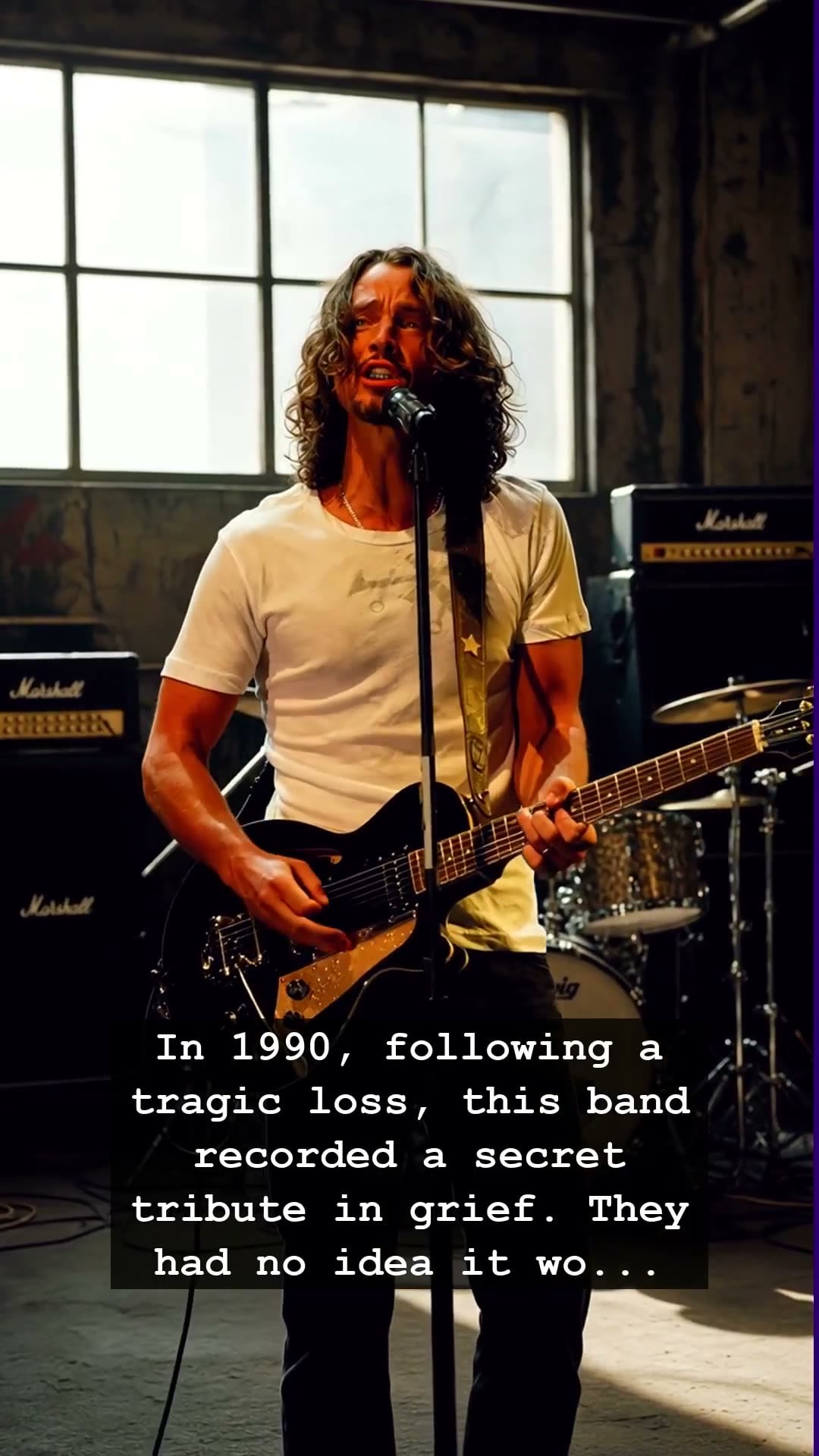
The year was 1990 in Seattle, a city shrouded in a permanent grey mist and the quiet hum of a burgeoning musical revolution. It began with an unimaginable void. Andrew Wood, the charismatic frontman of Mother Love Bone and a pivotal figure in the local scene, was gone, lost to a heroin overdose at the fragile age of twenty-four. For his roommate and close friend, Chris Cornell of Soundgarden, the world had abruptly stopped spinning. While the rest of the world was catching the tail end of the neon-soaked eighties, Seattle was mourning a brother, and out of that profound, suffocating grief, a secret tribute was born that would change rock history forever.
Cornell felt a desperate need to process his pain through the only medium he knew: music. He began writing songs that were not meant for the radio, nor for the burgeoning clubs of the Pacific Northwest, but for the soul of a friend who would never hear them. He reached out to Wood’s former bandmates, Stone Gossard and Jeff Ament, inviting them into the studio. Joined by Mike McCready and a young, relatively unknown singer named Eddie Vedder, this grieving collective formed the one-off project known as Temple of the Dog. At the time, they were just friends healing in a room, unaware that they were laying the bedrock for what would become the nineties grunge explosion.
Recording sessions for the self-titled album were raw and atmospheric, capturing a moment of genuine human vulnerability that mainstream rock had rarely seen. Tracks like Hunger Strike became haunting anthems of an era defined by flannel shirts, unwashed hair, and a deep-seated rejection of manufactured pop stardom. There was no pretense, no commercial calculation, and no desire for fame. They were simply musicians exorcising their demons in the studio, anchored by Cornell’s soaring, soulful vocal range and the gritty, distorted resonance of the nascent grunge sound that was about to take over MTV.
When the album was finally released, it didn’t just serve as a eulogy for Andrew Wood; it acted as the bridge that connected Soundgarden to the future members of Pearl Jam. It was the spark that ignited the bonfire of a cultural revolution. Fans who were discovering the raw honesty of the scene could hear the ghosts of the past in every note. Even today, listening to the interplay between Cornell and Vedder remains a visceral experience, a reminder of a time when music felt dangerous, personal, and profoundly real.
Decades later, the legend of Temple of the Dog continues to resonate, serving as a reminder that some of the greatest art is forged in the fires of personal tragedy. It stands as a testament to the power of friendship and the endurance of human connection in the face of sudden, senseless loss. As we look back at the Seattle scene, we are reminded that before the massive tours and the global fame, there was just a room full of grieving musicians trying to find their way home. Do you remember where you were when you first heard the echoes of that Seattle sound?