
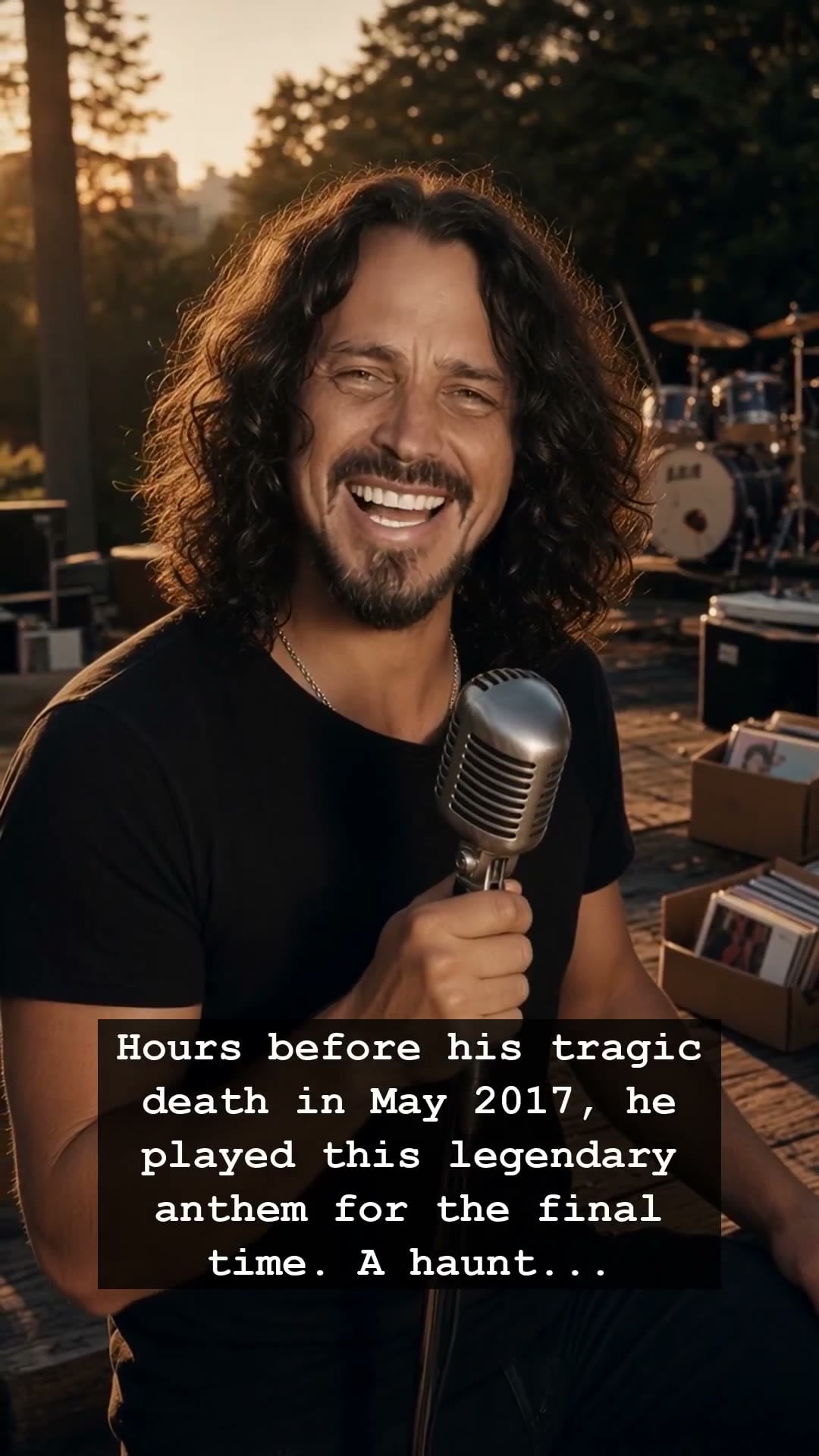
It was May 17, 2017, inside the Fox Theatre in Detroit. The air was thick with the raw, electrified energy that only a rock icon like Chris Cornell could conjure. He stood under the stage lights, his signature long hair framing a face that had weathered decades of the grunge movement and the evolution of American rock. Little did the thousands of screaming fans know, they were witnessing a ghost in the making. Hours later, the world would wake up to the devastating news that the voice of a generation had fallen silent. This was not just another concert; it was a haunting, final chapter for a man whose vocal range and emotional depth defined an entire era of alternative music.
As the band dove into the opening chords of ‘Slaves and Bulldozers,’ an anthemic staple of his repertoire, the audience felt the usual surge of adrenaline. Yet, looking back, there is an eerie, chilling resonance to that performance. Chris Cornell sang with a ferocity that seemed to reach toward the heavens, his voice cracking with a pain that felt all too real. It was the sound of a man purging his soul on a stage that had been his home since the explosion of the Seattle sound in the early nineties. Whether he was channeling the fury of Soundgarden or his introspective solo works, his presence remained a constant anchor in the turbulent sea of the music industry.
Throughout his career, Chris Cornell was more than just a frontman; he was a bridge between the grit of post-punk and the expansive, melodic complexity of mainstream rock. From the iconic grunge anthem ‘Black Hole Sun’ to his acoustic mastery on MTV Unplugged, he navigated fame with a vulnerability that rarely survived the harsh glare of the spotlight. Behind the legendary status and the stadium tours lay the weight of human fragility, a common thread among the tragic giants of the 1990s who helped shape our cultural landscape long before the digital age of streaming took hold.
We often look back at these moments through the lens of nostalgia, wondering how we missed the signs or if the artist was telling us something we simply weren’t ready to hear. That night in Detroit, he wove the lyrics of Lead Belly’s ‘In My Time of Dying’ into the set, a choice that remains deeply unsettling to those who study his final movements. It was a poetic, if somber, bookend to a life lived in the extremes of the rock and roll lifestyle. It serves as a stark reminder of the dark side of stardom, where the pressure to perform often masked the inner battles that even our greatest idols could not overcome.
Today, when we spin his records or catch a flickering clip of that final performance, we are reminded of the power of a voice that could both scream with rage and whisper with profound tenderness. Chris Cornell left behind a legacy that continues to echo in the halls of rock history, transcending the boundaries of time and memory. He remains an essential figure in our collective musical consciousness, a beacon for those who find solace in the raw honesty of American rock. While the man is gone, the music endures as a timeless testament to a life lived loudly, leaving us to wonder what other beautiful melodies might have been had he stayed just a little while longer.