
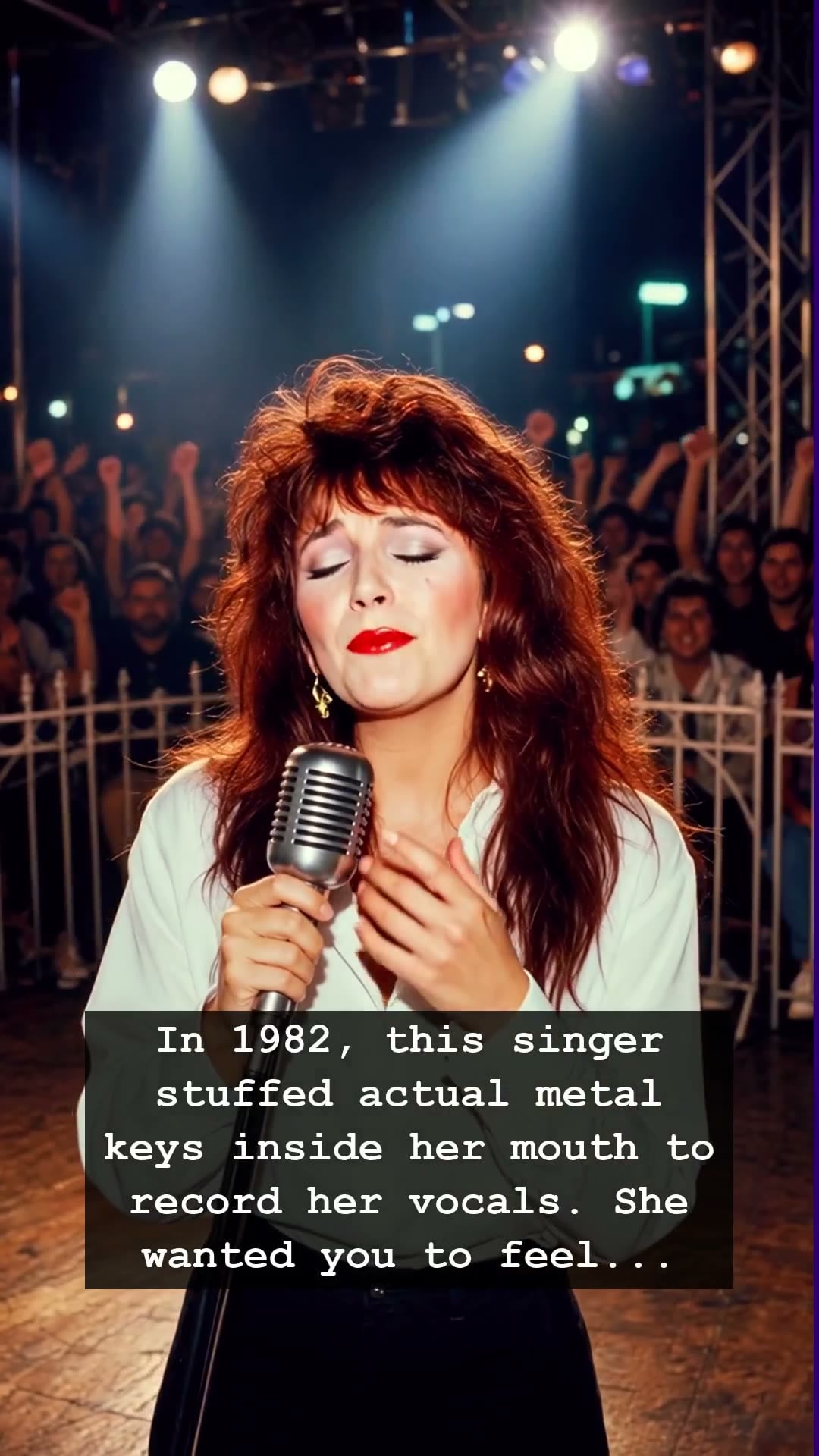
It was 1982, a year defined by the cold glow of the early MTV era and the synthetic pulse of the burgeoning New Romantic scene. While the charts were crowded with neon-soaked pop stars, one woman was hiding in the shadows of a recording booth, preparing to push the boundaries of human sound. Kate Bush, the ethereal visionary of art-pop, was crafting the haunting escape anthem The Dreaming. To capture the raw, visceral sensation of drowning and the suffocating panic of a desperate soul, she did the unthinkable: she stuffed actual metal keys into her mouth to record her vocals. It was a bizarre, dangerous, and deeply committed act that sought to transmit a specific, claustrophobic dread directly into the listener’s nervous system.
The Dreaming remains a testament to the uncompromising nature of Kate Bush as an artist. At a time when the music industry was obsessed with the shiny, polished surfaces of radio-friendly synth-pop, Kate Bush chose to explore the dark, jagged edges of the psyche. By placing those cold, hard keys between her teeth, she wasn’t just performing; she was physically altering her speech patterns and breath control to mimic the gasping, fractured reality of someone struggling for air. It was a moment of sonic theater that few of her peers would ever dare to attempt, transforming a simple recording session into an immersive, harrowing experience of auditory survival.
Looking back at the landscape of the eighties, it is easy to forget how radical this approach felt. We lived in a world where the Walkman had revolutionized our relationship with music, turning every commute or quiet moment into a private film score. When we played the cassettes of Kate Bush, we were transported into her private, often eccentric universe. Her dedication to the craft went far beyond melodies; it was about textures, atmosphere, and the kind of psychological weight that could stop a listener in their tracks. The decision to use metal keys was not a gimmick, but a commitment to the truth of the narrative she was building within the song.
Even decades later, this anecdote resonates because it highlights the disappearing bridge between the artist and the audience. Today, digital manipulation can simulate almost any sound, yet the authenticity of a human voice vibrating against metal in a dimly lit studio remains unmatched. Kate Bush managed to turn a claustrophobic nightmare into a work of art that feels as urgent today as it did when it first hit the airwaves. It serves as a reminder of an era where musicians were willing to literally suffer for their vision, creating echoes that would vibrate through the decades to come.
As you revisit the discography of Kate Bush, listen closely to those breaths and the frantic, rhythmic delivery of her lyrics. You might just hear the faint, metallic clinking of history hiding in the background. It is a chilling reminder of the lengths to which a true artist will go to ensure we do not just hear their music, but feel every ounce of their terror and their triumph. Do you still remember the first time this sound sent a shiver down your spine?