
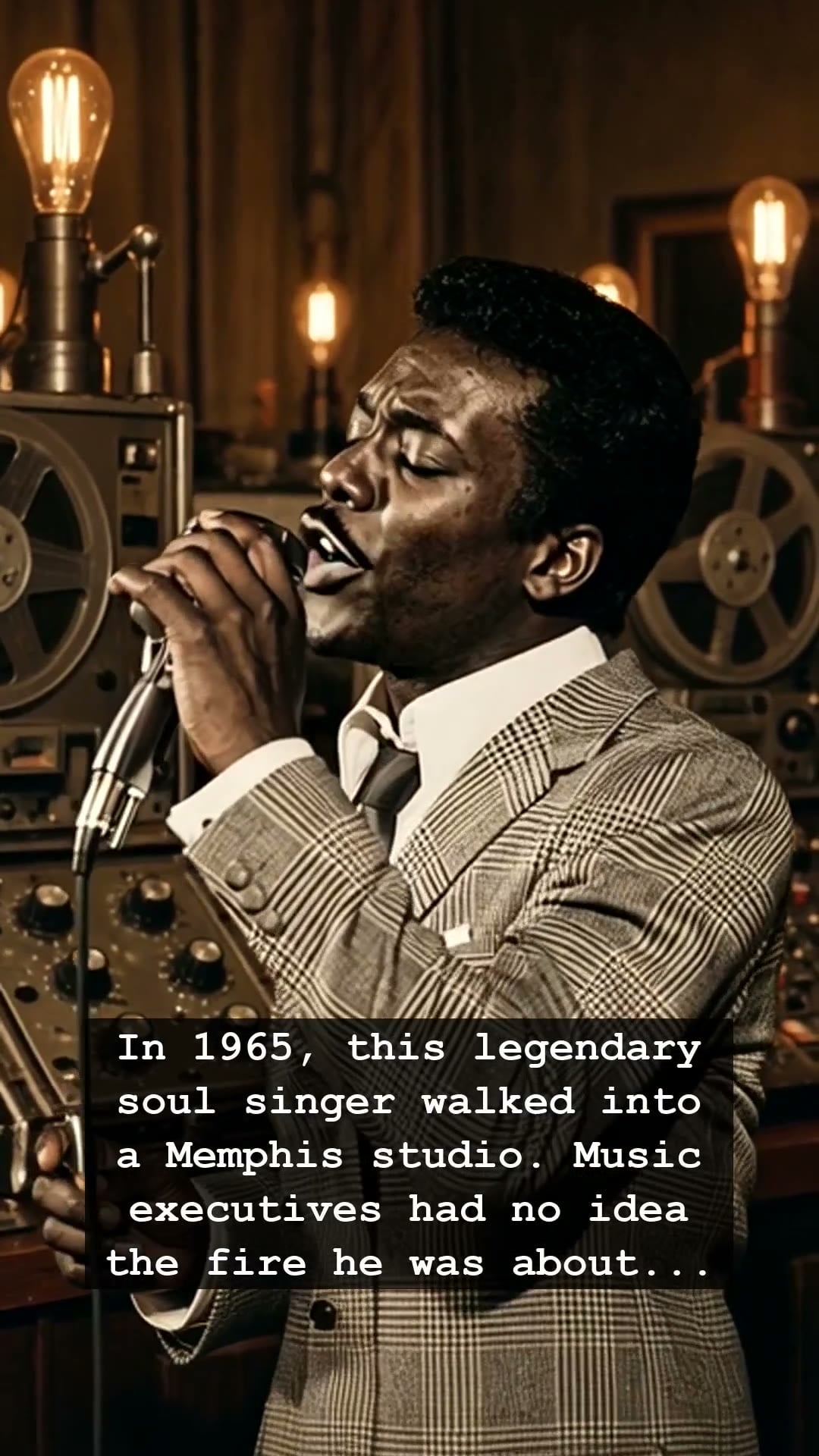
The year was 1965. The air in the Stax recording studio in Memphis was thick with the scent of cheap cigarettes, sweat, and the electric tension of creative desperation. Wilson Pickett, a man with a voice like gravel grinding against velvet, had walked through the doors looking for a hit, but he found something far more dangerous instead. Behind the glass, legendary Atlantic Records producer Jerry Wexler watched in disbelief. He knew immediately that the sound erupting from the studio floor wasn’t just another rhythm and blues track; it was a seismic shift in the American musical landscape that would define an entire generation of soul.
Wilson Pickett was a force of nature, a singer who didn’t just perform songs—he held them hostage until they submitted to his raw, gospel-honed intensity. Before that fateful session, the R&B scene was still navigating the polite constraints of earlier doo-wop traditions. But when the band began to play that iconic, delayed backbeat—a rhythmic stutter inspired by the movements of dancers at the time—Wilson Pickett channeled a primal energy that shattered the status quo. This was the birth of In the Midnight Hour, a track so blistering that it felt as if it had been forged in the white-hot heat of a southern summer night.
To understand the magnitude of this moment, you have to picture the era. The Jukebox was the heartbeat of every neighborhood diner, and the radio was the primary portal to a world on the brink of cultural revolution. Wilson Pickett brought a street-level grit that resonated with the restless youth of the mid-sixties. He wasn’t interested in polish; he was interested in the truth of human desire. As he belted out the lyrics, the studio engineers realized they were witnessing lightning in a bottle. The resulting sound bridged the gap between the sanctified halls of church music and the liberated atmosphere of the nightclub, effectively inventing the modern soul anthem.
Yet, the glory of that day in Memphis belies the shadows that often followed Wilson Pickett. The life of a soul pioneer was paved with the same jagged stones as his peers: long tours, the crushing weight of labels, and the relentless pressure to remain relevant. Behind the swagger and the screaming microphones, the music industry was a cutthroat environment where many talented souls were burned by the very fire they helped ignite. Wilson Pickett lived through the highs of chart-topping success and the lows of a changing industry, yet his contribution to the fabric of soul remains undeniably untarnished by the passage of time.
Today, when you drop the needle on a vintage vinyl, the legacy of Wilson Pickett still jumps out of the speakers with the same ferocity it possessed in 1965. His influence echoes through the decades, from the arena rock giants who borrowed his intensity to the modern artists still trying to replicate that legendary Memphis groove. He was a pioneer who taught us that if you have enough fire in your belly, you can change the world one beat at a time. The next time you hear that distinct, driving rhythm, remember the man who walked into a studio a singer and walked out a legend.