
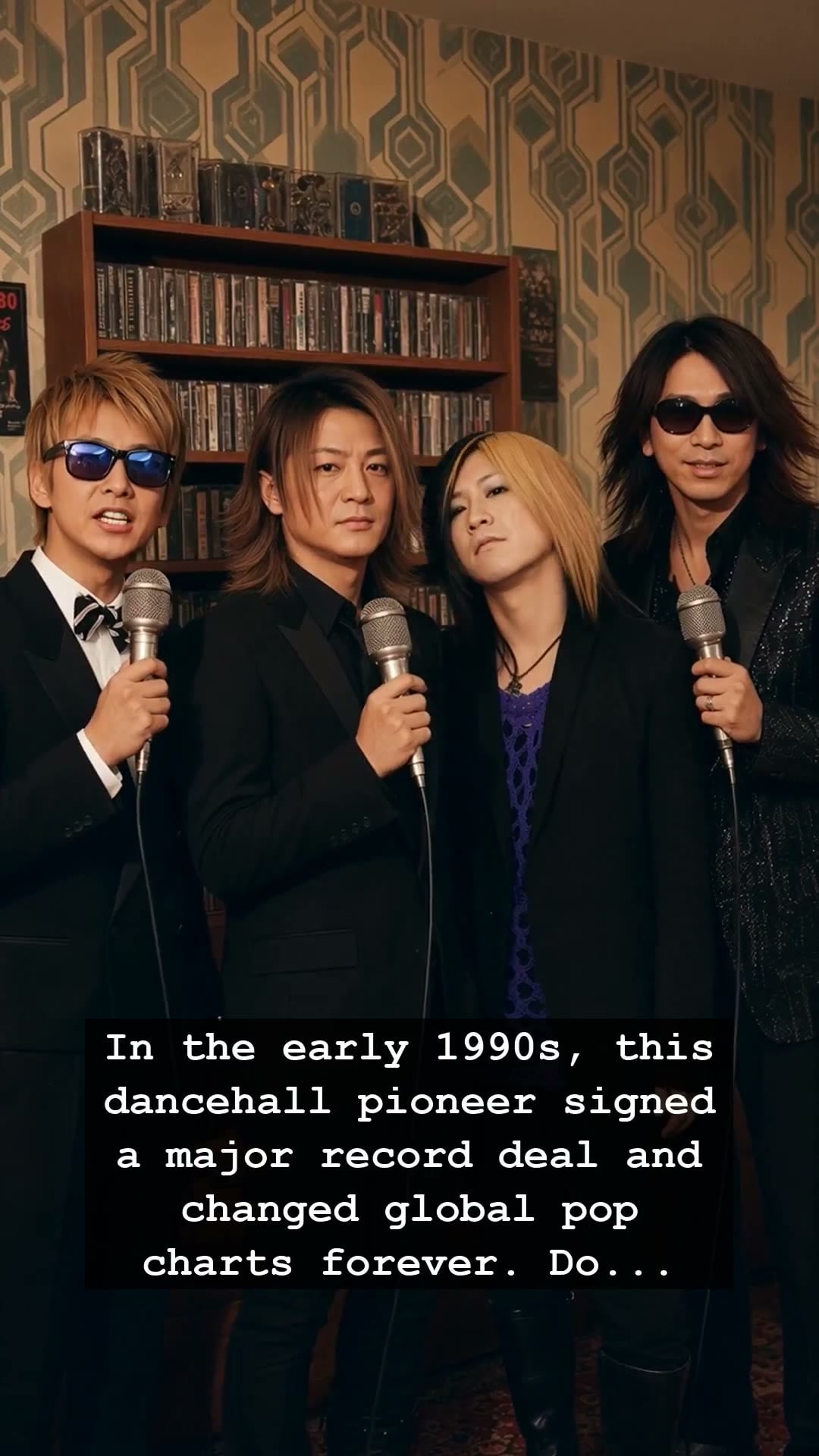
The year was 1992, and the airwaves were dominated by the polished synths of pop and the emerging grit of grunge. Yet, in the humid, electric underground of New York City, something seismic was shifting. It was a moment that redefined the global soundscape, transforming the raw, rhythmic pulse of Jamaican dancehall into a mainstream force that could no longer be ignored. At the heart of this revolution were two names that would etch themselves into music history: Super Cat and Shaggy. Long before the genre became a staple of modern radio, these pioneers were breaking through the concrete walls of the industry, fueled by nothing but undeniable talent and a defiant, infectious rhythm.
Super Cat, the ‘Wild Apache’ of the dancehall scene, was already a legend in his own right, known for his gravelly voice and sharp, narrative lyrics that painted vivid pictures of life in the streets. When he signed his landmark deal with Columbia Records, it felt like the impossible had finally occurred. He brought the authentic spirit of the Kingston dancehalls to the global stage, proving that the world was hungry for the unfiltered energy of the islands. This wasn’t just a record contract; it was the shattering of a glass ceiling that had kept Jamaican artists relegated to the shadows for far too long.
Then came Shaggy, the charismatic force who took that momentum and sprinted toward superstardom. With his signature deep, melodic baritone and a pop sensibility that felt effortless, he became the bridge between traditional dancehall and the mainstream listener. The era of the Walkman and the burgeoning influence of MTV became their stage, and they didn’t just walk on it—they commanded it. Watching Super Cat and Shaggy collaborate on tracks was like witnessing a collision of two creative worlds that were always meant to ignite, turning niche basement sessions into massive, crossover anthems that lived on the Jukeboxes of every bar from London to Los Angeles.
Behind the success, however, lay the grind of a difficult industry. The path for Super Cat and Shaggy was never paved with gold; it was built on late-night studio sessions and the relentless pressure to maintain artistic integrity while feeding the beast of commercial popularity. They faced skepticism from traditionalists and corporate suits alike, yet their influence persisted. They brought the dancehall aesthetic—the slang, the heavy basslines, and the unstoppable dance rhythms—directly into the hearts of suburban households, forever altering how we perceive global music charts.
Today, when you hear the echo of a syncopated beat in a modern pop song, you are hearing the lingering legacy of Super Cat and Shaggy. They didn’t just have hits; they built a bridge that countless artists would cross for the next thirty years. Their story serves as a nostalgic reminder of a time when the world felt a little smaller, when a single song could unify us, and when pioneers were brave enough to bring their own unique sound into the spotlight. Do you remember the first time those infectious beats hit your speakers?