
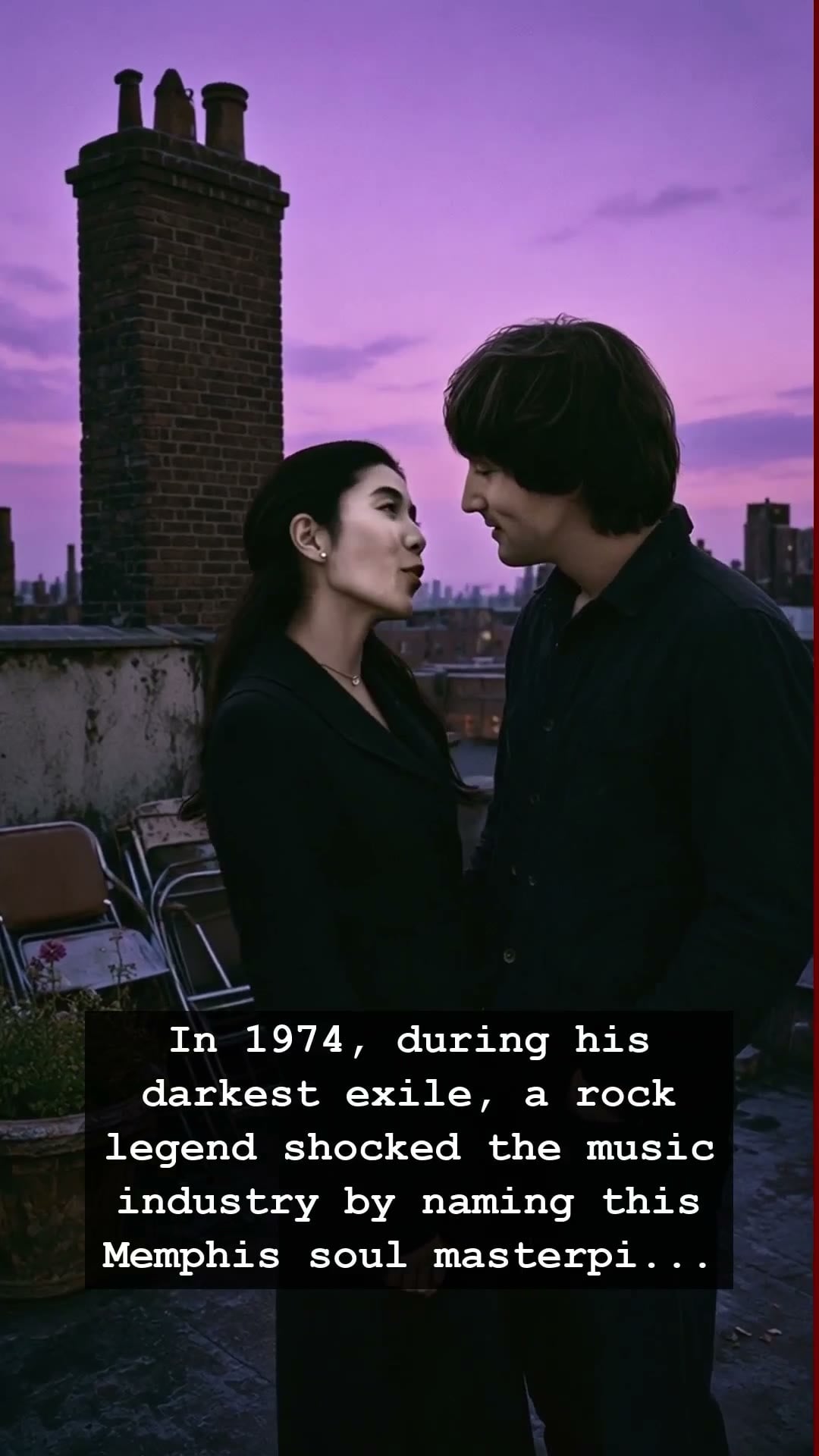
It was 1974, the height of the glam rock and stadium era, and John Lennon was navigating what he famously called his Lost Weekend. Exiled in Los Angeles, stripped of his Beatles identity and grappling with the isolation of a fractured personal life, the man who shaped the sixties was searching for something real. In an interview with Billboard that sent ripples through the music industry, John Lennon did the unthinkable. He bypassed the complex arrangements of his own legendary catalogue and instead pointed to a raw, hypnotic Memphis soul record as the greatest piece of music ever pressed onto vinyl. That track was Al Green’s Take Me to the River.
At a time when the world was obsessed with the flash of disco and the burgeoning spectacle of Arena Rock, Lennon’s endorsement felt like a jarring, authentic jolt. While others were distracted by the neon lights of Studio 54 or the high-gloss production values beginning to dominate the charts, Lennon was listening to the grit and the groove. He saw through the artifice of the music business, finding solace in the swampy, gospel-infused cadence of Green’s masterpiece. For a generation of fans, it was a reminder that even at the summit of global fame, the soul of rock and roll remained tethered to the heartbeat of the American South.
The song itself, with its pulsating bass line and Green’s signature falsetto, captured the essence of the mid-seventies better than any polished radio hit. It carried the weight of history—a blend of Memphis soul, blues, and a kind of spiritual longing that defined the era. When John Lennon spoke, the industry listened, and his championing of this record helped bridge the gap between the rock intelligentsia and the rhythm and blues scene. It was a moment of profound artistic connection that felt both intimate and revolutionary, a brief window into the inner world of a man who was as much a fan as he was an icon.
Looking back, this endorsement serves as a time capsule of a transitional moment in music history. The Walkman was still a few years away from turning every teenager into a walking jukebox, and the raw emotion of vinyl was the only way to truly experience the tension of the decade. John Lennon was living through his own personal turbulence, yet he found a way to center himself through the simplicity of a perfect beat. The fact that he gravitated toward such a soulful, deeply human sound reveals the vulnerability he carried during those quiet, desperate years in his California exile.
Today, the resonance of that moment remains undimmed. We return to these records not just for the nostalgia, but because they carry the imprint of the people who loved them most. John Lennon taught us that the greatest art doesn’t always come from the biggest stages; sometimes, it’s found in the dark, honest corners of a soul record that refuses to be ignored. Next time you pull a classic disc from your shelf, take a moment to listen closely to the rhythm, and remember the man who found his own peace in the currents of a Memphis river.