
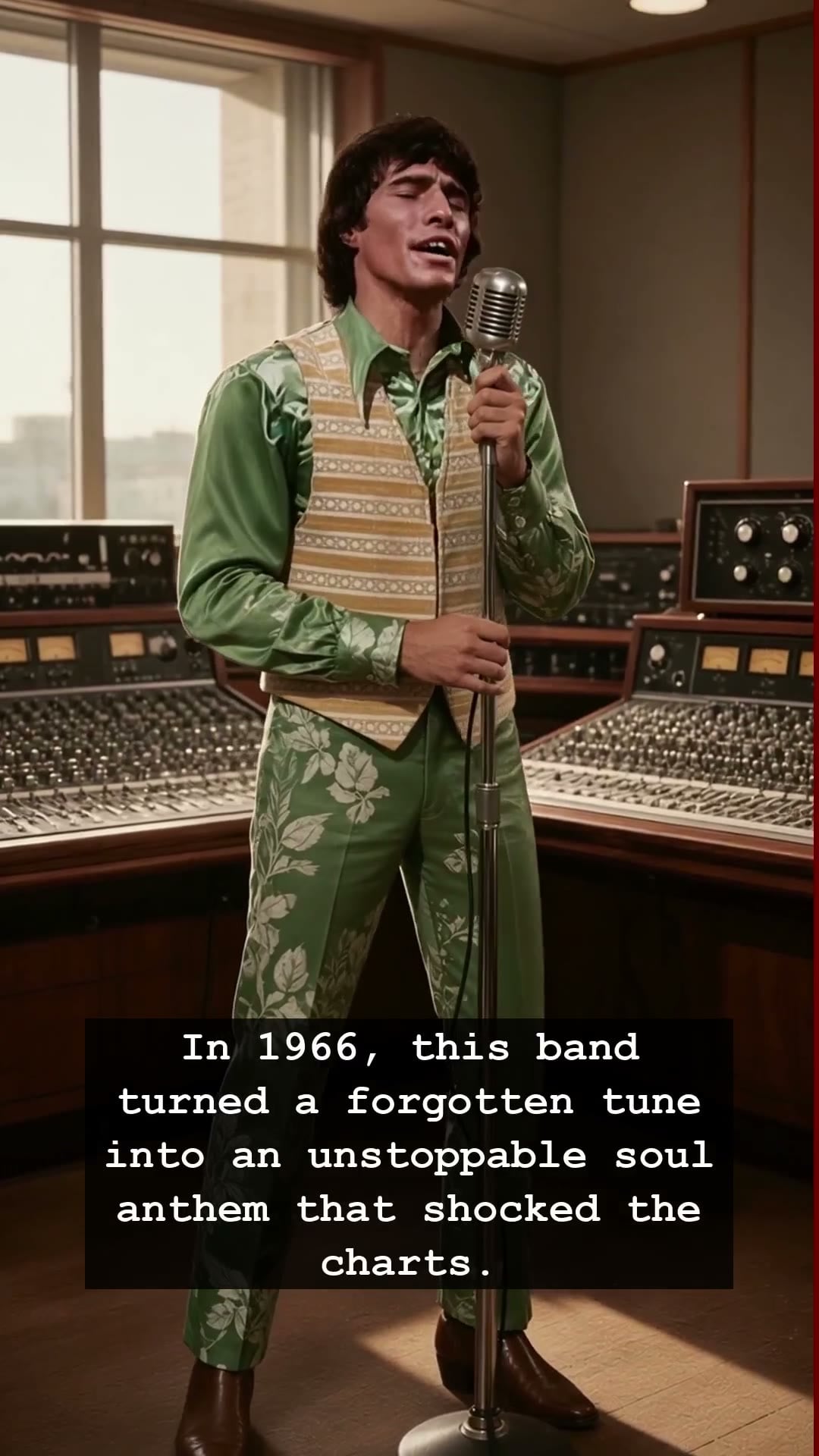
It was 1966, a year where the airwaves were crowded with the shimmer of the British Invasion and the growing hum of counterculture. Amidst this sonic revolution, a group of four gritty musicians from New Jersey, known as The Young Rascals, walked into the studio with a plan that seemed like musical heresy. They took an obscure, forgotten novelty tune and injected it with a blistering garage-soul energy that would soon rattle the speakers of every jukebox across the country. They did not just cover a song; they seized it, stripped it of its innocence, and transformed it into a masterpiece that would define the blue-eyed soul movement forever.
The Young Rascals were more than just a band; they were a raw collision of personalities. Felix Cavaliere, Eddie Brigati, Gene Cornish, and Dino Danelli possessed an intensity that felt far more dangerous than the clean-cut pop stars of the era. Their breakout hit, Good Lovin’, was the catalyst that changed everything. While the original version was a mild, forgotten affair, The Young Rascals breathed fire into the track. The driving organ riffs and the relentless, pounding rhythm captured the exact heartbeat of a generation caught between the remnants of the early sixties and the impending chaos of the psychedelic era. When it hit the airwaves, the industry was left reeling, stunned by the sheer, unadulterated power these men wielded.
Behind the scenes, the story was rarely as polished as the final vinyl pressing. The music industry in the mid-sixties was a high-stakes casino, and The Young Rascals were betting everything on their unique sound. The pressure to follow up their success was immense, leading to internal fractures that would eventually mirror the turbulent spirit of the times. Their journey was not merely about hit records; it was about the dark, demanding hunger of fame and the toll it took on their brotherhood. The studio became their sanctuary and their battlefield, a place where egos clashed as often as their musical arrangements came together.
Think back to the crackle of a radio inside a muscle car or the humid heat of a local dance hall where the sound of the Hammond organ cut through the haze. The Young Rascals tapped into a primal energy that defined the American experience during that fleeting, golden window of time. They were the bridge between the innocence of the sock-hop and the grit of the late-sixties transition. Their music carried the weight of the city streets and the yearning of a thousand broken hearts, wrapped in a rhythm that made it impossible to stay still.
Even today, the legacy of The Young Rascals remains a testament to the transformative power of soul. When that unmistakable organ swell hits, it transports us back to a world of analog warmth and honest performance. They remind us that the best music is often born from the friction between a forgotten past and a desperate need to be heard. Do you still remember that rhythm? It is a sound that refuses to fade, echoing through the decades as a reminder of when music truly felt like it could change the world.