
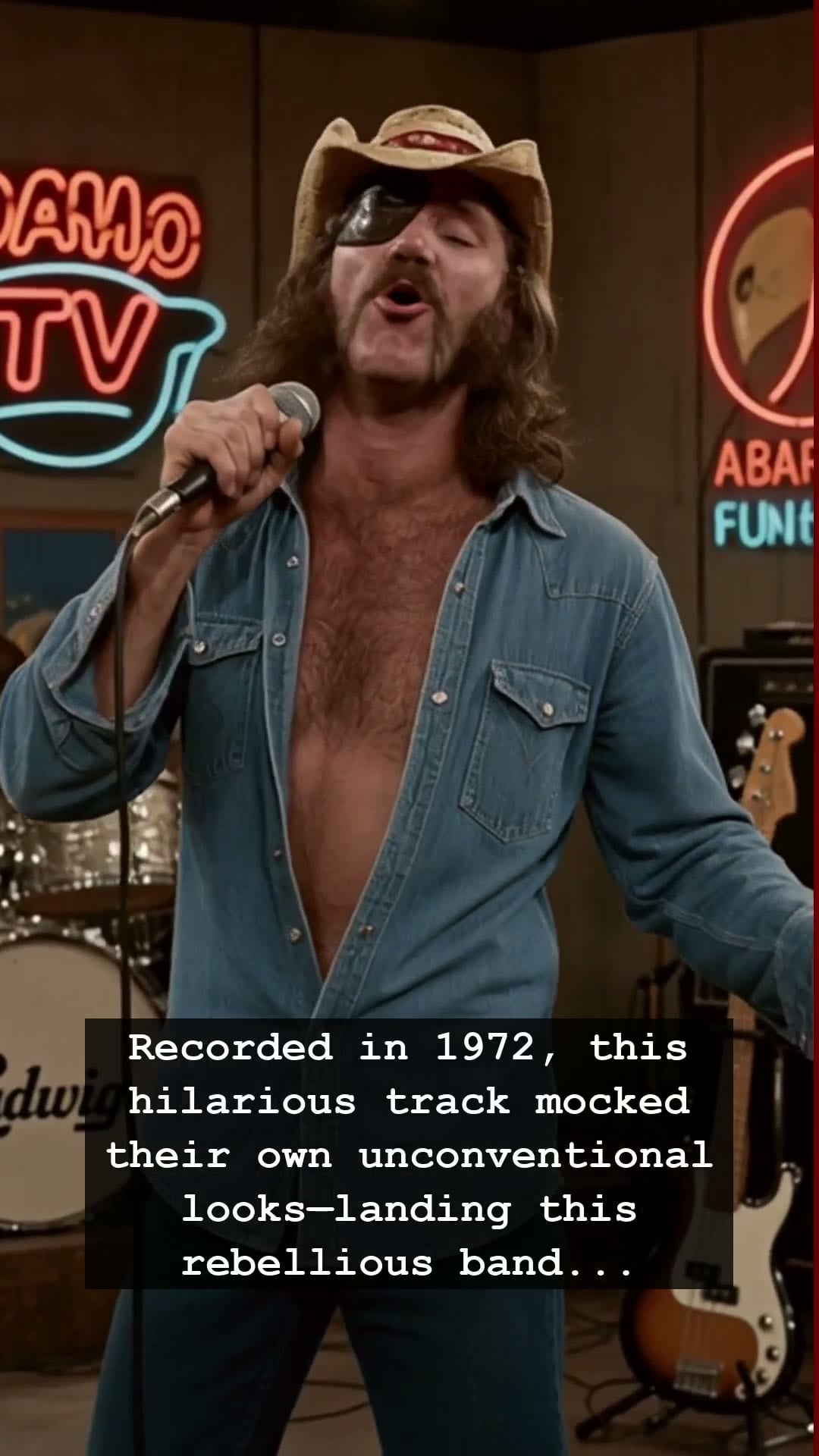
It is 1972, and the airwaves are flooded with the smooth sounds of AM radio. Amidst the polished pop stars and the calculated personas of the era, one band dared to lean into their own perceived ugliness to chase the dream of stardom. That band was Dr. Hook and the Medicine Show, a group of self-proclaimed outcasts who didn’t fit the mold of the typical rock gods gracing the posters in every teenager’s bedroom. They decided that if they couldn’t be the prettiest faces on the block, they would be the most honest ones. They channeled that frustration into a song that would become a cult classic, mocking their own desperation for fame and the cutthroat nature of the music industry.
The song, appropriately titled The Cover of Rolling Stone, was a satirical jab at the very industry that held the keys to their success. Shel Silverstein, the eccentric poet and songwriter who penned the track, perfectly captured the irony of a band begging to be featured on the cover of a magazine that, at the time, was the ultimate arbiter of cool. For those who remember the sound of the jukebox in a dimly lit diner or the scratchy warmth of a vinyl record spinning on a Sunday afternoon, this song hits a nostalgic nerve. It represents a time when rock music was less about pristine production and more about the raw, unfiltered personalities behind the microphones.
Dr. Hook and the Medicine Show were essentially playing a high-stakes game of cultural poker. They took their unconventional looks and their lack of mainstream polish and weaponized them. When the song began climbing the charts, the band members found themselves in a surreal position. Their satirical plea for validation became so popular that the magazine they were mocking had no choice but to acknowledge them. In a twist of fate that feels scripted for a classic rock documentary, the band actually landed on the cover of Rolling Stone. It was the ultimate ‘I told you so’ moment, proving that in the wild landscape of the seventies, authenticity—or at least the bold performance of it—could conquer even the most elitist media outlets.
Looking back at the golden age of the seventies, it is easy to forget how much pressure there was to conform. While disco was simmering at Studio 54 and arena rock was beginning to fill massive stadiums, Dr. Hook managed to carve out a unique space by refusing to take the rock star lifestyle too seriously. Their legacy is a reminder that the music business has always been a strange, beautiful, and often absurd machine. They brought a sense of humor to a scene that was becoming increasingly self-important, and for that, they remain an essential part of the tapestry of rock and roll.
Today, when you hear those opening chords, you are instantly transported back to a time of worn-out denim, cigarette smoke, and the golden glow of analog radio. The story of Dr. Hook is more than just a footnote in history; it is a testament to the fact that sometimes the best way to make it to the top is to laugh at the very idea of getting there. It makes you wonder, in our modern era of curated perfection, is there still room for a band as delightfully raw as they were?